While inflammation is a beneficial defense mechanism, it needs to be controlled. How can anti-inflammatory medications be used safely and effectively while minimizing side effects?
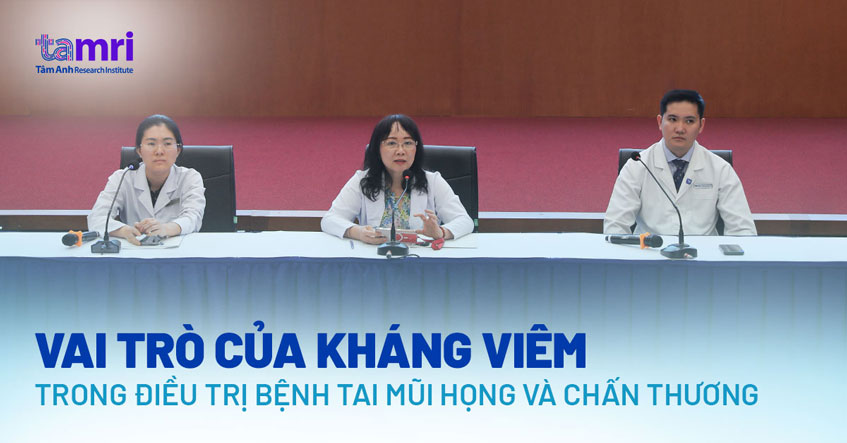
That was the topic presented, shared, and discussed at the scientific workshop, “The Role of Anti-Inflammatory Medications in the Treatment of Ear, Nose, and Throat (ENT) Diseases and Trauma”, held on February 28, 2025.
The workshop was organized by the Tam Anh Research Institute (TAMRI) in collaboration with the Ear, Nose, and Throat Center and the Orthopedic Trauma Center of Tam Anh HCMC General Hospital. The workshop also attracted the participation of many experienced specialists and doctors from various departments within the hospital.
Prof. Tran Phan Chung Thuy, PhD, MD, Medical Consultant of the ENT Center and also chair of the workshop, raised the following point in her opening remarks: “Inflammation is a beneficial defense mechanism for the body, but it can also be harmful. ENT and Orthopedic Trauma are two specialties combining internal and surgical medicine; the use of anti-inflammatory drugs in treatment is essential, especially after trauma and surgery. Therefore, the choice of anti-inflammatory medication is crucial to ensure safety and efficacy and minimize side effects for patients. This also allows doctors to treat patients with greater confidence”.
Prof. Tran Phan Chung Thuy, PhD, MD, Medical Consultant of the Ear, Nose, and Throat Center, and chair of the scientific workshop, discussing the role of anti-inflammatory medications in the treatment of ENT diseases and orthopedic trauma. Photo: Tam Anh General Hospital.
Timing is Key
Presenting on the topic, “Efficacy and Safety of Enzymatic Anti-inflammatory Medications in the Treatment of Ear, Nose, and Throat Diseases”, Dr. Pham Thi Phuong, MSc, Level-1 Specialist in Ear, Nose and Throat, from the ENT Center, listed common ENT diseases in children, including acute tonsillitis, adenoiditis, and acute otitis media; and in adults, including allergic rhinitis, acute sinusitis, and acute laryngitis. Dr. Phuong also illustrated with endoscopic images of these conditions, showing the congestion, edema, obstruction, and discharge characteristic of inflammation.
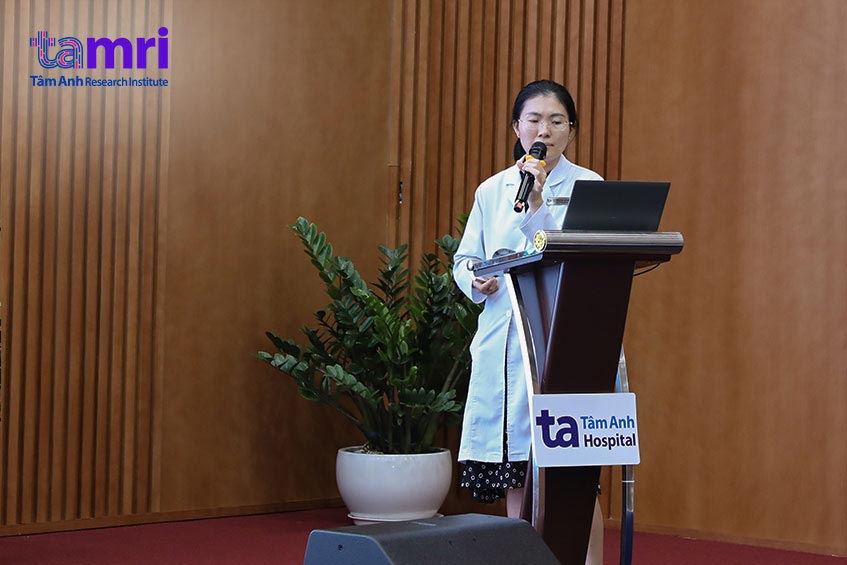
Dr. Pham Thi Phuong, MSc, Level-1 Specialist from the ENT Center, presenting on the topic: “Efficacy and Safety of Ezynmatic Anti-inflammatory Medications in the Treatment of Ear, Nose, and Throat Diseases”.
“Inflammation is a biological response triggered by a stimulus; it’s an unavoidable process, even if it causes some unpleasant reactions. It is the body’s attempt to defend itself by eliminating harmful agents and facilitating healing. However, prolonged inflammation can lead to chronic inflammation and various disorders”, Dr. Phuong explained.
The symptoms of an inflammatory response in a healthy individual involve inflammation being activated to clear pathogens, initiating the “repair” process, and then concluding. Beneficial effects of inflammation include diluting toxins, delivering antibodies, fibrin formation, delivering oxygen and nutrients, and stimulating an immune response. However, harmful effects include sustained cytokine release, tissue damage, swelling, and abnormal inflammation.
Dr. Phuong emphasized, “Inflammation is a beneficial response; suppressing it prematurely prevents tissue regeneration and prolongs healing. Therefore, intervention and the use of anti-inflammatory medication must be precisely timed”. Key considerations in treating ENT diseases include addressing obstructions and clearing drainage pathways, weighing the efficacy and side effects of anti-inflammatory drugs, using necessary antibiotics appropriately, and employing local treatments to eliminate inflammatory agents.
Dr. Phuong analyzed the benefits and drawbacks of 3 types of anti-inflammatory medications used in the treatment of ENT diseases: steroid-containing anti-inflammatory drugs (also known as glucocorticoids or corticosteroids), non-steroidal anti-inflammatory drugs (NSAIDs), and enzyme-based anti-inflammatory medications.
Steroid-containing anti-inflammatory drugs help reduce both inflammation and tissue regeneration cells, but side effects include weakened immunity, high blood sugar, thinning skin, easy bruising, low calcium levels, osteoporosis, weight gain from increased fat storage in organs and body, increased appetite, high blood cortisol levels, and adrenal insufficiency with prolonged use. They can also cause decreased memory and concentration, muscle wasting, and lipomas. Use should be carefully considered in patients with adrenal insufficiency or Cushing’s syndrome. Non-steroidal anti-inflammatory drugs (NSAIDs) reduce fever and pain, but side effects include bleeding disorders, kidney failure, and stomach ulcers.
Enzyme-based anti-inflammatory drugs work by directly affecting small blood clots and fibrin formation, lysing fibrin, and clearing blocked blood vessels. This helps restore circulation, accelerates fluid drainage, reduces swelling and pain, decreases inflammation, and protects the healing process. The drug’s action involves restoring circulation in the inflamed area, supporting phagocytic activity, without inhibiting fibroblast synthesis, and also without significant side effects. However, potential side effects include allergic reactions, diarrhea, abdominal pain, and nausea. Enzyme-based anti-inflammatory drugs (Chymotrypsin) should not be used in patients with hereditary bleeding disorders, acquired bleeding disorders, those currently taking anticoagulants, those about to undergo surgery, those with protein allergies, pregnant or breastfeeding women, or individuals with peptic ulcers.
Dr. Phuong cited studies showing that patients using the enzyme-based anti-inflammatory drug Alphachymotrypsin experienced faster recovery times, significantly reduced symptoms, and fewer side effects compared to the control group that did not receive this medication.
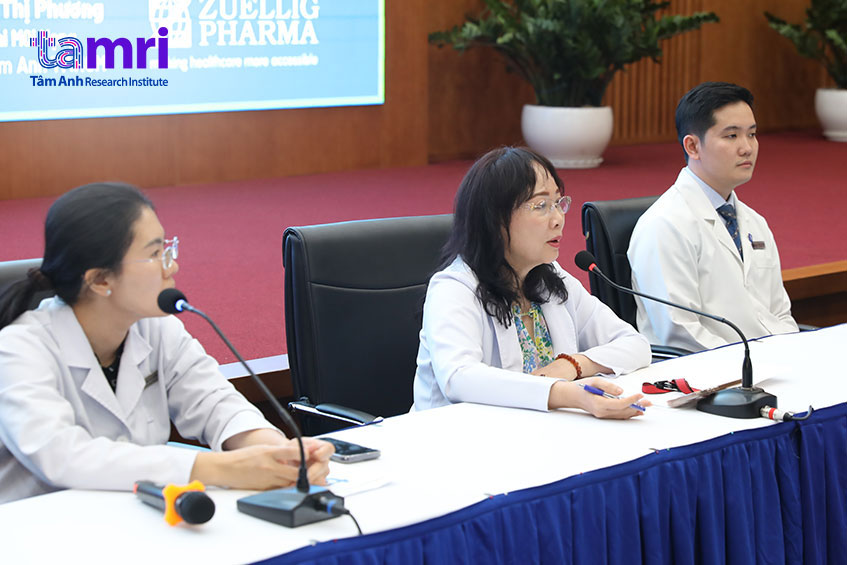
Prof. Tran Phan Chung Thuy, PhD, MD (center) – Medical Consultant at the ENT Center – posed a question to the 2 presenters.
Dr. Phuong concluded that in the treatment of ENT inflammation, controlling edema plays a crucial role in clearing drainage pathways and supporting treatment. Anti-inflammatory drugs help reduce swelling, pain, and promote healing, leading to faster patient recovery. However, drug use requires careful consideration of the balance between efficacy and the risk of side effects. Among these, the enzyme-based anti-inflammatory drug Chymotrypsin is a safe option with fewer side effects and is suitable for many patients. Additionally, it was noted that antibiotics should only be used when absolutely necessary, with correct prescriptions and appropriate types to avoid antibiotic resistance.
Multimodal Pain Management: Anti-inflammatories Play a Key Role
Presenting on “The Role of Anti-inflammation in Joint Replacement Surgery and Orthopedics”, Dr. Le Dinh Khoa, Head of the Arthroplasty Department at the Orthopedics Center, reported that medical literature indicates approximately 20% of patients are dissatisfied with their knee replacements after surgery.
Dr. Khoa raised the question of how to control post-operative pain and prevent acute pain from becoming chronic. This is a major reason for patient dissatisfaction and impacts quality of life.

Dr. Le Dinh Khoa, MSc, Level-1 Specialist, Head of the Arthroplasty Department at the Orthopedics Center, presenting on “The Role of Anti-inflammation in Joint Replacement Surgery and Orthopedics”.
According to Dr. Khoa, chronic post-operative joint pain can stem from uncontrolled inflammation, swelling, and edema compressing peripheral nerves. At the Orthopedics Center of Tam Anh HCMC General Hospital, a multimodal pain management approach is used, with anti-inflammatory medication playing a central role. These anti-inflammatory drugs break down proteins into smaller amino acids, reducing acute pain stimulation and swelling, and halving healing time compared to not using them. Controlling inflammation and pain post-surgery significantly shortens recovery time. With this multimodal pain management protocol, patients can walk after 3 days, discard crutches, and be discharged just 2 days post-operation.
This multimodal pain management approach is being implemented to help patients recover quickly, minimize post-operative complications, return to daily activities sooner, and improve satisfaction levels following joint replacement surgery.

Doctors attending the scientific workshop on February 28.
Professor Tran Phan Chung Thuy, presiding over the scientific workshop, concluded that enzymatic anti-inflammatory agents are safe for treating ENT diseases, particularly acute conditions and post-surgical cases. The pathogenesis of ENT diseases involves edema and sinus obstruction; if this obstruction is not addressed, the condition will not resolve even with a month of antibiotics. Therefore, reducing edema and inflammation is crucial for treatment. In orthopedics, failure to promptly address acute pain can lead to chronic pain.
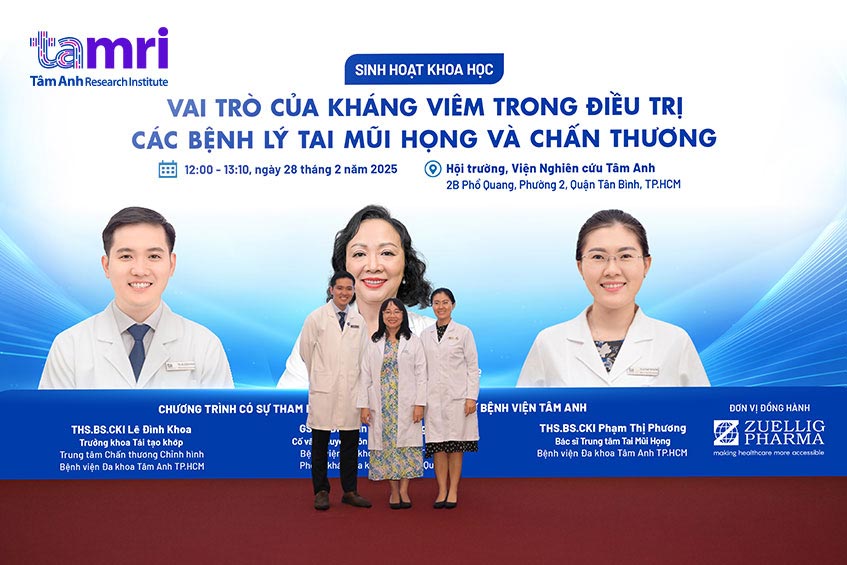
Prof. Tran Phan Chung Thuy, PhD, MD (center) with the 2 presenters in a commemorative photo after the workshop.
“Pain is the most distressing aspect for patients, negatively impacting their quality of life. Based on the presentations and discussions from the presenters, I hope this has provided a comprehensive and accurate perspective to help doctors deliver safe and effective treatment, enabling patients to return to their normal lives”, said Prof. Chung Thuy.
Tam Anh Research Institute
- Ha Noi:
- 108 Hoang Nhu Tiep, Bo De Ward, Ha Noi
- Hotline: 024 3872 3872 – 024 7106 6858
- TP.HCM:
- 2B Pho Quang Street, Ward Tan Son Hoa, Ho Chi Minh City
- Hotline: 093 180 6858 – 0287 102 6789
- Fanpage: https://www.facebook.com/ViennghiencuuTamAnh.TAMRI
- Website: tamri.vn