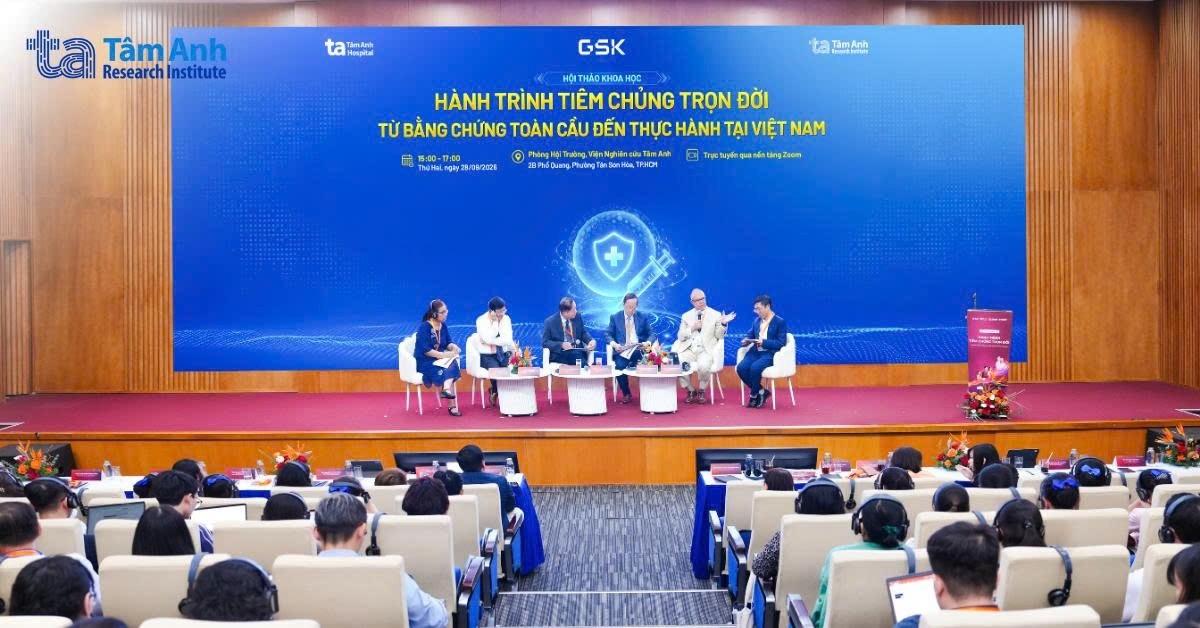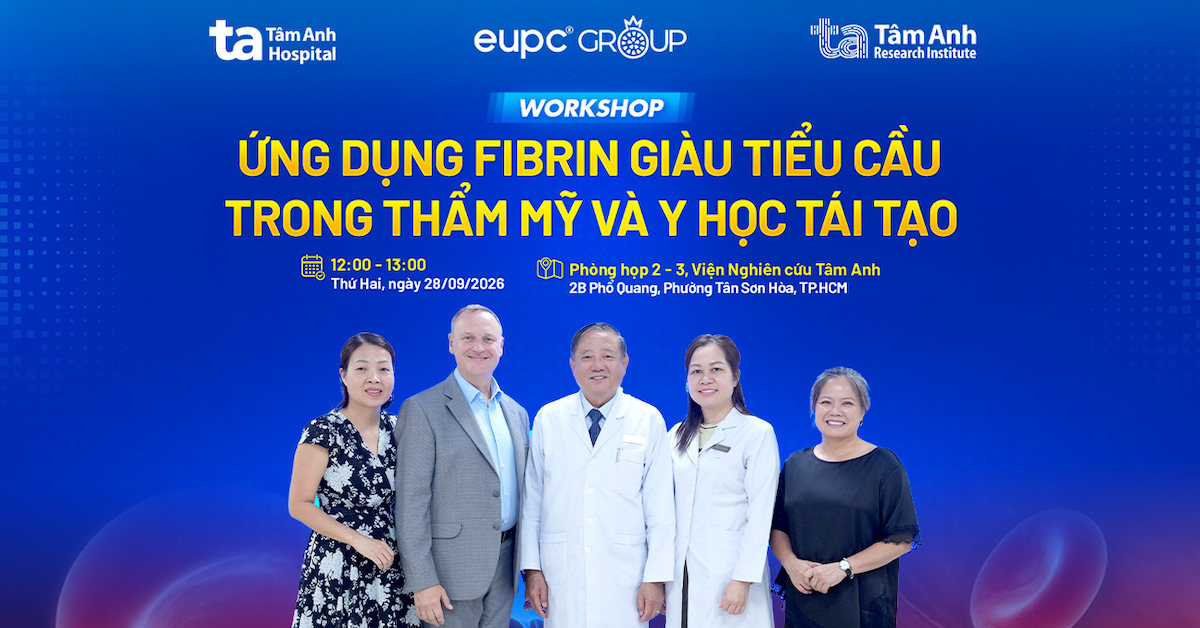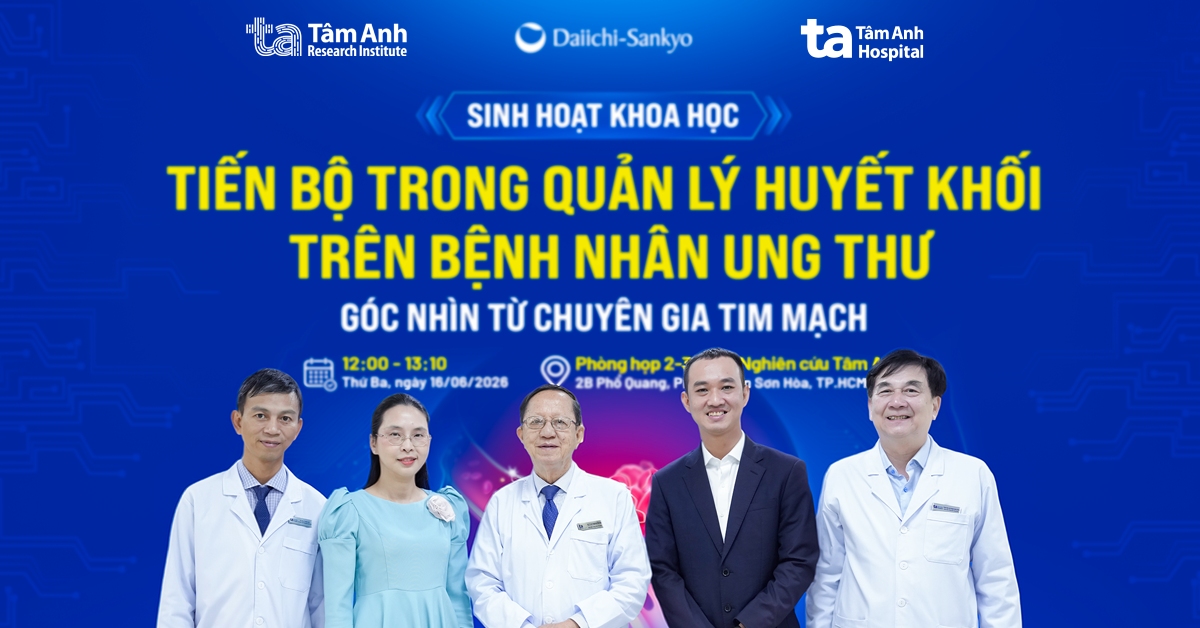
The development of molecular biomarker testing, next-generation sequencing (NGS), and precision medicine is unlocking new frontiers in lung cancer treatment, enabling clinicians to tailor therapeutic regimens based on the distinct genetic profile of each tumor.
Insights presented by experts during the scientific seminar titled “A new era in personalized lung cancer treatment” held on June 20 at the Tam Anh Research Institute.
In his opening remarks, Pham Xuan Dung, MD, PhD, Director of the Oncology Center at Tam Anh General Hospital, HCMC, noted that cancer is fundamentally recognized today as a disease driven by genetic alterations. The accumulation of DNA mutations triggers uncontrolled cellular proliferation, leading to tumor formation. In recent years, groundbreaking advancements in modern medicine have progressively unraveled numerous genetic mechanisms underlying cancer, paving the way for the development of highly precise and effective therapies.
Lung cancer remains one of the leading causes of cancer-related mortality in Vietnam, with non-small cell lung cancer (NSCLC) accounting for the vast majority of cases. Patients are frequently diagnosed at an advanced stage, which complicates management and results in a poor prognosis. Historically, treatment relied heavily on standardized protocols. However, clinical practice demonstrates that therapeutic responses vary significantly among individuals due to the diverse biological characteristics and distinct molecular alterations of each tumor.
Opening the presentation session, Dr. Pham Xuan Dung, serving as the program co-chair, outlined the core focus of the scientific seminar. Experts gathered to discuss the future direction of NSCLC management in Vietnam; update strategies for optimizing combination regimens involving tyrosine kinase inhibitors (TKIs) and novel therapies; explore the application of next-generation sequencing (NGS) integrated with artificial intelligence (AI) for molecular biomarker profiling and disease monitoring; and address the clinical challenges while proposing actionable solutions to implement personalized lung cancer care in daily practice.
Dr. Do Hoang Kha from the Department of Medical Oncology at the Oncology Center, Tam Anh General Hospital, HCMC, provided an update on optimizing TKI combination regimens and novel therapies for advanced-stage NSCLC.

Dr. Do Hoang Kha presents recent updates on advanced-stage non-small cell lung cancer (NSCLC).
According to Dr. Kha, the evolution of biomarkers has fundamentally shifted the therapeutic approach to NSCLC. While treatment decisions were previously guided strictly by histopathology and disease staging, clinicians can now deliver personalized treatment based on the tumor’s unique “biological portrait.” Beyond common mutations such as EGFR and ALK, a wider spectrum of alterations, including ROS1, BRAF V600E, MET exon 14 skipping, RET, NTRK, HER2, and KRAS G12C, has been identified, expanding patient access to more effective targeted therapies.
Recent clinical trials indicate that selecting therapeutic strategies tailored to the biological characteristics of the tumor significantly improves clinical outcomes. For specific subsets of patients harboring EGFR mutations, combining targeted TKIs with chemotherapy or anti-angiogenic agents can prolong disease control. Meanwhile, next-generation TKIs engineered for ALK, ROS1, and RET mutations have demonstrated superior response rates, robust intracranial control, and extended progression-free survival (PFS).
Dr. Kha detailed the mechanism of comprehensive molecular profiling utilizing next-generation sequencing (NGS). Instead of testing individual genes sequentially, NGS enables the simultaneous evaluation of multiple molecular abnormalities, allowing physicians to accurately identify targetable genetic alterations right from the first-line setting. Crucially, immunotherapy should not be initiated before obtaining a complete genomic map of the tumor to avoid missing the “golden” window of opportunity or increasing the risk of severe toxicities when switching regimens.
Following this, Dr. Nguyen Duy Sinh – Medical Director of the Institute of Medical Genetics and Medical Director of Gene Solutions Company, introduced comprehensive genomic solutions that leverage NGS and AI to profile critical molecular markers and monitor disease progression in NSCLC.
NGS can simultaneously detect various types of critical genetic alterations, including point mutations, deletions, gene amplifications, and fusions, alongside resistance mechanisms and immunotherapy response biomarkers. This provides clinicians with a comprehensive view of the tumor’s biological landscape to determine the most appropriate treatment strategy for each individual.
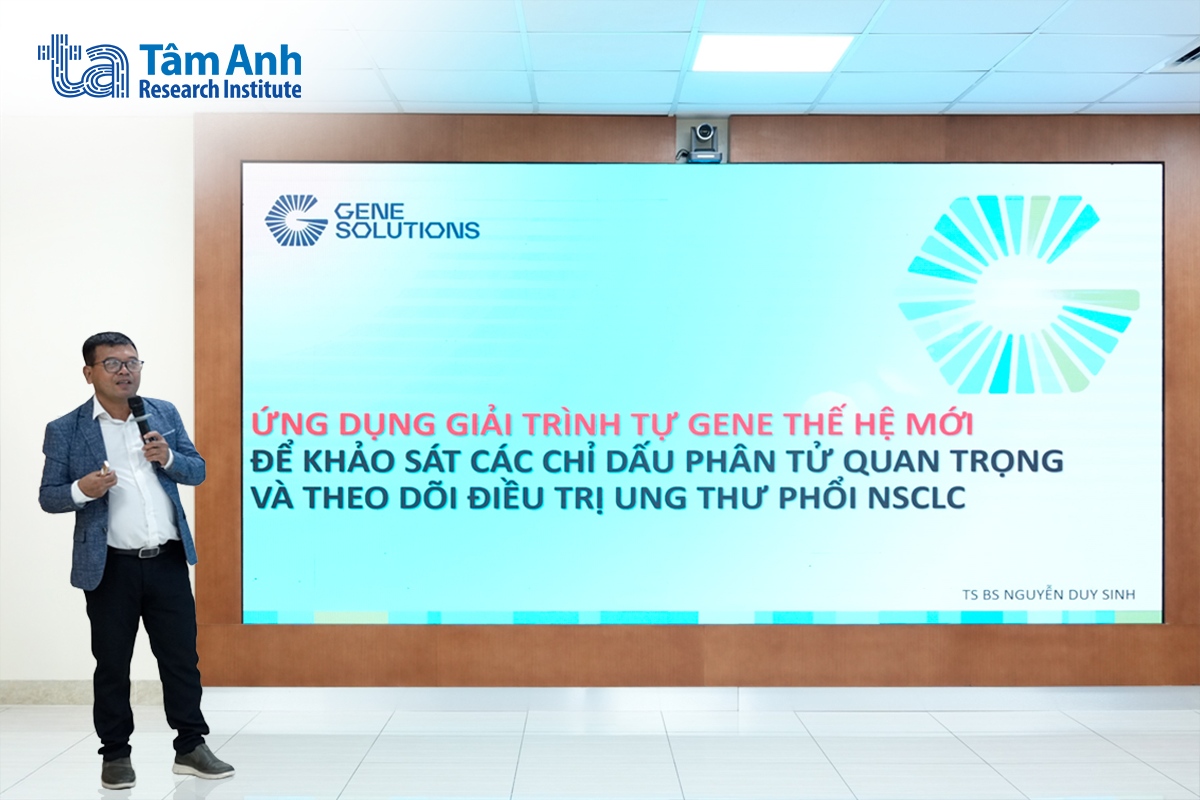
Nguyen Duy Sinh, MD, PhD, introducing the applications of next-generation sequencing in non-small cell lung cancer (NSCLC) management.
To guarantee the reliability of these datasets, Gene Solutions establishes its testing workflows under stringent international quality standards. These include accreditation by the College of American Pathologists (CAP), external quality assessment from EMQN (UK), and medical quality management standards such as ISO 9001, ISO 13485, and ISO 15189.
Additionally, Dr. Sinh highlighted two major hurdles currently facing precision oncology: tumor heterogeneity and the continuous evolution of cancer cells under therapeutic pressure. To overcome these limitations, Gene Solutions introduced an integrated solution combining DNA and RNA analysis from tissue pathology with circulating tumor DNA (ctDNA) liquid biopsies from peripheral blood. This multi-layered approach enhances the detection rate of rare mutations, uncommon gene fusions, resistance mechanisms, and predictive immunotherapy biomarkers, thereby expanding access to personalized therapies for patients.
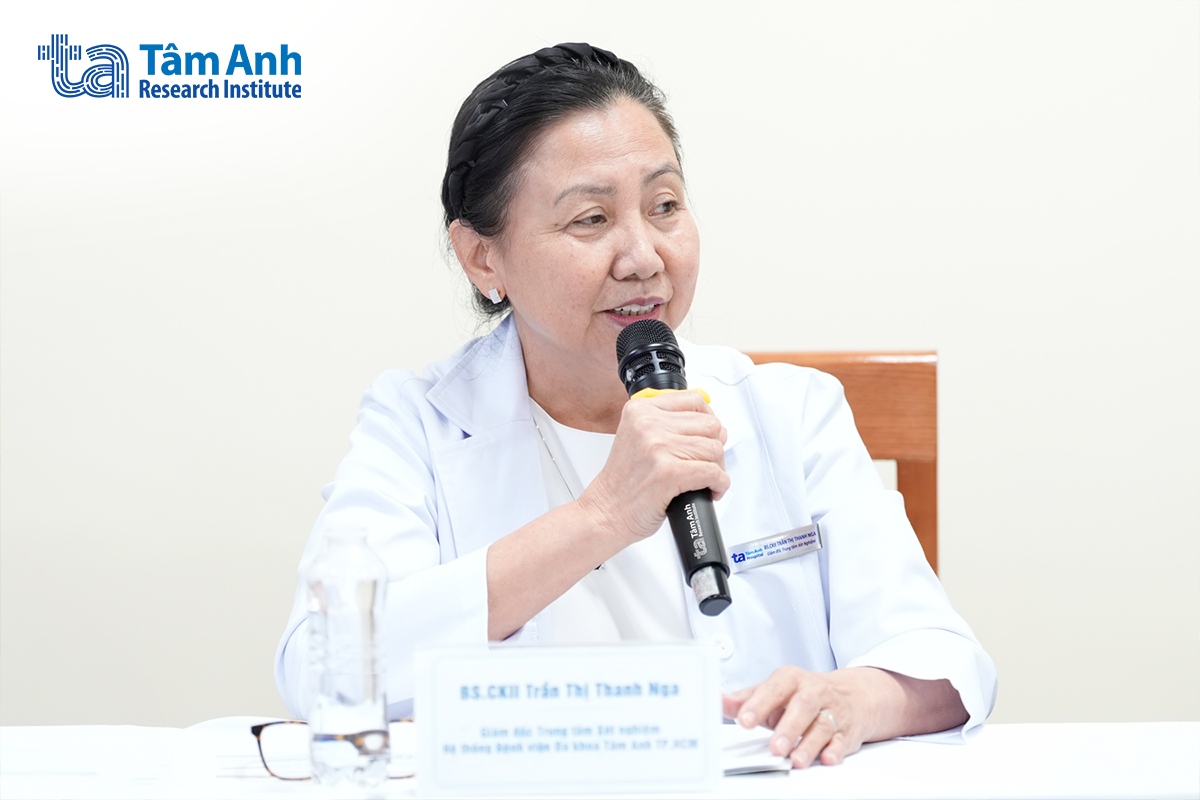
Dr. Tran Thị Thanh Nga moderated the discussion and delivered the closing remarks at the scientific seminar.
In her closing summary, Dr. Tran Thi Thanh Nga – Director of the Laboratory Center at Tam Anh General Hospital, HCMC, emphasized that in the era of precision medicine, the priority is not merely discovering a higher volume of mutations or biomarkers. Instead, it lies in identifying alterations that carry true clinical significance to guide optimal treatment selection for each patient, balancing both medical efficacy and socioeconomic factors.
The rise of emerging technologies like NGS generates massive volumes of molecular data. This demands that multidisciplinary teams possess advanced capabilities in analyzing, interpreting, and accurately translating these results into clinical practice. Moving forward, it is essential to continue standardizing workflows, strengthening multidisciplinary collaboration, and staying updated on novel oncological techniques. These efforts will ultimately expand access to personalized, safe, highly effective, and cost-efficient treatment modalities for patients.
Tam Anh Research Institute
- Ha Noi:
- 108 Hoang Nhu Tiep, Bo De Ward, Ha Noi
- Hotline: 024 3872 3872 – 024 7106 6858
- TP.HCM:
- 2B Pho Quang Street, Ward Tan Son Hoa, Ho Chi Minh City
- Hotline: 093 180 6858 – 0287 102 6789
- Fanpage: https://www.facebook.com/ViennghiencuuTamAnh.TAMRI
- Website: tamri.vn