Vaccination is not only for infants and young children. As people enter adolescence, adulthood, and older age, the risk of disease and the ability to mount an immune response change at each stage of life, requiring vaccine choices and vaccination timing appropriate to each person’s age, health status, and risk. In particular, among people with underlying conditions or those taking immunosuppressive medications to treat medical conditions, certain infectious diseases can easily take hold and cause illness, leading to more severe disease and further complicating existing underlying conditions.
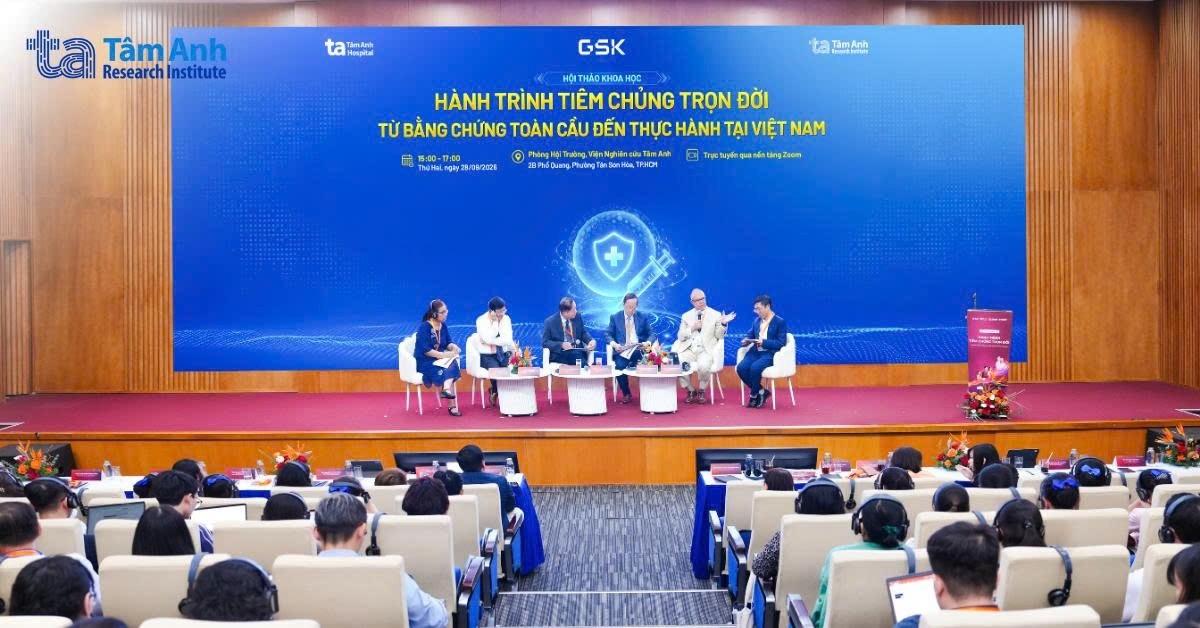
This was among the topics closely analyzed by Vietnamese and international experts at the scientific symposium “A Life-Course Vaccination Journey: From Global Evidence to Practice in Vietnam,” jointly organized by Tam Anh General Hospital and the VNVC Vaccination Center System with the support of GSK Pharma Viet Nam Company Limited, and held on September 28, 2026. The symposium featured Emeritus Professor Jonathan Van-Tam, former Deputy Chief Medical Officer for England, together with experts from the National Institute of Hygiene and Epidemiology and the Viet Nam Association of Preventive Medicine.
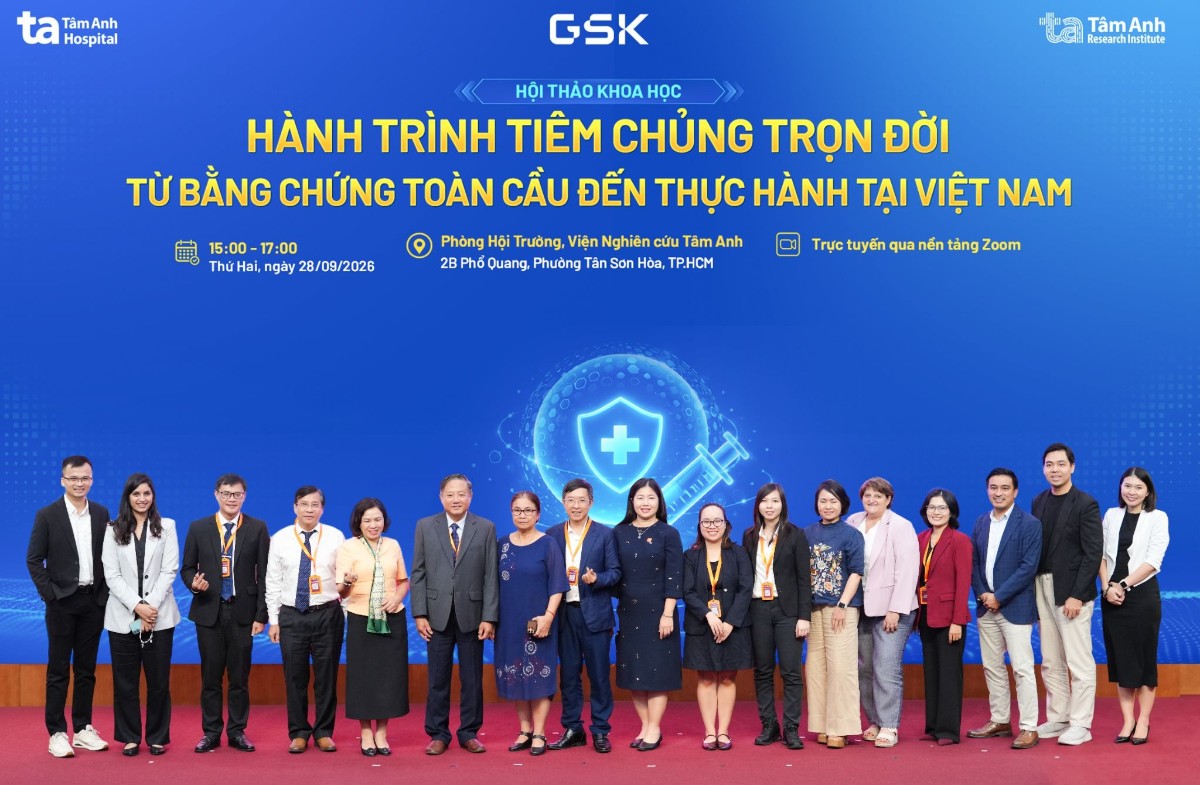
From the success of childhood vaccination to gaps in lifelong protection
For many years, childhood vaccination has been one of the key focus areas of preventive healthcare. It has also provided the foundation for Vietnam to attain many important achievements in preventing and controlling infectious diseases. Since 1985, the Expanded Programme on Immunization has been implemented, providing free vaccines against 11 infectious diseases. Thanks to sustained high vaccination coverage, the proportion of children under one year of age who were fully vaccinated remained above 90% for approximately 30 years. Vietnam also eradicated polio in 2000 and eliminated neonatal tetanus in 2005.
Meritorious Doctor and Associate Professor Tran Quang Binh, MD, PhD, Chief Medical Officer of Tam Anh General Hospital Ho Chi Minh City, said these achievements demonstrate an important principle of preventive medicine: vaccines deliver their greatest value when used FOR THE RIGHT PEOPLE, AT THE RIGHT TIME, AND WITH PROTECTION MAINTAINED IN LINE WITH EACH STAGE OF RISK THROUGHOUT LIFE.
However, once children move beyond the vaccination period of their early years, continued review and updating of their vaccination status are often no longer carried out as regularly as before. Children start school, their living environments change, and they begin participating in more social activities, while their risk of certain infectious diseases also changes with age. If missed doses or required booster doses are not reviewed, protection gaps may persist into adolescence.
One example of an immunity gap cited by Assoc. Prof. Tran Quang Binh at the symposium was hepatitis B. In his assessment, hepatitis B vaccination, particularly when given right from the first days of life, has helped many generations of children achieve better protection against the virus. However, this achievement does not mean that all generations have had equal opportunities for protection. According to statistics, Vietnam still has approximately 6.5 million people infected with hepatitis B and is among the 10 countries worldwide with the highest numbers of people infected with hepatitis B and C.
As this shows, younger generations have had opportunities to receive protection from a very early age, while many older generations may still have protection gaps. For this very reason, alongside continued protection of children through vaccination, attention should also be given to adults who never had the opportunity to receive vaccine protection during childhood, and testing, detection, and access to treatment should be strengthened at the same time.
The World Health Organization (WHO) currently provides routine vaccination recommendations for children, adolescents, and adults, while also emphasizing catch-up vaccination for those who missed vaccines in previous schedules. This approach aims to prevent a situation in which a person was fully vaccinated as a child but is no longer assessed for their protection status when entering new stages of risk.

Assoc. Prof. Tran Quang Binh recommended that healthcare professionals promote a life-course approach to vaccination, in which vaccines are considered at each stage from childhood and adolescence through adulthood and older age, according to each person’s disease risk and health status.
Adolescents need their vaccination schedules reviewed
Adolescence is one of the key times to recheck vaccination history. During this period, children begin to expand their learning, recreational, and social environments and have more contact with other people. Some vaccines are also recommended or require booster doses at this age, depending on the country, previous vaccination status, and risk factors.
Meningococcal disease is one example. Nguyen An Nghia, MD, PhD, Deputy Head of the Postgraduate Training Division at the University of Medicine and Pharmacy at Ho Chi Minh City and Deputy Head of the Infectious Diseases and Neurology Department at Children’s Hospital 1 in Ho Chi Minh City, said meningococcal meningitis, particularly disease caused by group B, is a dangerous infectious disease that can progress very rapidly, causing meningitis, sepsis, and many other forms of invasive meningococcal disease. The disease can become life-threatening within a short period and may also leave severe after-effects in survivors, including hearing loss, neurological damage, limb amputation, or psychological disorders.
Notably, meningococci can be present in the nose and throat of healthy people, but under favorable conditions, the bacteria can enter the bloodstream and organs and cause invasive disease. The bacteria are transmitted primarily through respiratory secretions and close contact. Therefore, crowded environments involving close living and social contact, such as schools, dormitories, or group activities, can facilitate the spread of the bacteria.
The disease is all the more concerning because its early signs are often nonspecific and may resemble a common cold, with fever, headache, sore throat, nausea, or fatigue. Meanwhile, the disease can become severe very quickly, making early recognition and treatment particularly important. According to data presented at the symposium, even with treatment, invasive meningococcal disease can still cause death and long-term after-effects in a significant proportion of patients.
The burden therefore extends beyond a single episode of illness. Survivors of invasive meningococcal disease may face after-effects that affect their ability to study and carry out daily activities, as well as their quality of life, over the long term, while their families also have to bear additional costs for treatment, rehabilitation, and long-term care.
Precisely because the disease can progress rapidly, is difficult to recognize early, and can result in severe consequences, proactive vaccination has become one of the key measures for reducing the risk of disease. For group B meningococcus, a next-generation vaccine was developed using reverse vaccinology technology and contains four antigen components of group B meningococci (4CMenB), with the aim of generating an immune response against multiple bacterial strains within this group.
Dr. Nguyen An Nghia advised that adolescence is not only a period for monitoring physical development but also an important time to check and complete vaccination schedules. For diseases that can progress rapidly, such as meningococcal disease, proactively receiving age- and risk-appropriate vaccines helps maintain protection as children enter a stage of broader learning, interaction, and social life.
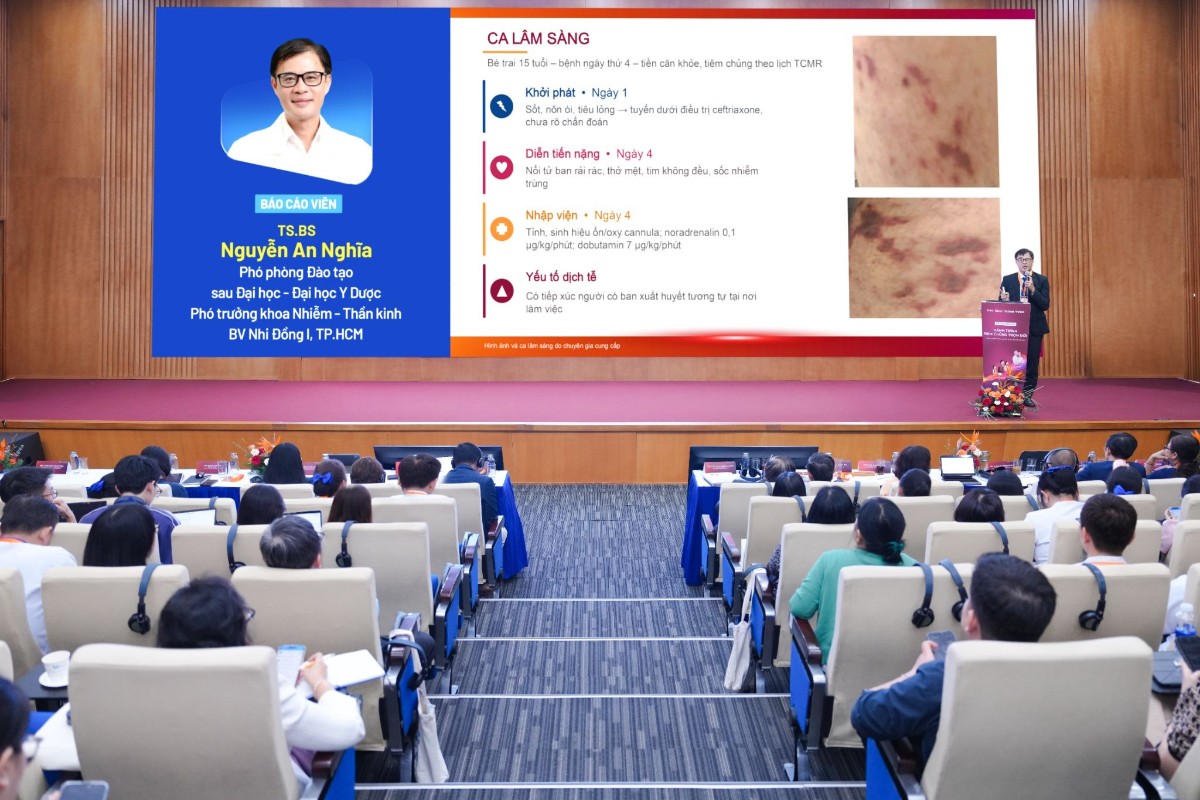
Adolescence calls for a review of vaccination schedules, including the meningococcal vaccine, which helps proactively prevent invasive disease that can progress very rapidly.
Older adults, people with underlying conditions face a very high risk of severe disease
If adolescents are a group that can easily be overlooked during the transition from childhood to adult vaccination, another protection gap emerges among adults living with chronic diseases. Cardiovascular disease, diabetes, chronic obstructive pulmonary disease (COPD), asthma, chronic kidney disease, and immunocompromising conditions do more than directly affect health. When people with these conditions also contract certain infectious diseases, they may face the risk of complications, hospitalization, or worsening of their underlying conditions.
In older adults, the issue is further complicated by age-related changes in the immune system, also known as immune aging. Associate Professor Pham Quang Thai, MD, PhD, Deputy Head of the Department of Infectious Disease Control at the National Institute of Hygiene and Epidemiology, said that immune function changes with age. As people grow older, the immune system becomes less capable of mounting effective responses to pathogens and immune stimulation, making the body more susceptible to complications from certain infections.
Respiratory syncytial virus (RSV) is a clear example. According to the CDC, people aged 75 and older and those aged 50–74 with certain risk factors, including chronic heart or lung disease, are at higher risk of severe RSV disease. In older adults, RSV not only causes respiratory disease but can also exacerbate existing underlying conditions.
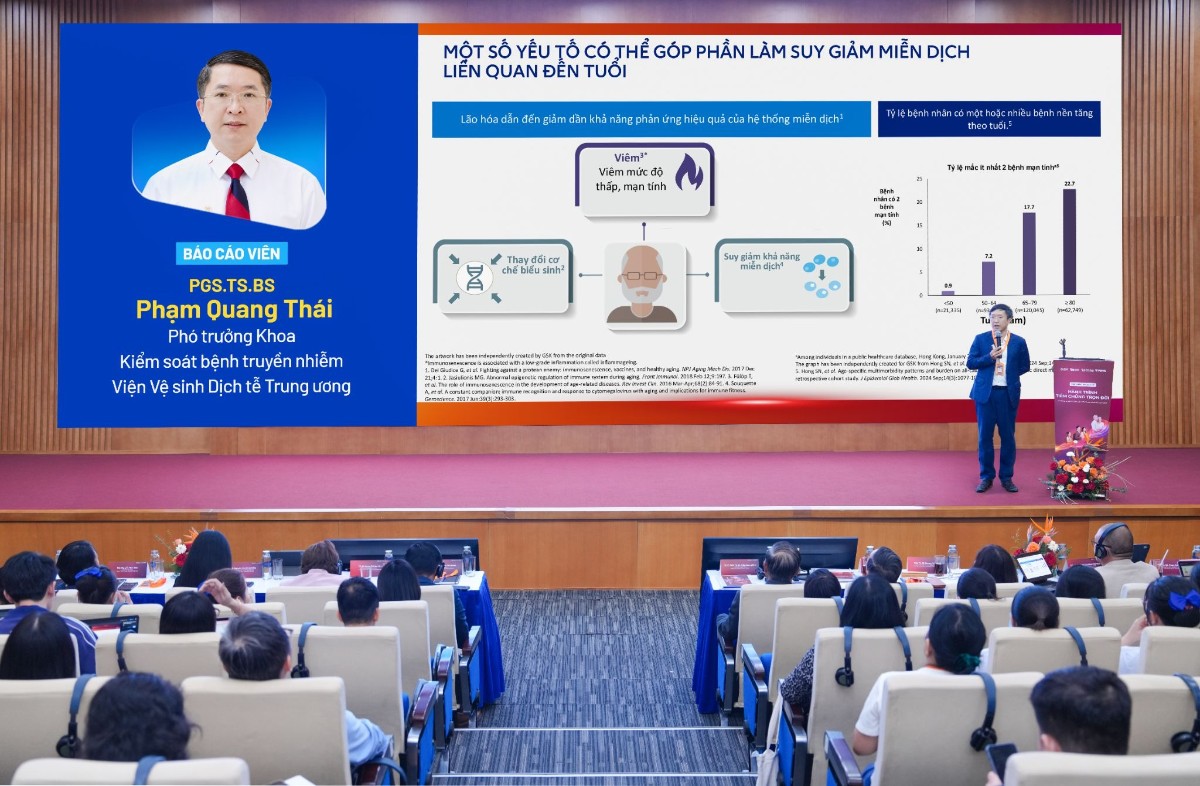
As the immune system ages, older adults are more likely to experience complications if they contract infectious diseases. Underlying conditions can further increase the burden.
Shingles: As age increases, the risk of shingles and prolonged nerve pain warrants greater attention
Shingles has a feature that distinguishes it from many other common infectious diseases. The virus that causes the disease can “lie dormant” in the body after a previous chickenpox infection. Many years later, when people age or their immune systems become weakened, the virus can reactivate and cause shingles.
The disease commonly presents with pain, burning, and a band-like rash of blisters along an area of the skin. However, what particularly concerns experts is not only the skin lesions but also complications that can persist after the lesions have healed. Among them, postherpetic neuralgia can last for many months or longer, significantly affecting sleep, daily activities, and quality of life.
This risk deserves particular attention in older adults and people who are immunocompromised. The CDC recommends recombinant zoster vaccine for adults aged 50 and older and adults aged 19 and older who are immunodeficient or immunosuppressed because of disease or treatment, with a two-dose schedule and intervals determined by a physician based on the results of the required medical screening.
Assoc. Prof. Pham Quang Thai said the recombinant, non-live, adjuvanted zoster vaccine is designed to enhance the immune response specifically against varicella-zoster virus. This mechanism is particularly meaningful for older adults and high-risk groups, whose natural immune response has declined with age.
Clinical data show that the recombinant zoster vaccine demonstrates high efficacy against shingles in older adults. In a study of people aged 50 and older, the vaccine achieved 97.2% efficacy against shingles. Efficacy was also observed in people with underlying conditions, ranging from 84.5% to 97%, depending on the condition. Notably, the vaccine not only helps prevent shingles but also contributes to reducing the risk of complications following shingles; among people aged 70 and older, efficacy against postherpetic neuralgia reached 88.8%. Among people aged 18 and older with disease-related immunocompromising conditions, efficacy against shingles ranged from 70% to 87%.
Not only does the vaccine demonstrate efficacy in the first few years after vaccination, but long-term follow-up data also show that protection is maintained for many years. According to data from up to 11 years of follow-up, efficacy against shingles remained approximately 82%, while among people aged 70 and older, efficacy remained at 70% or higher.
Therefore, for older adults or people who are immunocompromised, preventing shingles is not only about avoiding an episode of a painful, burning rash. More importantly, the goal is to reduce the risk of disease and prolonged complications that can affect quality of life.
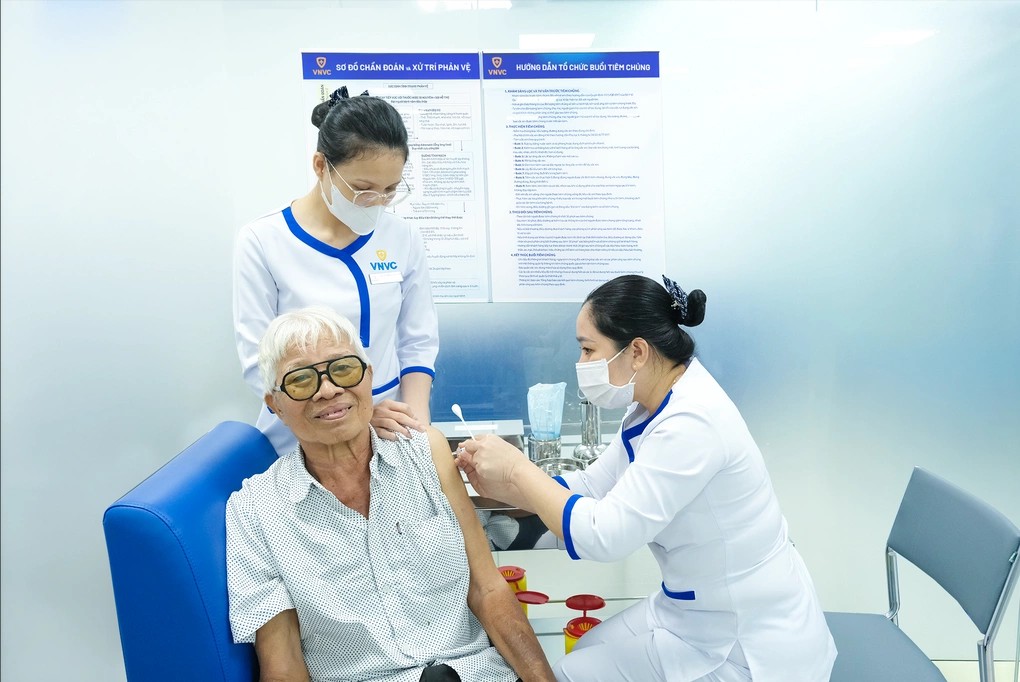
The chickenpox virus can lie dormant in the body for many years and reactivate as shingles with advancing age or weakened immunity. The vaccine helps reduce the risk of shingles and postherpetic neuralgia.
Respiratory syncytial virus (RSV): Older adults with underlying conditions are prone to severe disease when infected
If shingles raises concerns about viral reactivation and neurological complications, RSV illustrates the risk that a respiratory infection can become more severe when it occurs in a body already affected by chronic disease.
According to Assoc. Prof. Pham Quang Thai, in healthy young people, RSV may cause only common respiratory symptoms. However, in older adults or people with chronic heart or lung disease, immunocompromising conditions, and certain other underlying conditions, the risks of severe disease and hospitalization are higher. Globally, more than 470,000 hospitalizations and approximately 33,000 in-hospital deaths related to RSV are estimated to occur each year among people aged 60 and older in high-income countries.
Notably, the risk of severe disease increases markedly with age and in the presence of conditions such as chronic obstructive pulmonary disease (COPD), asthma, heart failure, coronary artery disease, diabetes, chronic kidney disease, or immunocompromising conditions. According to statistics, approximately 96% of people aged 60 and older hospitalized with RSV in the United States have at least one underlying condition, showing that RSV not only causes lower respiratory tract infection but may also worsen chronic diseases and trigger events such as COPD exacerbations and heart failure.
A global prospective study of adults hospitalized with RSV found that, among 238 RSV-positive cases analyzed, 145 were aged 65 and older. The study also included 99 people with chronic heart disease, 73 with COPD, 51 with asthma, and 39 with chronic kidney disease. These figures show that when RSV occurs in people whose health already involves multiple risk factors, the disease burden can become more substantial.
Therefore, alongside treatment and good control of underlying conditions, proactive prevention of RSV through vaccination is an important measure for reducing the risk of lower respiratory tract disease and related complications. To address this need, the RSVPreF3 OA vaccine was developed for older adults, with a design targeting the characteristics of immune aging in this age group. The vaccine uses an antigen designed to stimulate the body to produce neutralizing antibodies, together with an adjuvant component to enhance the cellular immune response.
In the AReSVi-006 study, the efficacy of a single dose of RSVPreF3 OA vaccine was evaluated in people aged 60 and older during the first RSV season, with a median follow-up of 6.7 months. The results showed that the vaccine achieved 82.6% efficacy against RSV-related lower respiratory tract disease, 94.1% efficacy against severe RSV-related lower respiratory tract disease, and 71.7% efficacy against RSV-related acute respiratory infection. Efficacy was also observed in groups with coexisting underlying conditions, reaching 94.6% against RSV-related lower respiratory tract disease among people with at least one underlying condition. The vaccine also demonstrated protection against both circulating RSV subtypes, with efficacy of 84.6% against RSV-A and 80.9% against RSV-B.
Not only did the vaccine demonstrate efficacy in the first RSV season, but subsequent follow-up data also showed that protection from RSVPreF3 OA was maintained across three consecutive RSV seasons. With a median follow-up of 30.6 months, cumulative efficacy from Season 1 through Season 3 reached 62.9% against RSV-related lower respiratory tract disease, 67.4% against severe RSV-related lower respiratory tract disease, and 51.1% against RSV-related acute respiratory infection. Efficacy against RSV-related lower respiratory tract disease was also observed for both RSV-A and RSV-B, at 69.8% and 58.6%, respectively. Among people with at least one coexisting underlying condition, efficacy against RSV-related lower respiratory tract disease across the three seasons reached 64.7%.
These results show that a single dose of the vaccine can provide substantial protection against RSV-related lower respiratory tract disease in older adults right from the first RSV season, with efficacy maintained through subsequent seasons. In particular, protection against severe lower respiratory tract disease and in people with underlying conditions is important given that older adults often face multiple risk factors simultaneously.
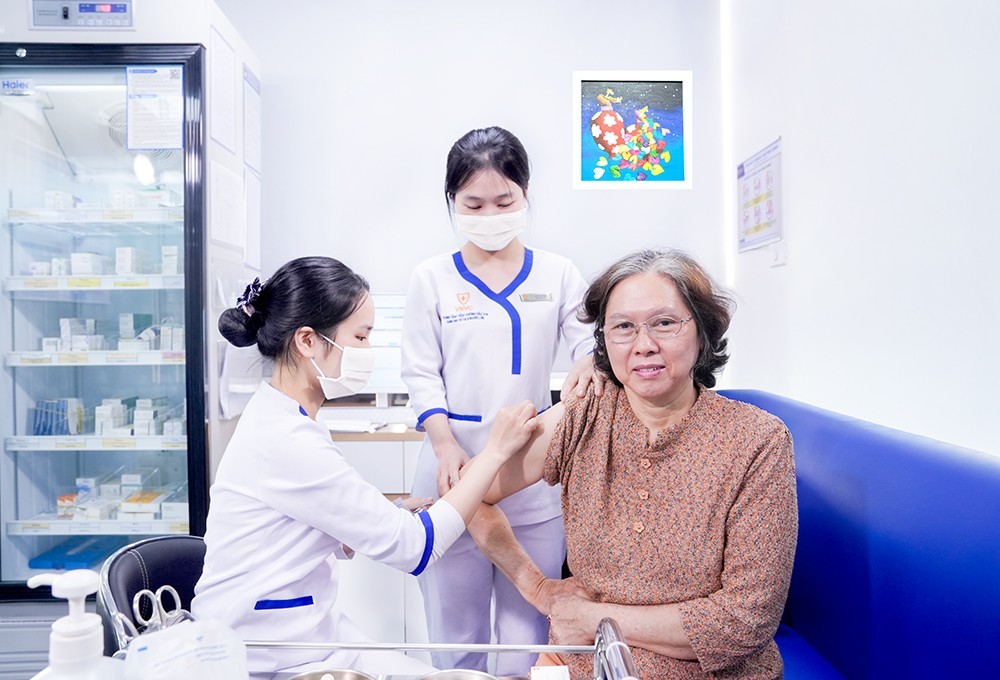
RSV not only causes respiratory infections in older adults but can also exacerbate COPD, heart failure, and underlying conditions. The vaccine helps reduce the risk of RSV-related lower respiratory tract disease.
In concluding the symposium, Assoc. Prof. Tran Quang Binh emphasized that from young children to adolescents, and from adults to older adults, the need for disease prevention through vaccination varies. Some vaccines need to be given early, some require booster doses, some are prioritized for certain age groups or people with underlying conditions, and some people need catch-up vaccination after missing previous doses. Families can visit the nearest vaccination facility right away for screening, consultation, and a prescribed vaccination pathway appropriate to each stage of life, health status, vaccination history, and local epidemiological risks.
Tam Anh Research Institute
- Ha Noi:
- 108 Hoang Nhu Tiep, Bo De Ward, Ha Noi
- Hotline: 024 3872 3872 – 024 7106 6858
- TP.HCM:
- 2B Pho Quang Street, Ward Tan Son Hoa, Ho Chi Minh City
- Hotline: 093 180 6858 – 0287 102 6789
- Fanpage: https://www.facebook.com/ViennghiencuuTamAnh.TAMRI
- Website: tamri.vn