
Older adults infected with RSV face an eightfold higher risk of hospitalization compared with younger individuals, with the rate of major adverse cardiovascular events reaching as high as 31.7%. Mortality among those aged 80 years and older even exceeds that of seasonal influenza. These data indicate that RSV is becoming a major disease burden among older adults and individuals with chronic underlying conditions. The adjuvanted RSVPreF3 vaccine is regarded as an important advancement in RSV prevention strategies for high-risk populations, demonstrating 82.6% efficacy against lower respiratory tract disease and 94.1% efficacy against severe RSV cases in adults aged 60 years and older.
These important findings were shared by leading experts and physicians in preventive medicine, respiratory medicine, cardiology, and internal medicine at the scientific workshop entitled “Preventing RSV with the Adjuvanted RSVpreF3 Vaccine: New Updates and Practical Highlights”, held on May 5, 2026 in Ho Chi Minh City and May 13, 2026 in Hanoi. The workshop provided a comprehensive perspective on the disease burden caused by RSV in older adults and individuals with underlying conditions, while also updating participants on modern prevention solutions using adjuvanted vaccines. The event was jointly organized by the Tam Anh Research Institute and Tam Anh General Hospital, with professional support from GSK.
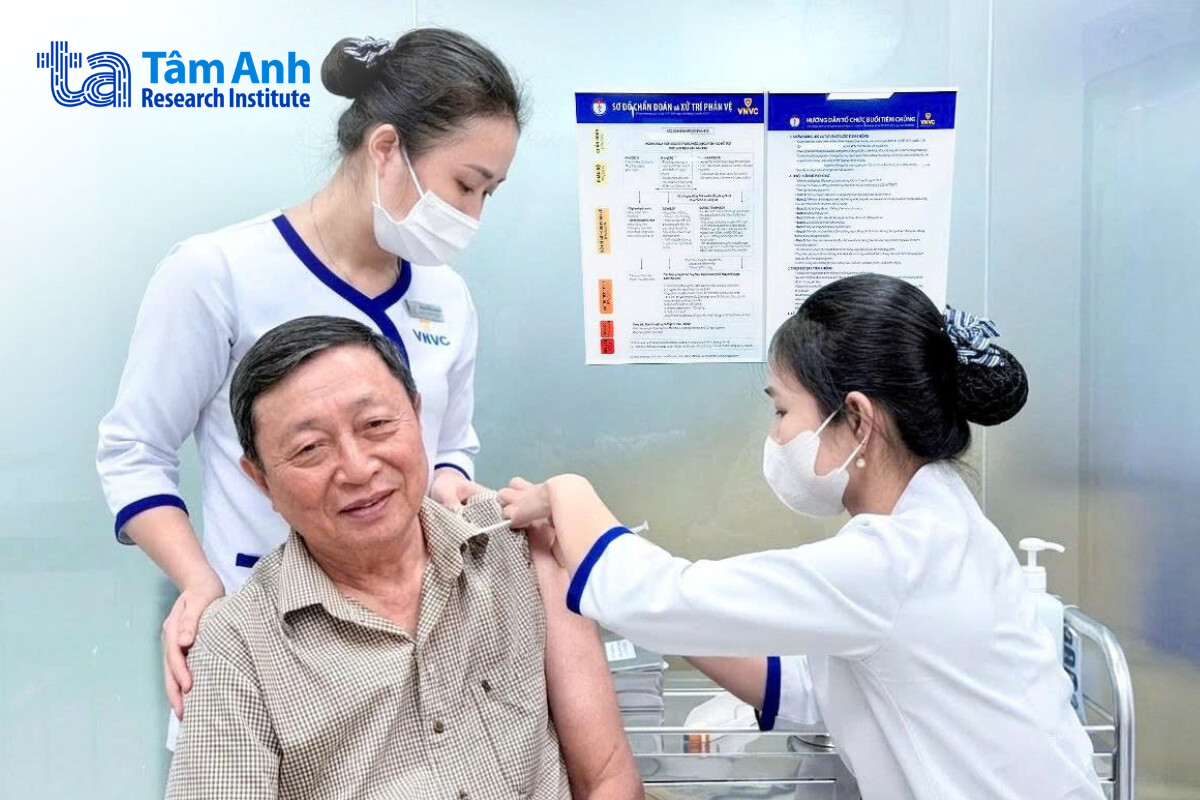
The adjuvanted recombinant RSVPreF3 vaccine is an effective preventive measure against RSV, helping reduce the risk of infection and severe complications in older adults and individuals with underlying conditions
The adjuvanted recombinant RSVPreF3 vaccine is an effective preventive measure against RSV, helping reduce the risk of infection and severe complications in older adults and individuals with underlying conditions
The adjuvanted recombinant RSVPreF3 vaccine is an effective preventive measure against RSV, helping reduce the risk of infection and severe complications in older adults and individuals with underlying conditions.
The Burden of RSV Disease in Older Adults and Individuals with Underlying Conditions
Amid the increasing prevalence of respiratory diseases and their tendency to progress severely in high-risk groups, respiratory syncytial virus (RSV) has been identified as one of the most significant contributors to disease burden among older adults. Dr. Tran Vu Minh Thu, Head of Cardiology Department 2 at the Cardiovascular Center, Tam Anh General Hospital Ho Chi Minh City, emphasized that RSV is far more than a “common cold”; it is a major cause of hospitalization, severe complications, and death, particularly among adults aged 60 years and older with underlying medical conditions.
In adults, RSV often begins with nonspecific symptoms such as cough, runny nose, sore throat, or fatigue, making it easy to mistake for a common viral infection. However, clinical data show that the disease can rapidly progress to pneumonia, respiratory failure, and exacerbations of underlying conditions. Among older adults, the risk of RSV-related hospitalization is eight times higher, especially in those aged 65 years and older. In individuals aged 80 years and above, in-hospital mortality associated with RSV even exceeds that of seasonal influenza, accompanied by a greater need for intensive care unit (ICU) admission, reflecting the severe nature of the disease.
Specifically, among hospitalized adults with RSV infection, respiratory complications occurred in 52.5% of cases (compared with 49.7% for influenza), viral coinfection ranged from 36.6% to 38.6%, major adverse cardiovascular events (MACE) reached 31.7% (compared with 24.1% for influenza), three-month readmission rates reached 26.9% (compared with 20.4% for influenza), and in-hospital mortality was 2.5% (higher than the 1.6% observed with influenza). Notably, heart failure patients infected with RSV may experience a 22% reduction in one-year survival if an acute exacerbation occurs.
From a cardiovascular perspective, RSV markedly increases the risk of hospitalization, particularly among individuals with pre-existing cardiovascular disease, who account for approximately 49% of RSV-related hospitalizations. People with cardiovascular disease are 7.6 times more likely to be hospitalized due to RSV than those without cardiovascular disease, Dr. Minh Thu emphasized.
Importantly, among cardiovascular patients hospitalized for RSV, approximately 30% experienced acute cardiovascular events, with acute heart failure (25.3%) and acute ischemic heart disease (10.2%) being the most common manifestations. In a study conducted across 12 U.S. states, approximately one-third of adults aged 50 years and older with cardiovascular disease who were hospitalized for RSV experienced acute cardiac events, substantially higher than in those without underlying conditions.

RSV is a dangerous pathogen in older adults, capable of causing pneumonia, respiratory failure, hospitalization, and mortality rates higher than those of influenza, particularly in individuals with underlying cardiovascular disease.
Among patients with chronic lung disease, RSV also demonstrates a high level of severity. Dr. Pham Le Quyen, Deputy Head of the Respiratory Department at Tam Anh General Hospital Hanoi, stated that asthma patients have a 2.3- to 3.6-fold increased risk of hospitalization, while patients with chronic obstructive pulmonary disease (COPD) have a 3.5- to 13.4-fold increased risk, with exacerbation rates exceeding 83%. In addition, 17.9% of patients require ICU admission, 9%–21% require mechanical ventilation, and mortality rates range from 2.8% to 17.8%. Persistent RSV infection in COPD patients is also associated with accelerated decline in lung function over time.
In patients with diabetes, RSV increases the risk of hospitalization by 2.4- to 6.4-fold. This group also faces a higher risk of acute cardiovascular complications, including acute heart failure and myocardial ischemia, with rates of approximately 18% compared with individuals without diabetes.
Real-world evidence confirms that RSV imposes a substantial disease burden not only on the respiratory system but also on the cardiovascular system and overall health, particularly in older adults and patients with underlying conditions. Dr. Minh Thu and Dr. Le Quyen emphasized the need to raise awareness about the severity of RSV while strengthening proactive prevention strategies to reduce hospitalization, severe complications, and mortality in high-risk populations.
The Adjuvanted RSVPreF3 Vaccine Enhances Protection in Older Adults and Individuals with Underlying Conditions
At the workshop, Dr. Pham Thi Thanh Tam, Deputy Head of the Department of Internal Medicine at Tam Anh General Hospital Ho Chi Minh City, presented notable data on the immune mechanisms and real-world effectiveness of the adjuvanted RSVPreF3 vaccine in older adults and individuals with underlying conditions.
According to Dr. Thanh Tam, the body combats RSV through two primary immune mechanisms: humoral immunity and cellular immunity. Neutralizing antibodies, which are part of the humoral immune response, can inhibit RSV from entering host cells. Studies show that older adults with lower levels of neutralizing antibodies are more likely to develop symptomatic RSV infection and face a higher risk of hospitalization compared with those with higher antibody levels.
In addition, cellular immune responses play a critical role in promoting viral clearance and reducing disease severity. CD4+ T cells support the development of effective and balanced antibody responses, helping prevent viral spread. Meanwhile, CD8+ T cells help eliminate the virus from the body, thereby reducing the severity of clinical symptoms.
However, experts noted that immunosenescence in older adults may impair both the quantity and quality of immune cells, resulting in weaker immune responses after RSV infection or vaccination. In particular, age-related decline in T-cell responses makes it more difficult for the body to develop adequate immunity against RSV and achieve high levels of protection following vaccination, especially in individuals with comorbidities.
On this basis, the RSVPreF3 vaccine (120 µg) combined with the AS01E adjuvant system was developed to induce stronger humoral and cellular immune responses in older adults. The RSVPreF3 antigen was designed to maintain its prefusion structure, enabling the presentation of key viral surface sites with potent neutralizing capacity, thereby enhancing antibody responses in older individuals.
Notably, the AS01E adjuvant system is expected to enhance and sustain broader and more durable immune responses, while also helping restore RSVPreF3-specific CD4+ T-cell responses in older adults, a population significantly affected by age-related immune decline.
Regarding efficacy data, Distinguished Physician Associate Professor Dr. Nguyen Thi Bach Yen, Head of the Cardiology Department at Tam Anh General Hospital Hanoi, stated that during the first season, the adjuvanted RSV vaccine demonstrated 71.7% efficacy against acute respiratory illnesses, 82.6% efficacy against RSV-related lower respiratory tract disease (RSV-LRTD), and up to 94.1% efficacy against severe RSV-LRTD cases.
The adjuvanted RSVPreF3 vaccine significantly reduced severe RSV-related events in adults aged 60 years and older, with protective efficacy reaching 74% against severe RSV-related COPD exacerbations, 62% against severe asthma exacerbations, and 63% against major adverse cardiovascular events (MACE).
In addition, a single dose demonstrated dual protective efficacy against both RSV A and RSV B strains. The vaccine demonstrated good tolerability and a favorable safety profile, with most reactions being mild to moderate in intensity and short in duration.
According to Dr. Nguyen Thi Bach Yen, the adjuvanted RSVPreF3 vaccine provides important protection for older adults and individuals with chronic diseases, who are at high risk of severe complications following RSV infection.

Vaccination is considered the “fourth pillar” of cardiovascular care, helping prevent RSV in older adults, and is recommended for individuals aged 60 years and older to reduce the risk of hospitalization
Vaccination is considered the “fourth pillar” of cardiovascular care, helping prevent RSV in older adults, and is recommended for individuals aged 60 years and older to reduce the risk of hospitalization
Real-World Effectiveness of the Adjuvanted RSVPreF3 Vaccine in Older Adults and Individuals with Chronic Diseases
Speaking at the workshop, Dr. Bach Thi Chinh, Medical Director of VNVC Vaccination System, stated that many countries around the world now consider vaccination the “fourth pillar” of cardiovascular healthcare, alongside treatment and management of underlying diseases. According to Dr. Chinh, vaccination is increasingly recognized as an important “preventive prescription” for older adults and individuals with chronic conditions.
Each country develops its own vaccination strategy depending on population structure, high-risk groups, and disease burden. Epidemiological data consistently show that the risk of RSV infection increases markedly with age, especially among individuals over 85 years old, who have the highest rates of hospitalization and severe complications.
In Vietnam, adults aged 60 years and older are currently recommended to receive the adjuvanted RSV vaccine to enhance protection against both RSV A and RSV B strains.
In addition, the 2025 guidelines of the Vietnam Respiratory Society also recommend RSV vaccination for adults aged 60 years and older, particularly those with COPD, chronic lung disease, or immunocompromising conditions. The vaccine is currently indicated as a single intramuscular dose for the prevention of RSV in older adults.
Tam Anh Research Institute
- Ha Noi:
- 108 Hoang Nhu Tiep, Bo De Ward, Ha Noi
- Hotline: 024 3872 3872 – 024 7106 6858
- TP.HCM:
- 2B Pho Quang Street, Ward Tan Son Hoa, Ho Chi Minh City
- Hotline: 093 180 6858 – 0287 102 6789
- Fanpage: https://www.facebook.com/ViennghiencuuTamAnh.TAMRI
- Website: tamri.vn