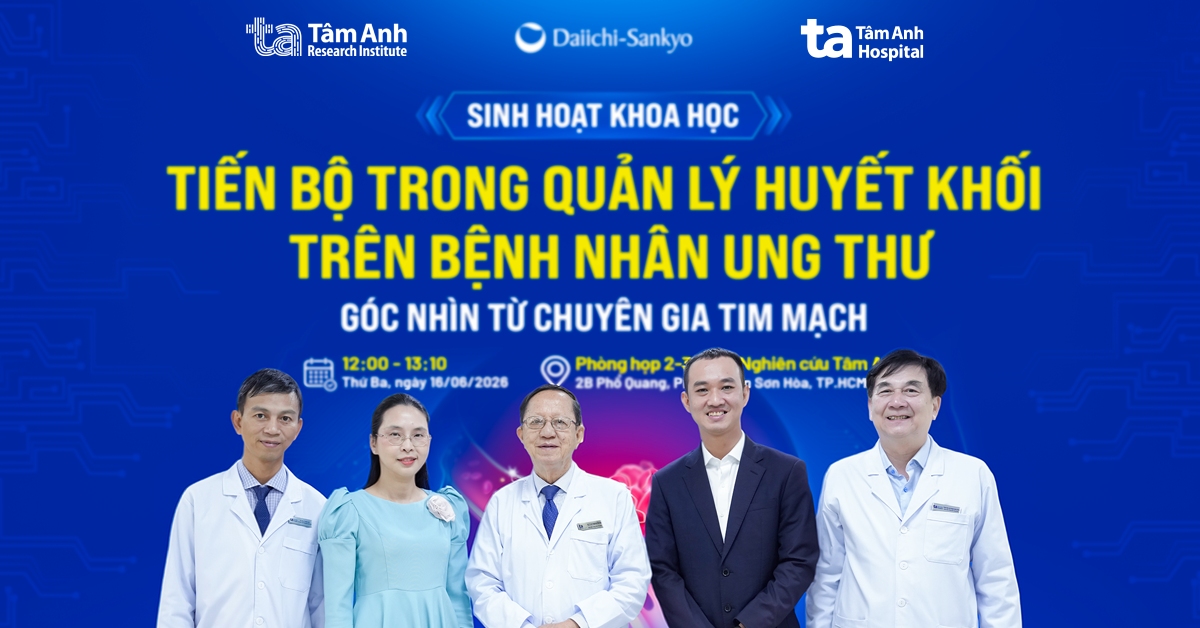

Experts highlight a paradigm shift in the treatment of systemic lupus erythematosus (SLE), moving from symptom control to comprehensive disease management. In this transition, biologics are playing an increasingly important role, particularly in patients with difficult-to-manage or corticosteroid-dependent disease.
These insights were shared at the scientific symposium titled “Biologics: The Key to Comprehensive and Sustainable Control of Systemic Lupus Erythematosus (SLE)”, held at Tam Anh General Hospital, Ho Chi Minh City, on April 13.

Assoc. Prof. Tran Quang Binh, MD, PhD, discusses treatment strategies for systemic lupus erythematosus.
The Burden of SLE and Current Treatment Realities
According to Dr. Ta Phuong Dung, Deputy Director of the Center for Urology – Nephrology – Andrology at Tam Anh General Hospital, SLE is a complex chronic autoimmune disease. In Asia, the prevalence ranges from 3.7 to 127 per 100,000 population, with women affected approximately nine times more frequently than men. However, when men develop SLE, the disease course is often more severe and more challenging to treat.
SLE can affect multiple organs, including the skin, joints, kidneys, and immune system, and is characterized by alternating periods of flare and remission. This significantly impairs patients’ quality of life, particularly among those with long-standing disease, multiple manifestations, or active disease.
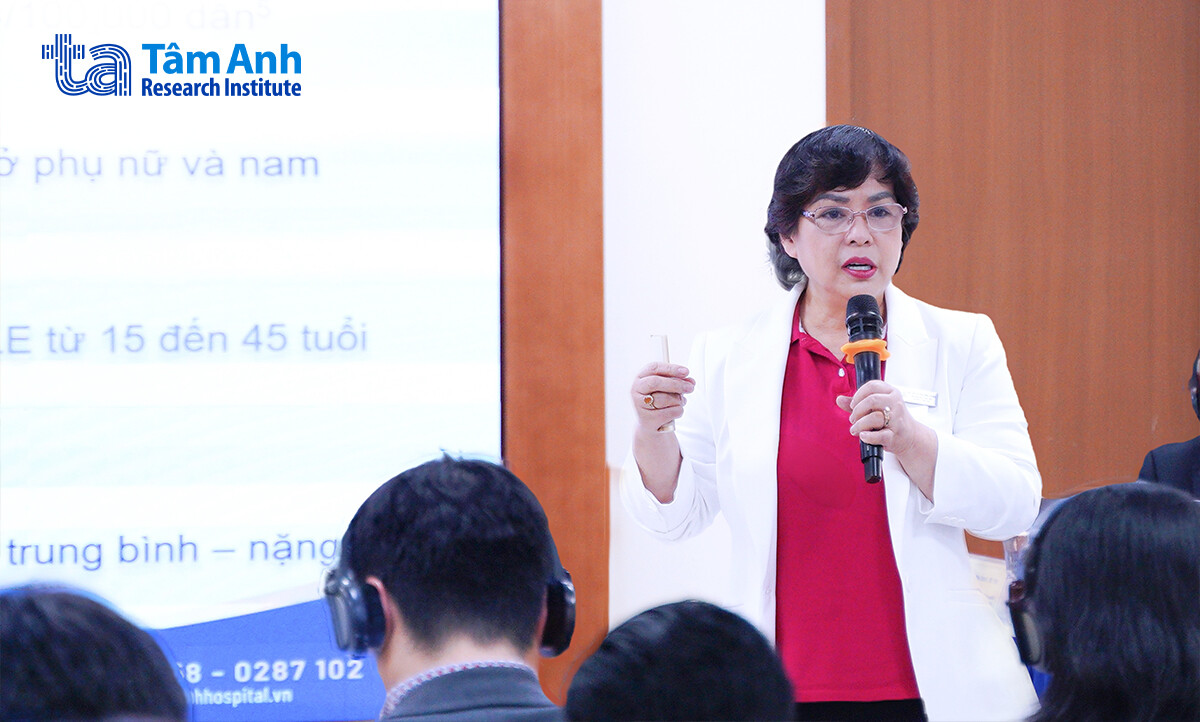
Dr. Ta Phuong Dung highlights key challenges in SLE management.
Dr. Dung noted several challenges in real-world clinical practice, including delayed diagnosis, lack of continuous follow-up, and patients discontinuing medication without medical guidance. Currently, SLE remains incurable; treatment focuses on disease control and the maintenance of long-term remission.
Standard therapies continue to include hydroxychloroquine, corticosteroids, and immunosuppressants. However, prolonged corticosteroid use remains common and is associated with significant risks of complications. In patients with lupus nephritis, early initiation of immunosuppressive therapy is essential, and renal biopsy should be considered to determine disease classification and guide optimal treatment.
Treatment goals: Achieving remission and reducing toxicity
Assoc. Prof. Hoang Thi Lam, MD, PhD, Head of the Clinical Immunology Department at Tam Anh General Hospital, emphasized that modern SLE management aims not only to control symptoms but also to achieve clinical remission or low disease activity.
Studies have shown that patients who maintain these states over the long term have a lower risk of organ damage, fewer hospitalizations, and improved quality of life. However, achieving these goals remains challenging, as it requires balancing treatment efficacy with potential adverse effects.

Assoc. Prof. Hoang Thi Lam presents targeted treatment strategies for SLE.
While corticosteroids remain essential for managing acute flares, prolonged or high-dose use increases the risk of infection, cardiovascular complications, and metabolic disorders. Therefore, current treatment strategies emphasize the early use of hydroxychloroquine, along with timely introduction of immunosuppressants or biologics in high-risk or poor-response cases.
Assoc. Prof. Lam also highlighted the central role of the type I interferon (IFN-I) pathway in SLE pathogenesis. Approximately 80% of patients exhibit increased activation of this pathway, which is closely associated with disease severity and flare risk, providing a strong scientific rationale for targeted biologic therapies.
Biologics and Real-World evidence
Prof. Yoshiya Tanaka, MD, PhD, from the Department of Molecular Targeted Therapy at the University of Occupational and Environmental Health, Japan, noted that SLE treatment remained largely unchanged for decades, relying primarily on hydroxychloroquine and glucocorticoids. However, no dose of corticosteroids can be considered completely safe; even low doses contribute to cumulative organ damage. Therefore, minimizing and ultimately discontinuing corticosteroids whenever possible is a key treatment objective.
In this context, biologics, particularly anifrolumab, a monoclonal antibody targeting the type I interferon receptor, are opening new therapeutic avenues. Clinical trials have demonstrated that anifrolumab improves clinical response, increases remission rates, and facilitates corticosteroid reduction. The drug was approved in the United States and Japan in 2021.
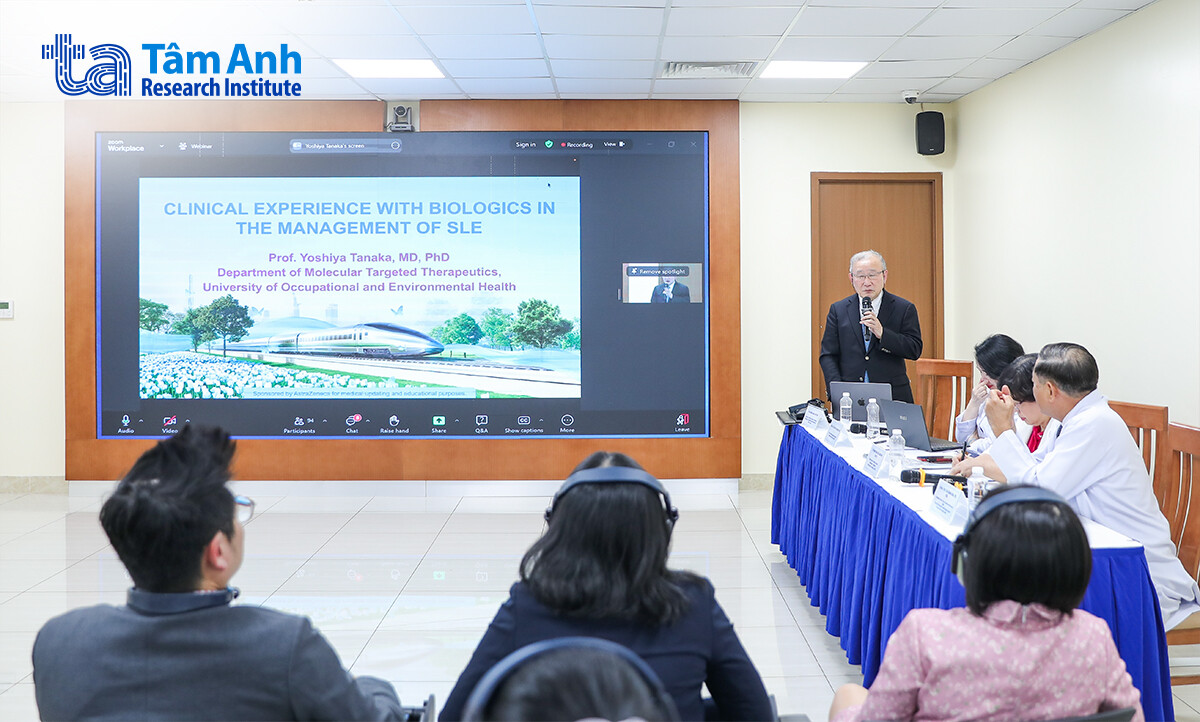
Prof. Yoshiya Tanaka presents real-world data on biologic therapies in SLE.
Real-world data from Japan show marked clinical improvement in patients treated with anifrolumab, with a substantial proportion achieving treatment response and some attaining remission. Notably, the therapy enables significant reduction in glucocorticoid dosage, with many patients able to discontinue corticosteroids entirely. Clinical benefits have been observed across cutaneous, musculoskeletal, and hematologic manifestations. The most commonly reported adverse events are mild upper respiratory tract infections.
According to Prof. Tanaka, anifrolumab is particularly suitable for patients who fail to meet treatment targets, are unable to maintain remission, or require reduction or discontinuation of corticosteroids.

A large number of healthcare professionals from the Tam Anh General Hospital Group attended the symposium both in person and online.
A new direction in SLE management
Assoc. Prof. Tran Quang Binh, Medical Director of Tam Anh General Hospital, Ho Chi Minh City, stated that biologics are becoming an integral component of modern SLE treatment strategies. While they do not replace conventional therapies, the rational combination of conventional agents, immunosuppressants, and biologics enables more effective disease control while reducing long-term treatment burden and toxicity.
The future of SLE management lies in personalized medicine, sustainable disease control, and the long-term optimization of patients’ quality of life.
Tam Anh Research Institute
- Ha Noi:
- 108 Hoang Nhu Tiep, Bo De Ward, Ha Noi
- Hotline: 024 3872 3872 – 024 7106 6858
- TP.HCM:
- 2B Pho Quang Street, Ward Tan Son Hoa, Ho Chi Minh City
- Hotline: 093 180 6858 – 0287 102 6789
- Fanpage: https://www.facebook.com/ViennghiencuuTamAnh.TAMRI
- Website: tamri.vn