
Infants born by caesarean section face an increased risk of microbial imbalance, immune dysregulation, and infection due to limited exposure to beneficial maternal bacteria. Early nutritional intervention represents a promising strategy to restore the gut microbiome and support overall infant health.
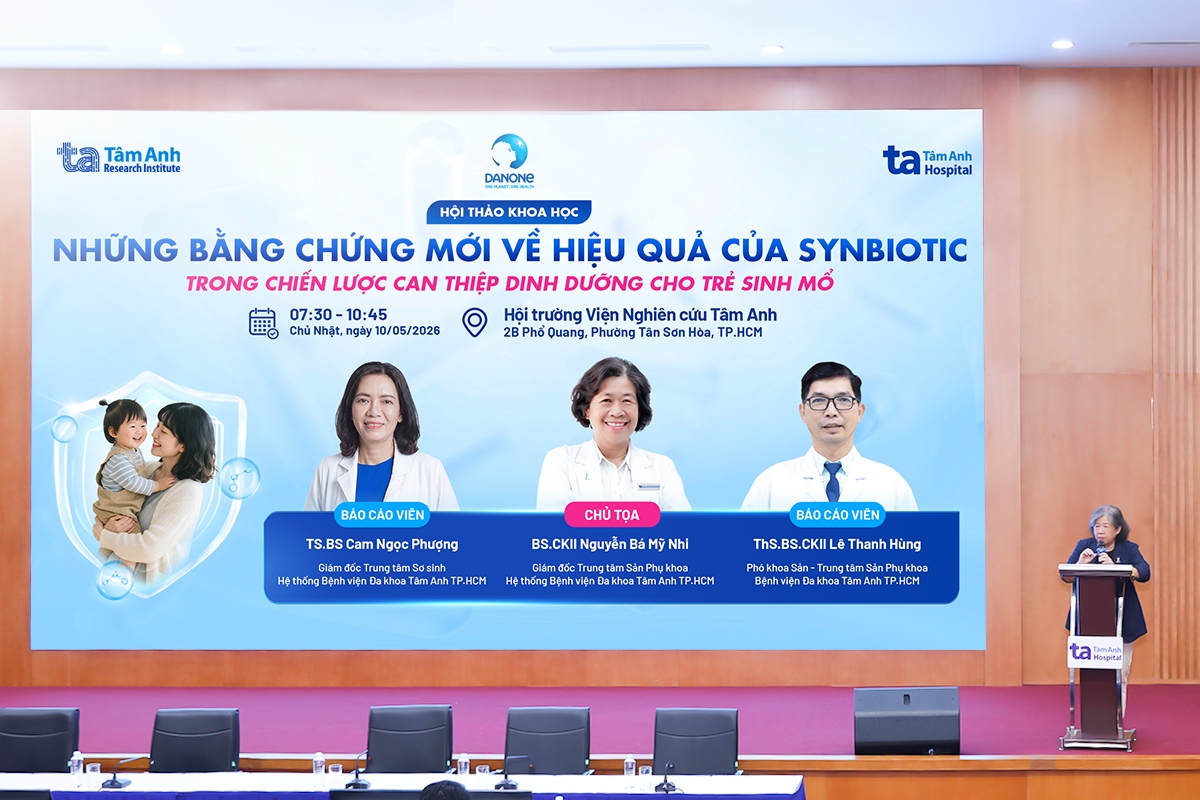
The scientific seminar provided healthcare professionals with valuable insights into the effectiveness of synbiotics as a nutritional intervention strategy for caesarean-born infants.
Dr. Nguyen Ba My Nhi – Director of the Obstetrics and Gynaecology Centre at Tam Anh General Hospital in Ho Chi Minh City, affirmed this at the scientific seminar titled “New Evidence on the Effectiveness of Synbiotics in Nutritional Intervention Strategies for Caesarean-Born Infants”, held on 10 May at the Tam Anh Research Institute, part of the Tam Anh General Hospital Group.
According to Dr. My Nhi, caesarean delivery rates are rising significantly worldwide, exceeding 50% in many countries. This trend raises an important question: Are there meaningful differences in health outcomes and long-term development between caesarean-born and vaginally born infants?
Infants born vaginally are exposed to the maternal vaginal microbiome, a critical foundation for establishing a healthy immune system. In contrast, caesarean-born infants bypass this process, resulting in disrupted early colonisation of the neonatal gut microbiome.
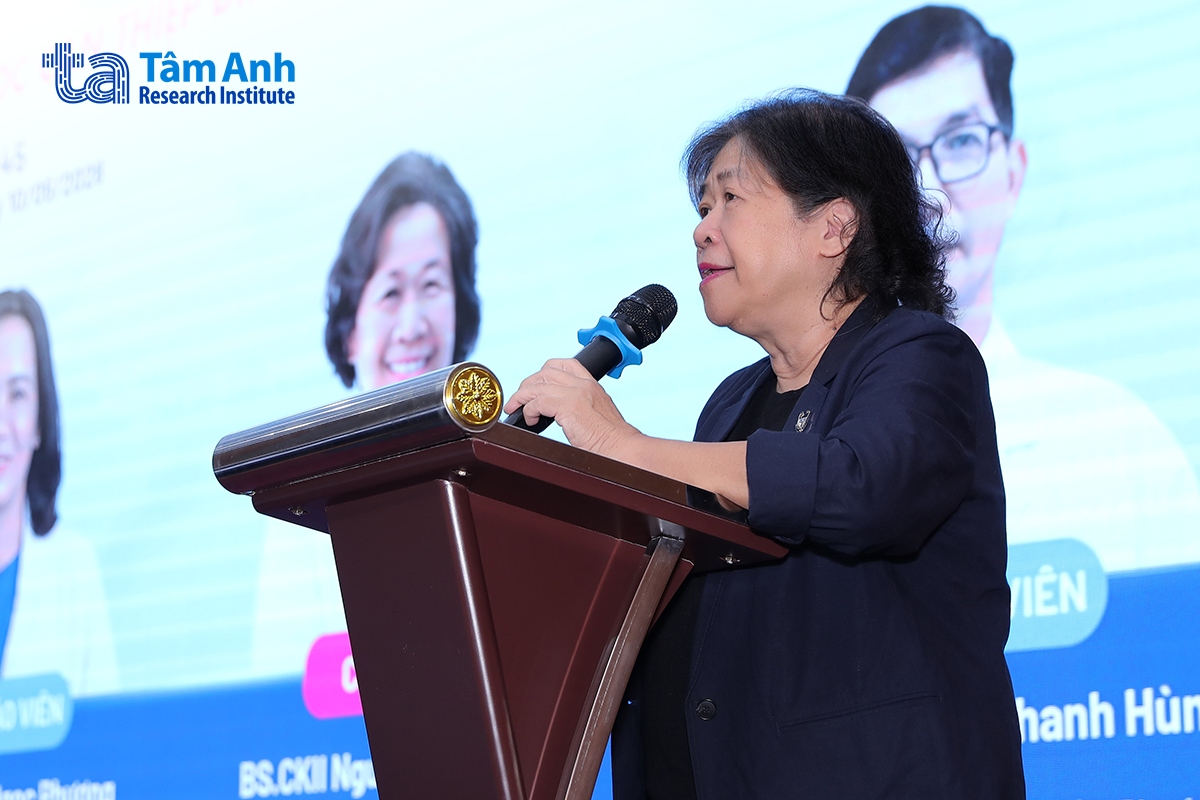
Dr. Nguyen Ba My Nhi, Director of the Obstetrics and Gynaecology Centre, speaking at the seminar.
Additionally, mothers recovering from caesarean surgery often face slower recovery, require antibiotics and pain relief, and experience reduced mobility, all of which can delay early breastfeeding and the establishment of breast milk supply, which is the optimal source of nutrition for newborns. While caesarean delivery is a necessary and life-saving intervention in many cases, scientific solutions are needed to compensate for these biological deficits.
Dr. Le Thanh Hung, Deputy Head of Obstetrics at the Obstetrics and Gynaecology Centre, Tam Anh General Hospital HCMC, noted that the WHO recommends an ideal caesarean rate of 10-15% to ensure optimal safety for both mother and child. However, rates across Southeast Asia are alarmingly high, exceeding 40% in Thailand, and ranging between 35-37% in Vietnam and Singapore.
A portion of these caesarean deliveries are elective, requested without a medical indication, driven by various factors including fear of labour pain or complications, negative prior birth experiences, the belief that caesarean delivery is safer than vaginal birth, social influence, or the desire to select an auspicious birth date for cultural or astrological reasons.

Dr. Le Thanh Hung, Deputy Head of Obstetrics, Center for Obstetrics and Gynecology, engaging in professional exchange with doctors and nurses at the event.
Research confirms that the mode of delivery plays a decisive role in shaping an infant’s early microbiome. Vaginally born infants rapidly develop a microbiome dominated by beneficial Bifidobacterium species from the maternal vaginal tract, establishing a stable foundation for digestive and immune health. Caesarean-born infants, however, often experience a significant depletion of these beneficial bacteria, creating conditions that favour the colonisation of potentially pathogenic organisms such as Klebsiella, Streptococcus, Enterococcus, and Enterobacter.
This early microbial imbalance is associated with a range of health risks, including increased susceptibility to hospitalisation due to infection, acute respiratory distress syndrome, eczema, and allergic rhinitis. In the longer term, affected children may face elevated risks of obesity, diabetes, and impaired neurodevelopment.
To reduce unnecessary caesarean rates, healthcare professionals play a key role in counselling and educating expectant mothers on the benefits of vaginal birth and the potential consequences of unnecessary surgical intervention.
In cases where caesarean delivery is unavoidable, breastfeeding remains the optimal strategy to compensate for the associated biological deficits. Breast milk provides antibodies and nutrients that promote Bifidobacterium colonisation, restore a healthy gut microbiome, and support the development of the infant immune system.
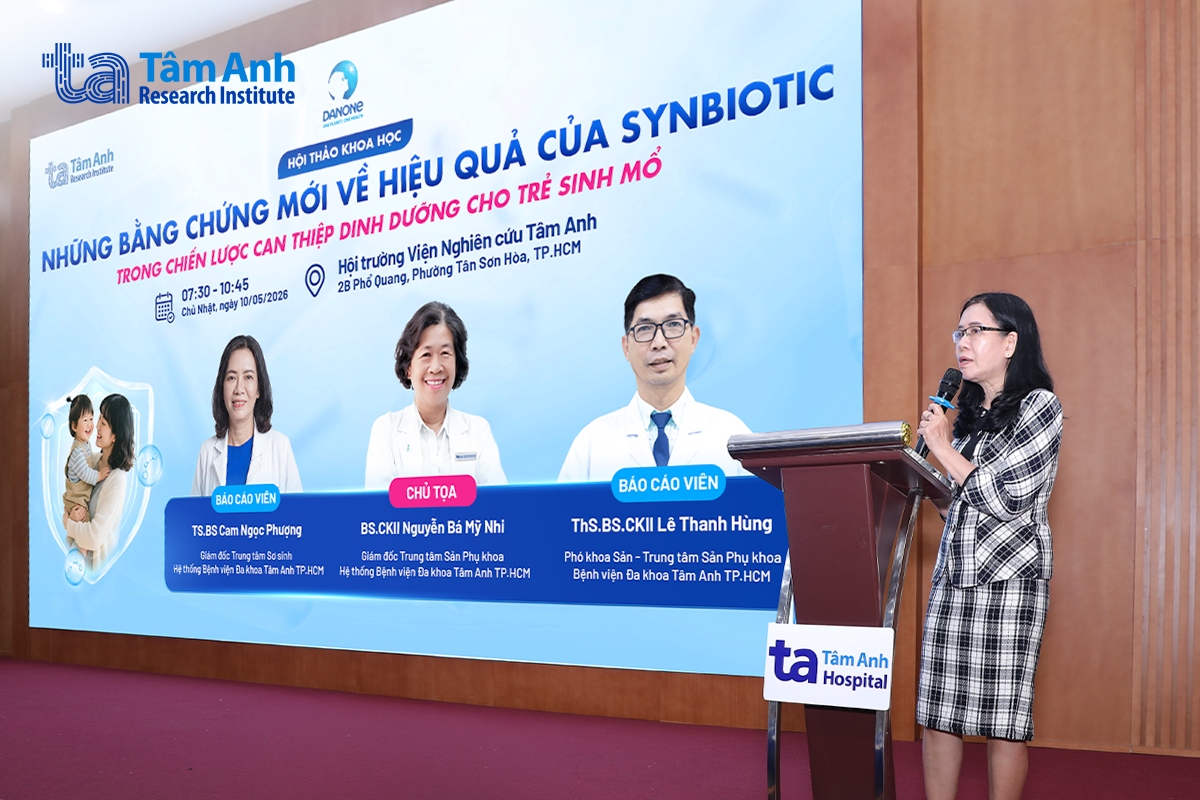
Dr. Cam Ngoc Phuong, Director of the Neonatology Center, presenting her report at the seminar.
Sharing this view, Dr. Cam Ngoc Phuong, Director of the Neonatal Centre at Tam Anh General Hospital HCMC, highlighted that breast milk supplies essential nutrients, including protein (8-10 g/L), fat (30-50 g/L), carbohydrates, and vitamins, and contains over 200 distinct human milk oligosaccharides (hMOs) at concentrations of 3-15 g/L.
These hMOs function as prebiotics, acting as selective substrates that preferentially nourish beneficial gut bacteria, particularly Bifidobacterium species. By promoting a healthy gut microbiome, hMOs enhance intestinal barrier function and modulate immune responses, stimulating immune cell maturation, inhibiting pathogen adhesion, and reducing the risk of neonatal infection. Breast milk also directly transfers live probiotic bacteria from mother to infant via the gut-mammary axis.
Early nutritional intervention with synbiotics, a combination of prebiotics and probiotics, helps compensate for the delayed Bifidobacterium colonisation commonly observed in caesarean-born infants, mimicking the gut environment of vaginally born infants. Synbiotics promote the growth of beneficial bacteria while suppressing pathogenic organisms. From an immunological perspective, this combination increases secretory IgA (sIgA) concentrations, providing local intestinal immunity, while reducing IgE levels, which mediate allergic responses.
Based on current research findings, synbiotics offer significant benefits in restoring gut microbiome balance and compensating for microbial deficiencies, making them an optimal solution for infants who are not exclusively breastfed, while also reducing allergy risk and strengthening the immune barrier from the earliest stages of life.

The seminar on new evidence regarding the efficacy of synbiotics attracted a large number of healthcare professionals.
The scientific seminar “New Evidence on the Effectiveness of Synbiotics in Nutritional Intervention Strategies for Caesarean-Born Infants” drew strong interest from a large number of attending physicians and healthcare professionals. The medical knowledge shared at this event has been standardised and integrated directly into clinical practice across the Tam Anh General Hospital Group in Ho Chi Minh City.
Tam Anh Research Institute
- Ha Noi:
- 108 Hoang Nhu Tiep, Bo De Ward, Ha Noi
- Hotline: 024 3872 3872 – 024 7106 6858
- TP.HCM:
- 2B Pho Quang Street, Ward Tan Son Hoa, Ho Chi Minh City
- Hotline: 093 180 6858 – 0287 102 6789
- Fanpage: https://www.facebook.com/ViennghiencuuTamAnh.TAMRI
- Website: tamri.vn