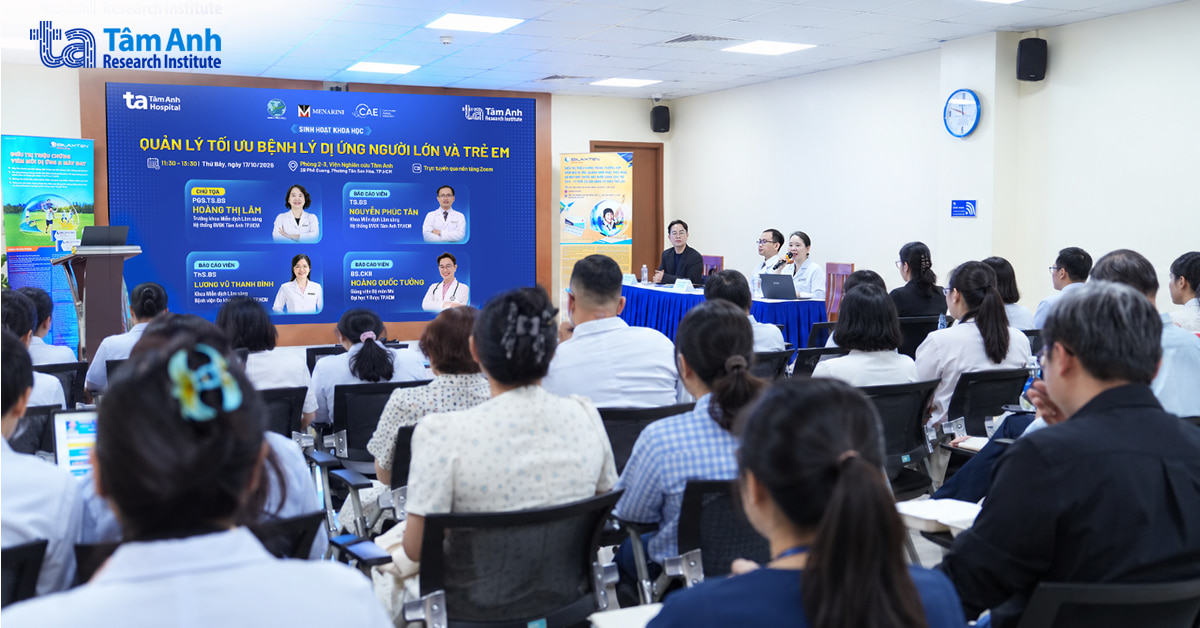
The burden of respiratory infections in older adults, particularly those with underlying medical conditions, was examined in depth by medical experts at a scientific seminar held on October 16, 2026, organized by Tam Anh General Hospital Group in Ho Chi Minh City. The seminar also highlighted the role of proactive vaccination in preventing pneumococcal disease and respiratory syncytial virus (RSV) infection.
The regular scientific seminar, titled “Pneumococcal and respiratory syncytial virus prevention: A dual shield for older adults,” brought together experts from Tam Anh General Hospital in HCMC. The presentations focused on respiratory infection risks in older adults, potential complications, and preventive strategies to reduce the disease burden in this population.
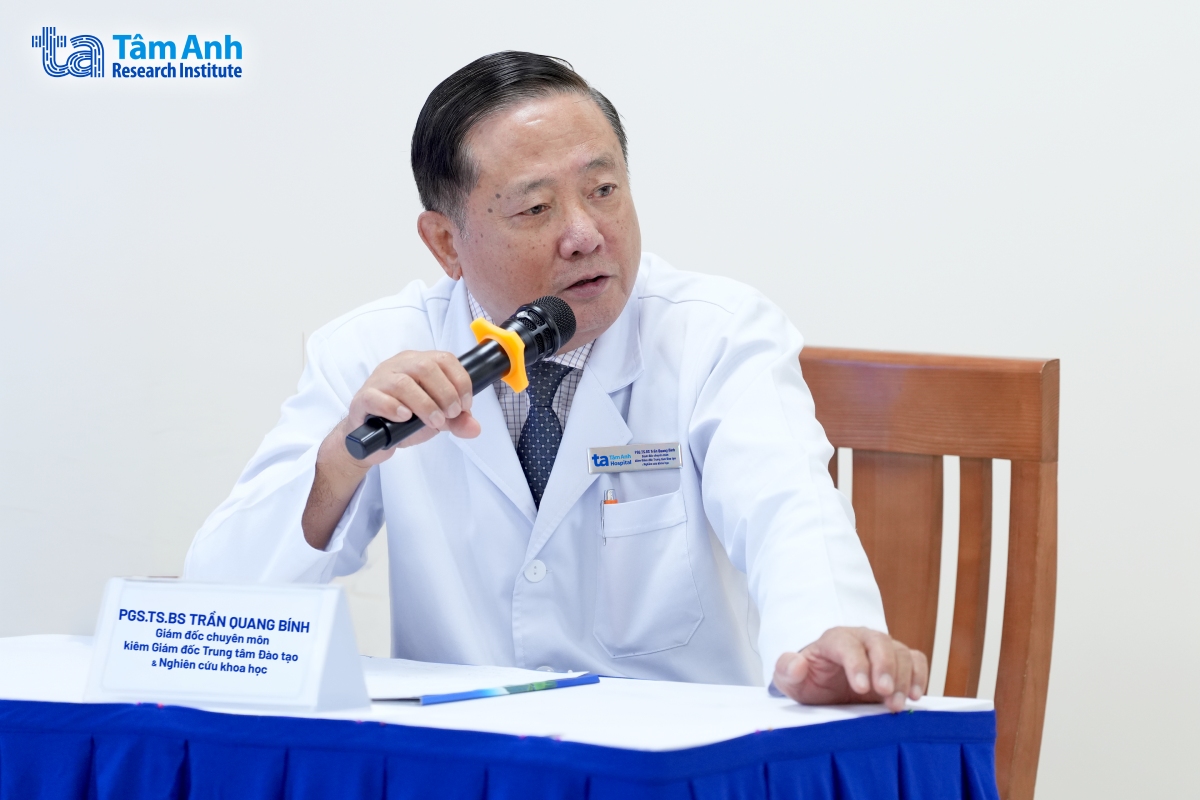
Associate Professor Tran Quang Binh, MD, PhD, Chief Medical Officer of Tam Anh General Hospital Group in HCMC, led the scientific seminar on October 16, 2026.
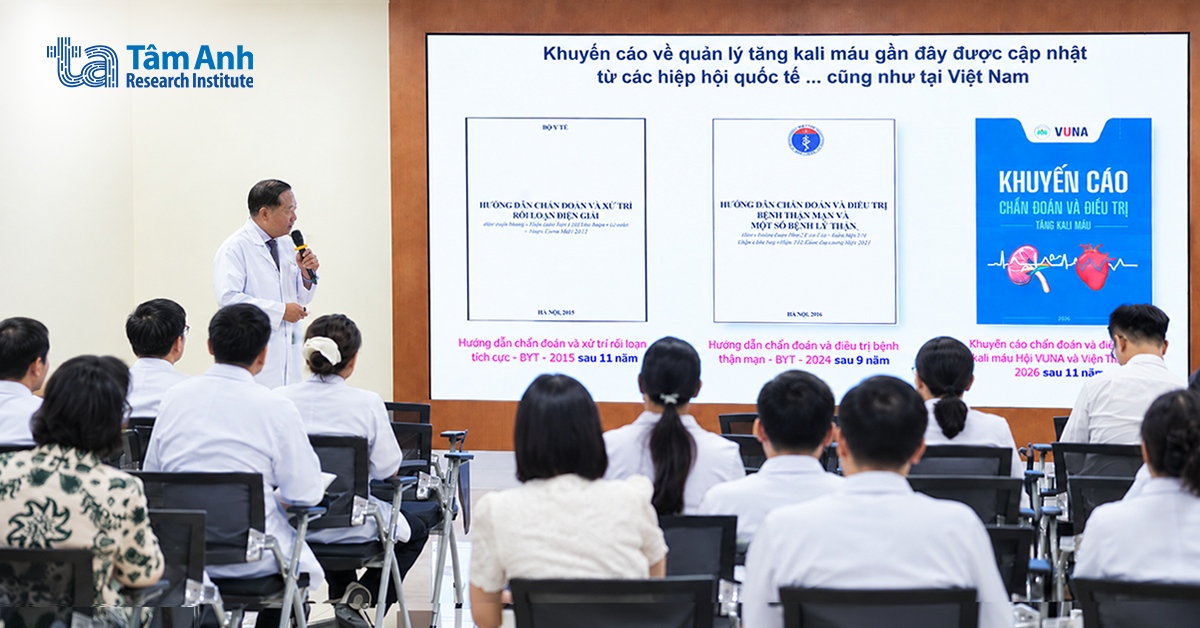
In his presentation, “Prevention of respiratory infections in older adults with underlying conditions,” Ma Thanh Phong, MD, Head of the Respiratory Unit, Department of General Internal Medicine at Tam Anh General Hospital in HCMC, discussed age-related changes in the immune system and their association with the risk of lower respiratory tract infections.
According to Dr. Phong, aging leads to a decline in immune function, while chronic conditions such as diabetes, kidney disease, cardiovascular disease, and chronic lung disease can further increase the risk of infection. In older adults, respiratory infections can not only affect the lungs but also worsen underlying conditions, increasing the risk of hospitalization and death.

Dr. Ma Thanh Phong, cited reports highlighting pneumococcus as one of the leading causes of lower respiratory tract infections and death.
Dr. Phong cited data from the 2021 Global Burden of Disease study, which estimated that lower respiratory tract infections caused approximately 344 million cases of illness and 2.18 million deaths worldwide. Streptococcus pneumoniae, also known as pneumococcus, was identified as one of the major causative pathogens. Dr. Phong noted that S. pneumoniae accounted for the largest share among the reported pathogens, at approximately 23%, with around 97.9 million cases and 505,000 deaths attributed to it, excluding COVID-19.
The disease burden increases significantly with age. Older adults, particularly those with multiple coexisting conditions, face a higher risk of complications from pneumonia and other lower respiratory tract infections. Prevention should therefore be considered an integral part of long-term healthcare strategies, rather than focusing solely on treatment after symptoms develop.
Building on these findings, Dr. Phong explained the role of pneumococcal vaccines in preventing community-acquired pneumonia and invasive pneumococcal disease. He also discussed the risk of severe complications from pneumococcal infection, newer-generation pneumococcal vaccines that cover a broader range of disease-causing serotypes, and vaccination recommendations for adults.
International clinical guidelines increasingly emphasize pneumococcal vaccination for at-risk adults, including older people and those with chronic conditions. Pneumococcal vaccines are broadly classified into polysaccharide vaccines (PPVs) and conjugate vaccines (PCVs). According to Dr. Phong, conjugate vaccines elicit a stronger immune response than polysaccharide vaccines, while polysaccharide vaccines alone do not induce the same booster immune response. He explained that pneumococcal conjugate vaccines may require only one dose, whereas polysaccharide vaccines may require revaccination every five years, potentially making it easier for people to complete their vaccination schedules.
Newer-generation PCVs are also helping simplify vaccination schedules. Dr. Phong noted that vaccine selection and the appropriate schedule should be based on age, underlying medical conditions, vaccination history, and the clinical recommendations applicable at the time of consultation.
The seminar continued with a presentation by Tran Thi Thanh Truc, MD, Head of the Department of General Internal Medicine at Tam Anh General Hospital in HCMC. Her presentation was titled “Intervention strategies against respiratory syncytial virus subtypes A and B.”

Dr. Tran Thi Thanh Truc presented evidence on the serious complications of RSV in adults, particularly older adults with underlying medical conditions.
Dr. Truc emphasized that respiratory syncytial virus (RSV) is not only a cause of illness in young children but can also cause severe lower respiratory tract infections in adults, particularly those aged 60 and older and people with underlying medical conditions. RSV infection can lead to pneumonia, low blood oxygen levels, respiratory failure, hospitalization, or intensive care.
Importantly, the effects of RSV extend beyond the respiratory system. In people with underlying cardiovascular, respiratory, or metabolic conditions, an RSV infection may trigger acute exacerbations of chronic obstructive pulmonary disease (COPD), heart failure, coronary events, or cardiac arrhythmias. Following an acute illness, some older adults may also experience physical decline, frailty, and reduced ability to care for themselves.
Another key focus of the presentation was the circulation of the two RSV subtypes, RSV-A and RSV-B. Both subtypes may circulate during the same season, while the predominant subtype can change over time. Therefore, prevention strategies should take both subtypes into account rather than focusing on only one.
Dr. Truc also presented evidence on RSV vaccine effectiveness from clinical trials and real-world studies. According to US real-world data presented at the seminar, the bivalent RSV prefusion F (RSVpreF) vaccine demonstrated 81% effectiveness in preventing hospitalization or emergency department visits for RSV-associated lower respiratory tract disease during the first season after vaccination, and 75% during the second season. Subgroup analyses showed effectiveness against both RSV-A and RSV-B.
These findings add to the scientific evidence supporting RSV prevention strategies for older adults. However, real-world vaccine effectiveness may vary depending on the study population, outcome measures, and follow-up period. The reported figures do not mean that vaccination completely eliminates the risk of infection or complications.