As people age, their immune system gradually declines, putting older adults at high risk of the combined impact of viruses from within and outside the body, notably those causing shingles and respiratory syncytial virus (RSV) infection. However, these diseases can be prevented through vaccination.
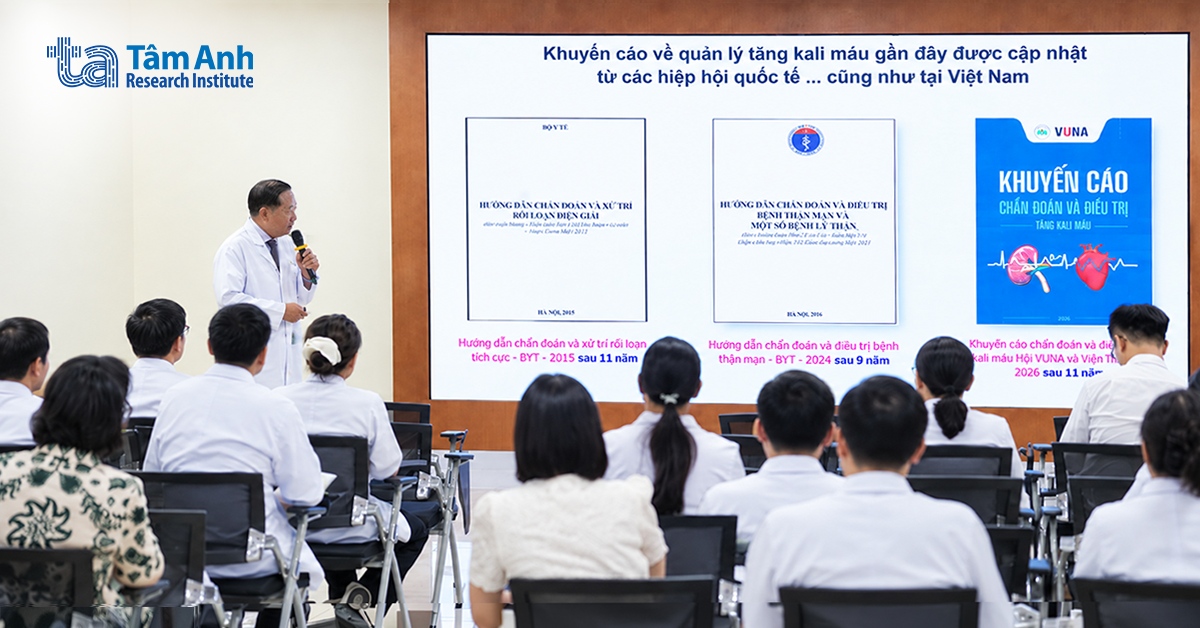
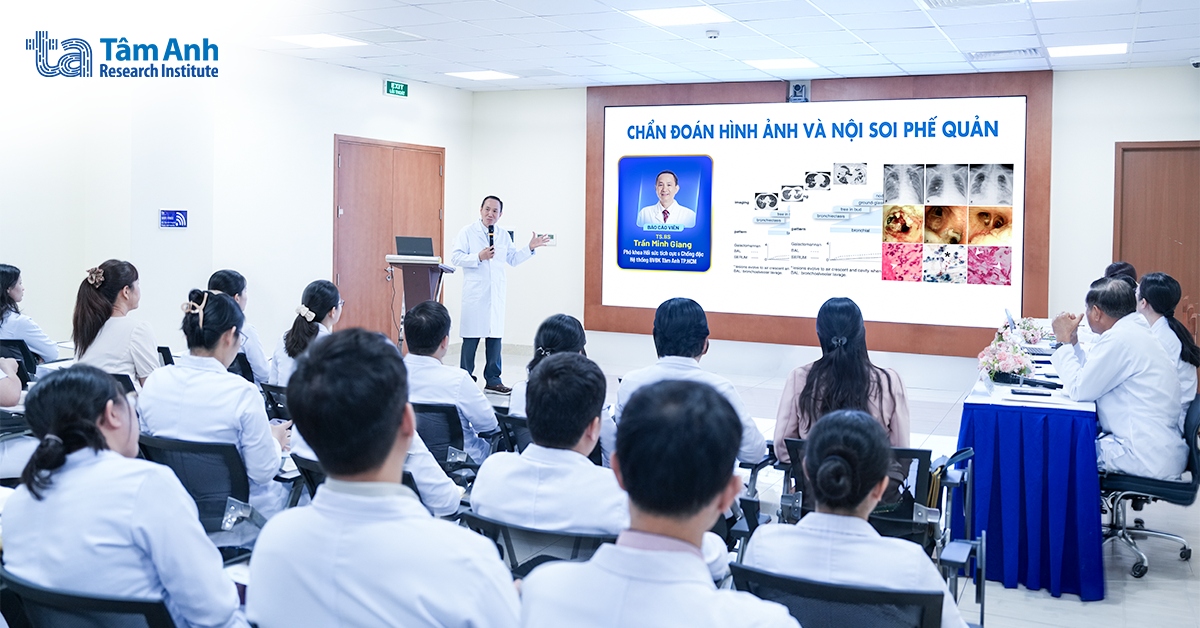
Experts shared this information at the scientific symposium “The role of shingles and RSV prevention in patient health management toward an era of healthy aging” held at Tam Anh General Hospital Ho Chi Minh City (HCMC) on September 10.
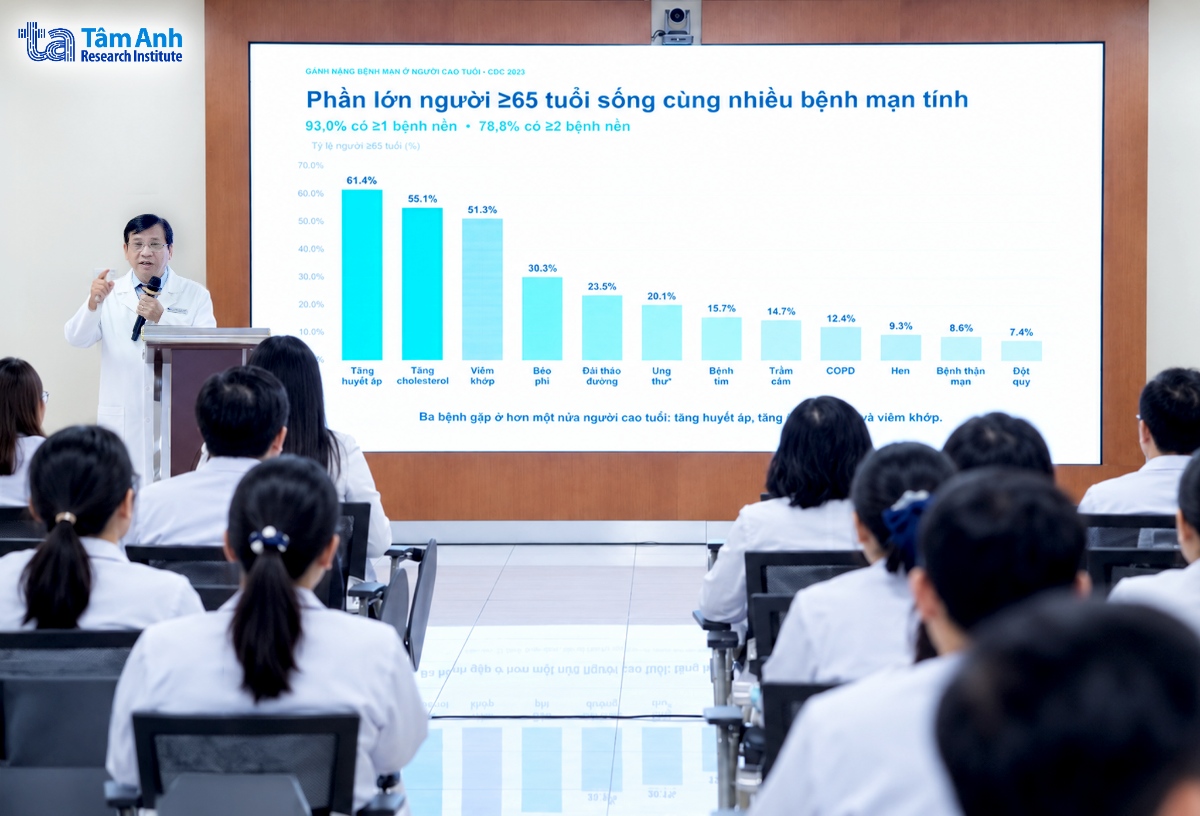
Dr. Lam Van Hoang discusses population aging and the risk of shingles in older adults
Dr. Lam Van Hoang, Head of the Department of Endocrinology and Diabetes at Tam Anh General Hospital HCMC, said that population aging is progressing rapidly. By 2036, Vietnam is expected to become an aged society, with more than 20% of its population aged 60 and older.
Immune function declines with age. The older a person gets, the more their immune system weakens. Older patients with underlying conditions are at high risk of the combined impact of viruses from within and outside the body, including Varicella-Zoster Virus (VZV), which causes shingles. The disease results from virus-induced damage to nerve cells and can cause complications affecting the eyes, nerve pain, blood vessels, and skin.
Along with the appearance of skin blisters, patients may experience pain lasting for months, even after the shingles rash has healed. Shingles-related pain can result from inflammation of nerve endings, with symptoms such as pain triggered even by light touch. Prolonged pain can also occur when spontaneous nerve signals travel along nerve fibers.
Most people over 65 live with multiple chronic conditions, significantly increasing their risk of developing shingles. The greater the number of chronic conditions, the higher the risk of developing the disease, which may contribute to cardiovascular and renal events.
Studies show that the risk of shingles increases by 38% in people with diabetes and rises further among patients who also have cardiovascular disease or chronic obstructive pulmonary disease (COPD). The risk also increases by 29% in people with chronic kidney disease, 25% in patients with asthma, and 49% in patients with COPD. However, the disease can be prevented through vaccination, with recombinant zoster vaccine recommended for people aged 50 and older or younger individuals who are immunocompromised.
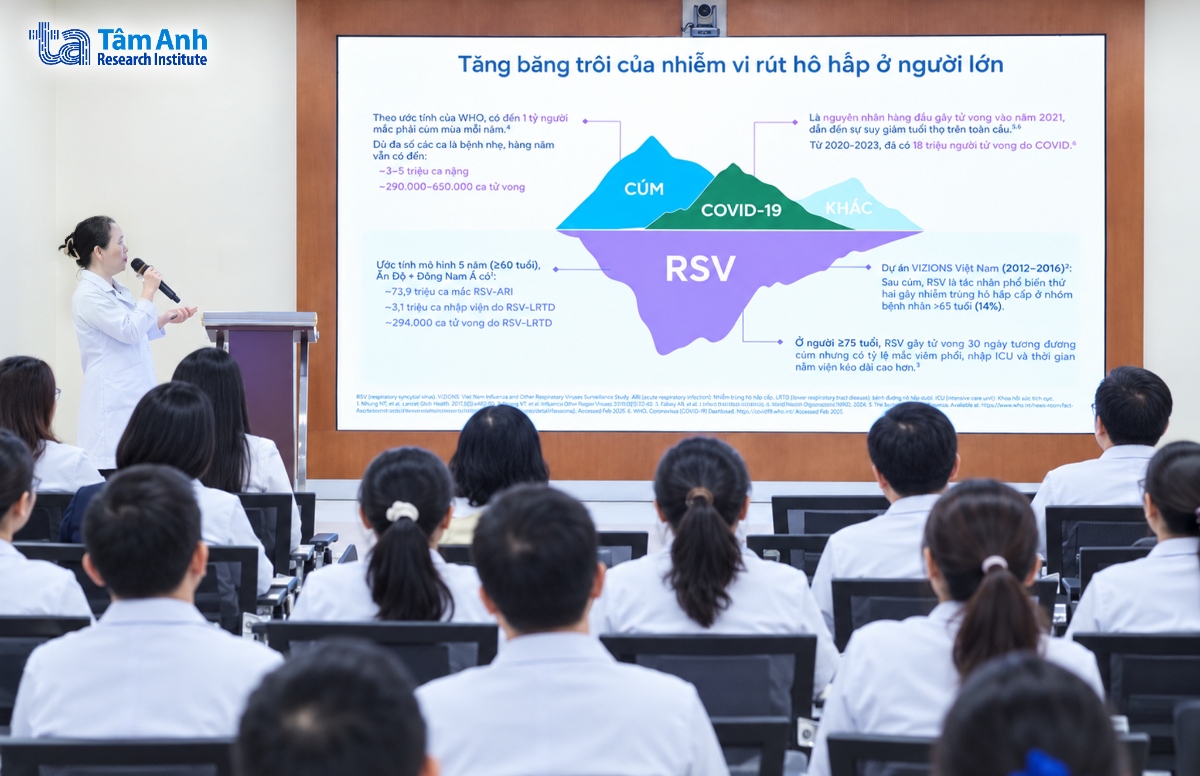
Dr. Hoang Thi Lam highlights the burden of RSV in older adults
Assoc. Prof. Hoang Thi Lam, Head of the Department of Clinical Immunology at Tam Anh General Hospital HCMC, highlighted another aspect of the burden of respiratory syncytial virus (RSV) infection in older adults.
RSV can cause serious conditions in older adults, including cardiovascular complications and acute exacerbations of asthma and COPD, which can lead to pneumonia, ICU admission, and death.
RSV can affect people of all ages. Older adults face a higher risk of severe infection, and the risk is even greater among those with comorbidities. However, the disease burden of RSV in adults remains underestimated compared with that in children. The gap in the RSV disease burden has not been quantified due to a lack of data.
Dr. Lam said that age is a factor that increases the risk of severe RSV infection requiring hospitalization, particularly among people with underlying conditions. Older adults are at higher risk of severe RSV due to immunosenescence and dysregulated immune responses, which can lead to pneumonia, exacerbations of underlying conditions, cardiovascular complications, ICU admission, and even death.
In a modeling study of people over 60, Vietnam was estimated to have approximately 4.6 million cases of acute respiratory infection due to RSV, more than 200,000 hospitalizations, and around 18,000 deaths due to RSV over a five-year period. Underlying conditions such as diabetes, cardiovascular disease, and respiratory diseases are independent risk factors that increase the severity of RSV infection in older adults.
Significant challenges remain in diagnosis, there is currently no specific treatment for RSV, and the true disease burden remains underestimated. RSV vaccination may help reduce the healthcare cost burden by significantly reducing RSV-related hospitalizations and deaths. This is a potential solution for reducing the disease burden among older adults.
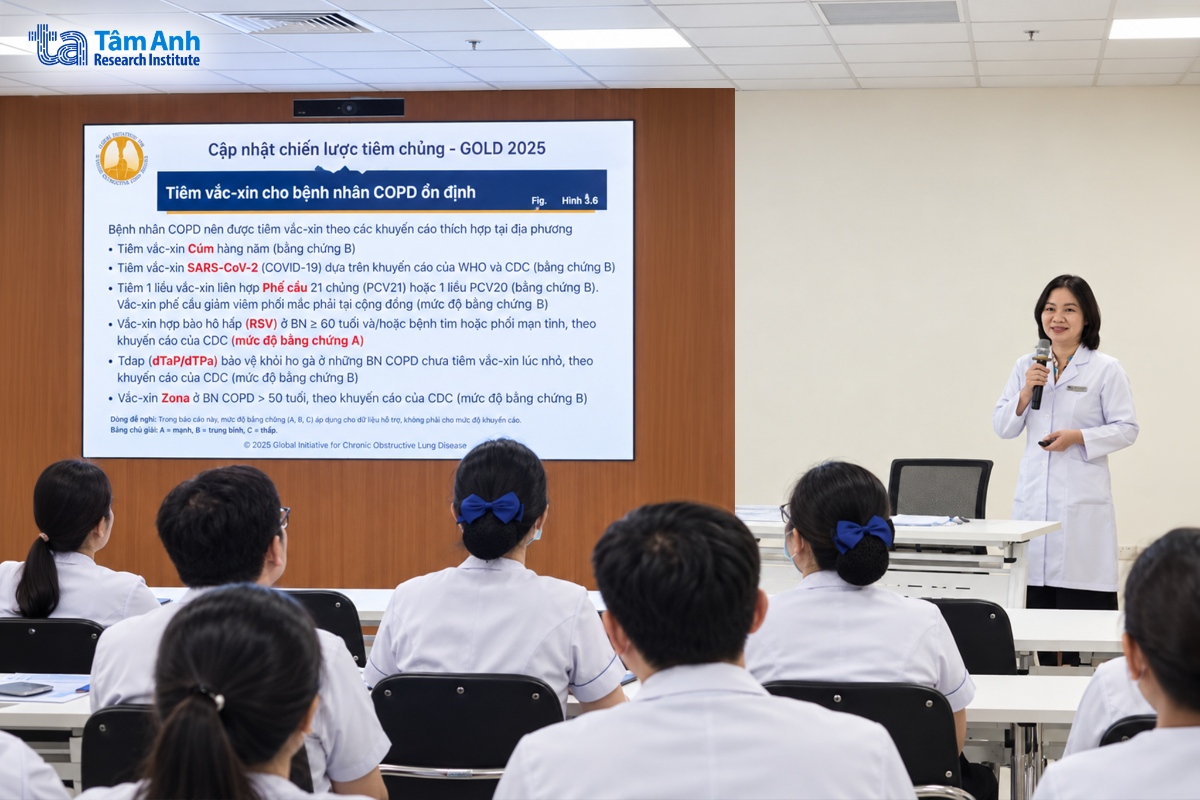
Dr. Pham Thi Thanh Tam highlights the value of adjuvanted vaccines in extending immunity in older adults
Dr. Pham Thi Thanh Tam, Head of the Internal Medicine Unit at Tam Anh General Hospital Ho Chi Minh City (Tan Hung Ward site), highlighted the value of adjuvanted vaccines in addressing the challenges of immunosenescence.
According to Dr. Tam, immune responses in older adults are weaker than those in younger people. Therefore, prevention has become an important link in comprehensive health management strategies for patients with underlying conditions. Both the GOLD 2025 vaccination strategies and the Vietnam Respiratory Society 2025 recommendations recommend RSV vaccination for people aged 60 and older and shingles vaccination for people aged 50 and older.
Adjuvanted vaccine formulations help enhance immunogenicity in the context of immunosenescence. The AS01 adjuvant system induces immune responses in older adults, activating innate immunity and enhancing adaptive immunity to help overcome age-related immune decline.
Adjuvanted vaccines have been studied and developed to help overcome immunosenescence. For example, the AS01-adjuvanted shingles vaccine has demonstrated up to 97.2% efficacy in preventing shingles in people over 50, with protection maintained for 11 years after vaccination.
The recombinant RSVPreF3 vaccine with the AS01 adjuvant helps protect older adults against lower respiratory tract diseases caused by both RSV-A and RSV-B for up to three RSV seasons, with efficacy reaching 94.6% in people over 60 who have at least one comorbidity.
Adjuvant systems play a key role in enhancing and prolonging cellular and humoral immune responses, helping vaccines overcome the barrier of immunosenescence and provide longer-lasting protection in older adults.