Hyperkalemia is a common electrolyte disorder, particularly among patients with chronic kidney disease (CKD), heart failure, and diabetes. When blood potassium levels rise significantly, patients may face conduction abnormalities, cardiac arrhythmias, and potentially life-threatening complications. In patients with CKD, hyperkalemia can recur and make it challenging for physicians to maintain foundational therapies that provide cardiovascular and renal benefits.
To update clinicians on recent advances in the recognition and management of acute hyperkalemia, as well as the long-term management of chronic hyperkalemia, Tam Anh General Hospital Group organized a scientific seminar titled “Updates in the management of acute and chronic hyperkalemia” on August 24, 2026. The program was chaired by Assoc. Prof. Tran Quang Binh, MD, PhD, Medical Director of Tam Anh General Hospital Group in Ho Chi Minh City, and featured two presentations by Dr. Ta Phuong Dung, Deputy Director of the Center for Urology, Nephrology and Andrology, Tam Anh General Hospital Group in Ho Chi Minh City (HCMC), and Dr. Vuong My Dung, Deputy Head of the Intensive Care and Poison Control Department at Tam Anh General Hospital in HCMC.
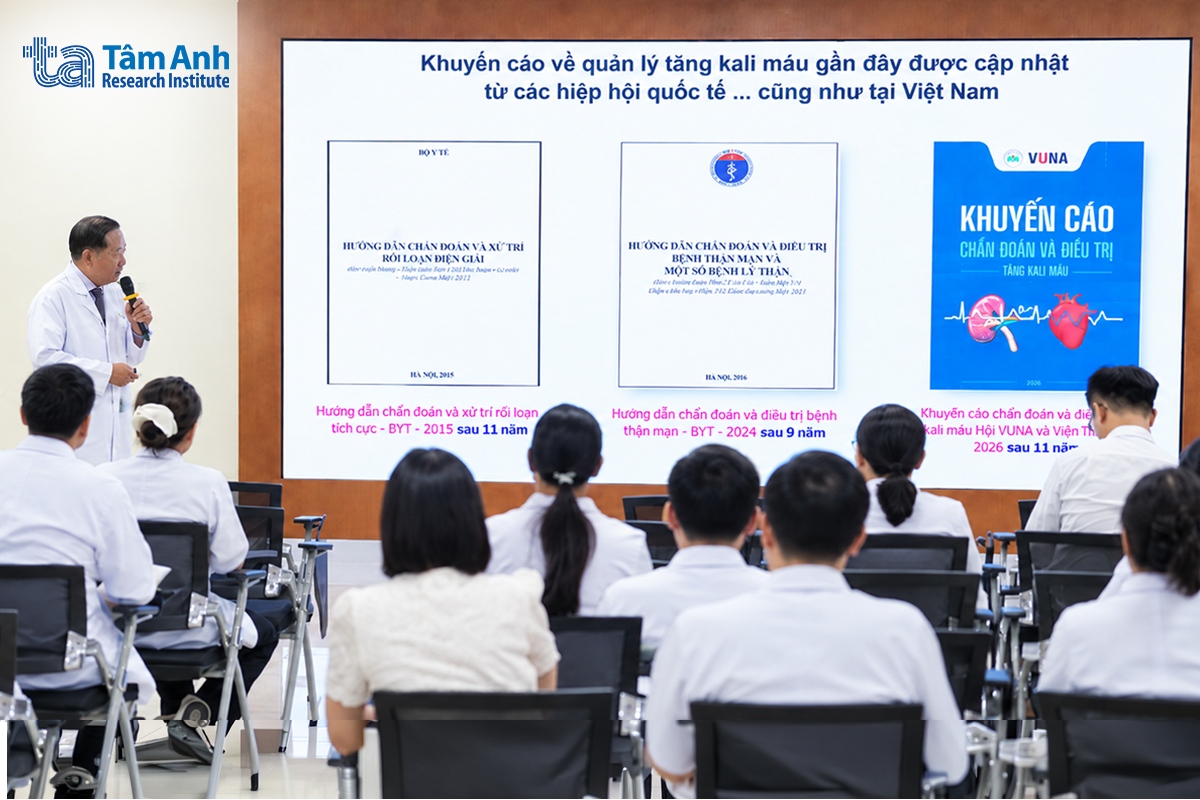
Assoc. Prof. Tran Quang Binh, MD, PhD, chaired the presentations and discussion sessions during the scientific seminar on August 24, 2026.
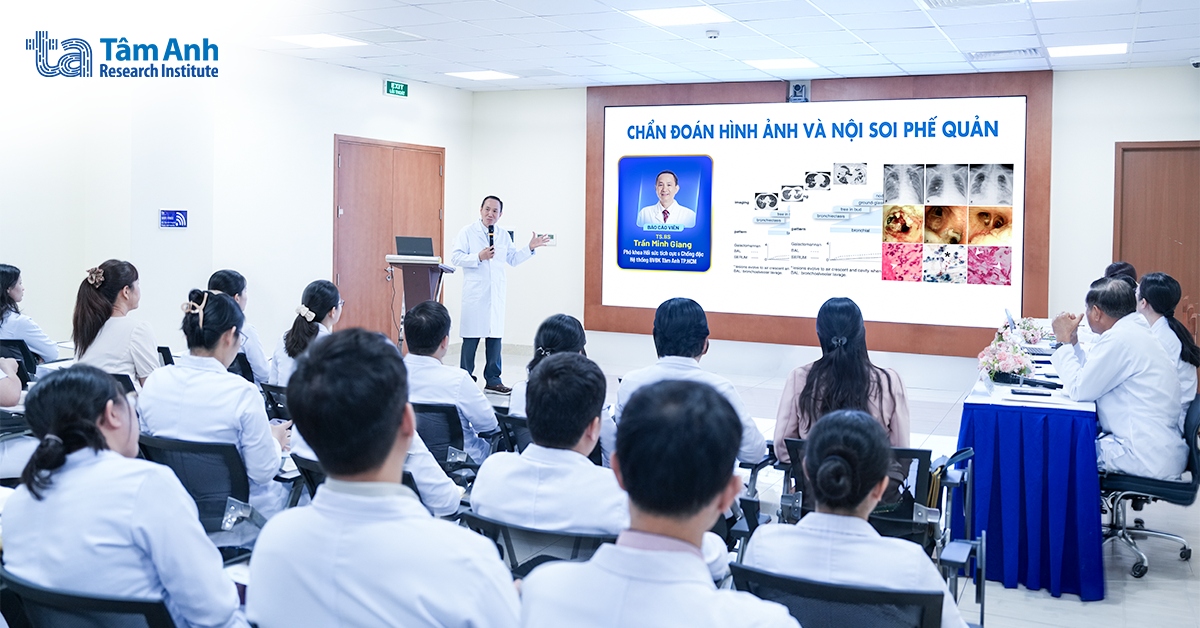
Opening the program, Dr. Vuong My Dung presented “Acute hyperkalemia in the ICU: Risk recognition and effective management,” focusing on the disease burden, high-risk patient groups, and principles of emergency management. According to the presentation, the prevalence of hyperkalemia tends to increase as kidney function declines, particularly in patients with advanced CKD. The condition is also associated with higher risks of hospitalization and mortality.
The presentation also provided updates on the 2025 recommendations from ILCOR, AHA, and ERC. Insulin-glucose was identified as an effective treatment for shifting potassium from the bloodstream into cells, while salbutamol can be used as an adjunctive therapy in patients who are not experiencing cardiac arrest.

Dr. Vuong My Dung presented updates on risk recognition and the management of acute hyperkalemia in the ICU, with a focus on severity assessment and timely potassium-lowering strategies.
Moving from acute management to long-term care, Dr. Ta Phuong Dung focused on the management of chronic hyperkalemia in patients with CKD. The presentation showed that the risk of hyperkalemia increases significantly as kidney function declines, particularly in patients with CKD stages 3b to 5. Hyperkalemia is also associated with a higher risk of mortality among patients receiving hemodialysis.
One major challenge is that hyperkalemia may require physicians to reduce the dose or discontinue RAAS inhibitors (RAASi) and mineralocorticoid receptor antagonists (MRAs), which play a foundational role in the treatment of CKD, hypertension, and heart failure. Therefore, the goal of management is not only to bring potassium levels back to a safe range but also to control potassium levels so that patients can continue indicated foundational therapies.
In this context, the presentation highlighted the role of newer potassium binders, including sodium zirconium cyclosilicate (SZC) and patiromer, in managing hyperkalemia. SZC works in the gastrointestinal tract by selectively binding potassium ions and increasing potassium excretion in the stool. The presentation also updated clinical data indicating that early combination of SZC with standard treatment for acute hyperkalemia may reduce potassium levels more rapidly than standard treatment alone.
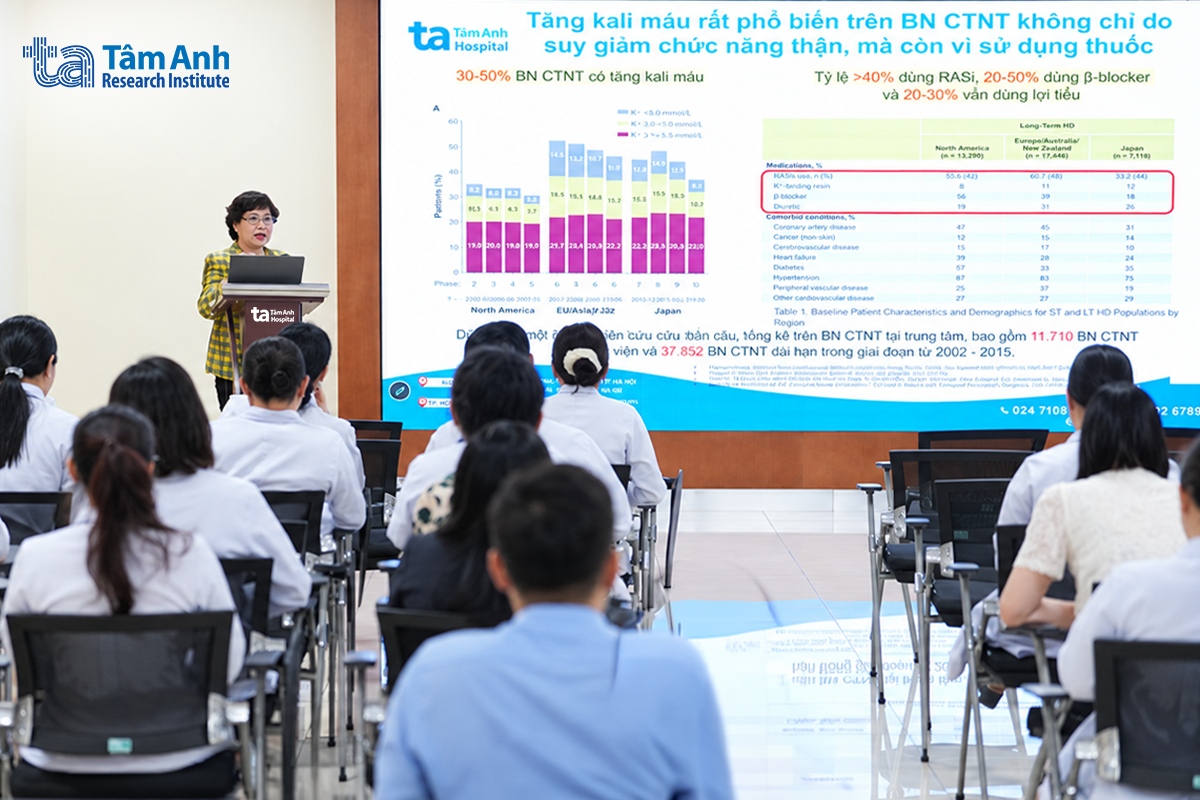
Dr. Ta Phuong Dung shared updates on new therapies for chronic hyperkalemia management in patients with CKD, with the goal of controlling potassium levels while optimizing foundational treatment.
The presenters emphasized that hyperkalemia management should be individualized according to the severity of potassium elevation, underlying cause, comorbidities, and risks of each patient. Notably, the 2026 updates from the Vietnam Society of Critical Care, Emergency Medicine and Toxicology and the Vietnam Society of Nephrology provide clearer thresholds and algorithms for the management of hyperkalemia, while also emphasizing the role of newer potassium binders in controlling chronic hyperkalemia.
In addition to the presentations, a discussion session on a multidisciplinary model for hyperkalemia management provided an opportunity for specialists in critical care, nephrology, and related fields to exchange clinical perspectives. Through the program, the organizers aimed to promote early detection and timely management of acute hyperkalemia, while proactively controlling the risk of recurrence to protect cardiac and renal function and optimize foundational therapies for patients.