Controlling hypertension, dyslipidemia, and metabolic disorders through comprehensive and optimized treatment protocols helps limit severe cardiovascular complications, thereby improving patients’ quality of life.

Prof. Vo Thanh Nhan, MD, PhD, Director of the Interventional Cardiology Center (third from right), with speakers at the specialized scientific symposium on September 14.
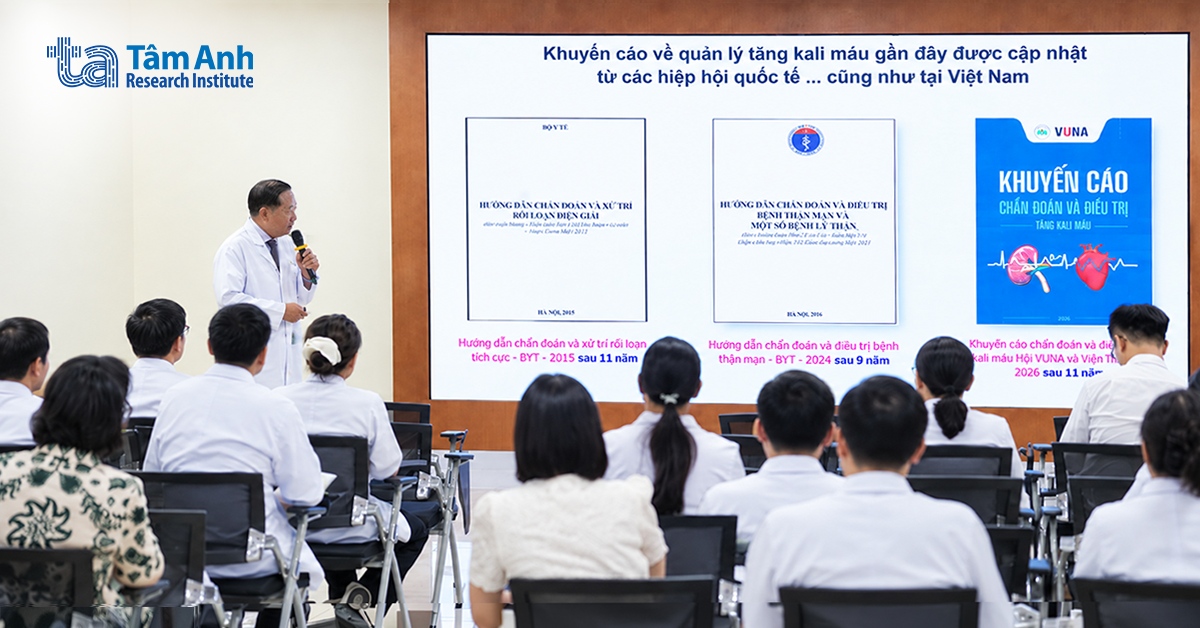
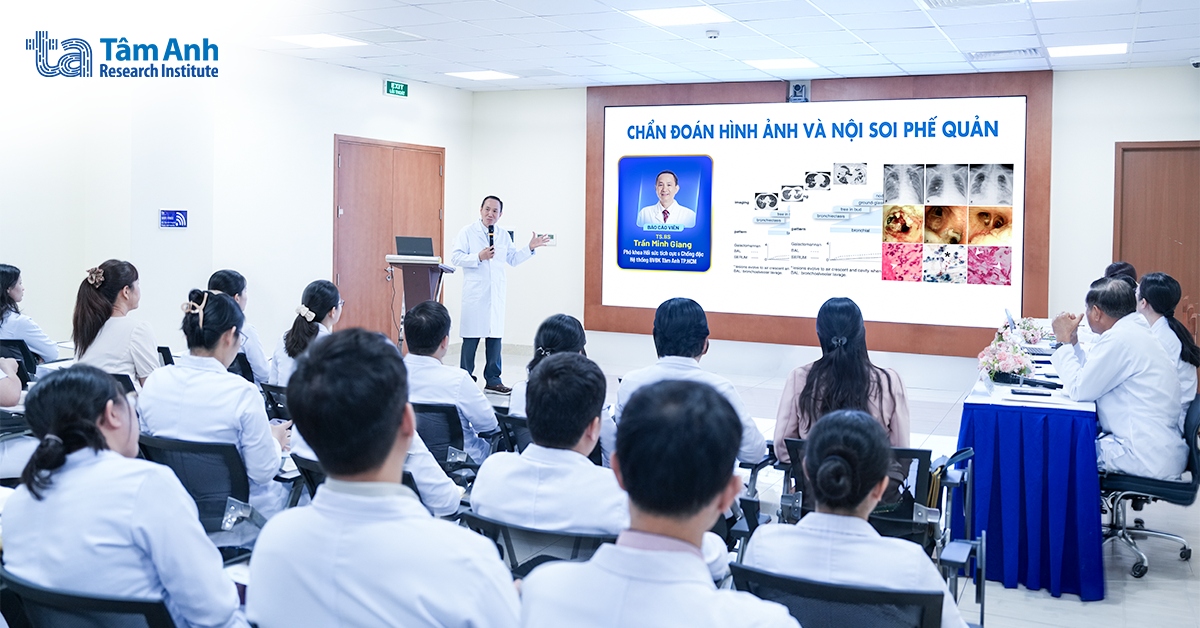
These insights were shared by experts and physicians from Tam Anh General Hospital Group in Ho Chi Minh City (HCMC) at the specialized scientific symposium titled “Updates on the diagnosis and treatment of Cardiovascular – Kidney – Metabolic diseases.” The event took place on September 14 at the Tam Anh Research Institute under Tam Anh General Hospital Group, attracting a large number of physicians and healthcare professionals.
According to Prof. Vo Thanh Nhan, MD, PhD, Director of the Interventional Cardiology Center, in the management of medical conditions such as hypertension, diabetes, and dyslipidemia, controlling blood pressure, blood glucose, and LDL-cholesterol is the primary and essential objective for bringing these parameters within safe ranges. However, focusing solely on each condition individually may overlook the overall picture of cardiovascular-kidney-metabolic risk.
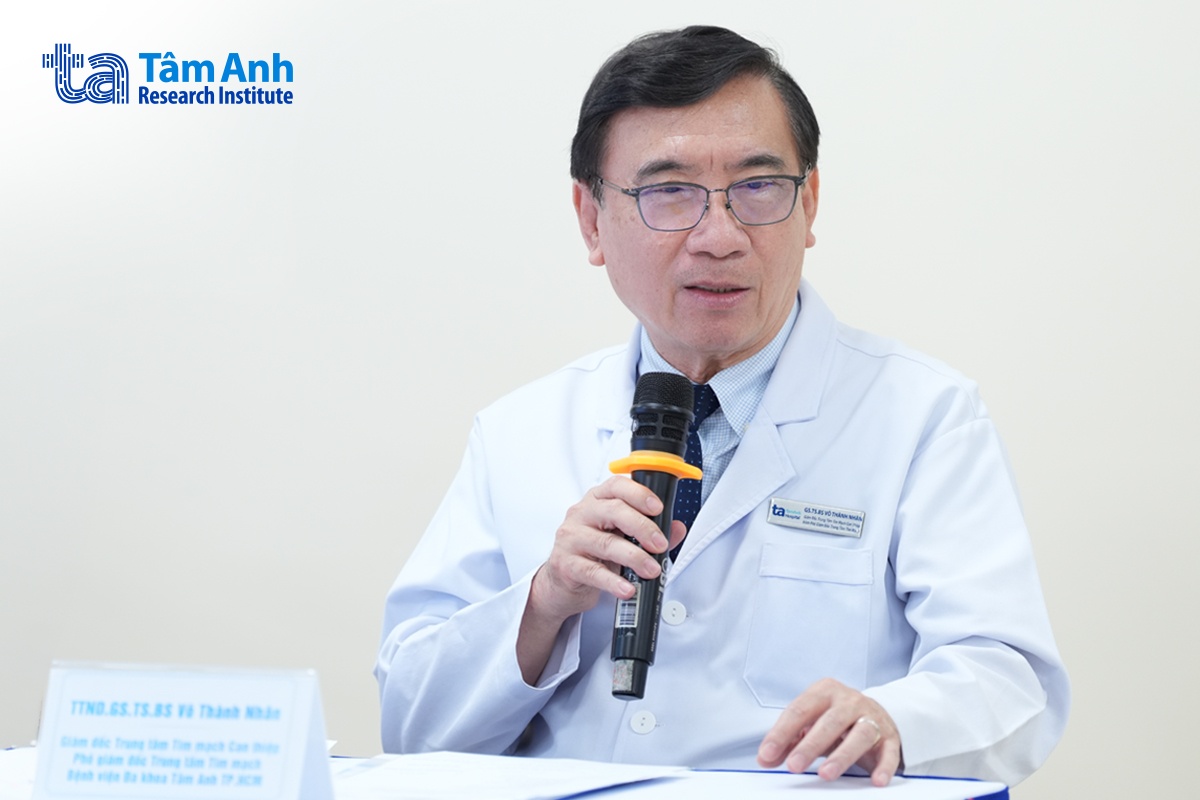
Prof. Vo Thanh Nhan discusses with physicians at the scientific symposium.
In reality, the combination of hypertension, dyslipidemia, and metabolic disorders can silently cause microvascular damage, arterial stiffening, and a decline in estimated glomerular filtration rate over many years. If a therapy reduces cardiovascular mortality but simultaneously increases mortality from other causes, the overall benefit of treatment may no longer be meaningful.
Therefore, the ultimate goal of treatment is comprehensive and personalized management of cardiovascular-kidney-metabolic diseases to reduce all-cause mortality, extend patients’ lives, and improve their quality of life.
Ho Anh Tuan, MD, MSc, from the Interventional Cardiology Center, noted that between 1990 and 2020, the number of people with hypertension worldwide doubled, from 600 million to 1.2 billion. Although blood pressure control rates have improved, the number of patients who remain undiagnosed or fail to achieve treatment targets remains very high, increasing the risks of hospitalization and mortality.

Dr. Ho Anh Tuan delivering his presentation at the scientific symposium.
In Vietnam, blood pressure control rates remain low. In clinical practice, many patients are found to have multiple complex conditions simultaneously, including dyslipidemia, diabetes, left ventricular hypertrophy, and end-organ damage involving the heart, kidneys, and blood vessels.
The general treatment target for hypertension is to reduce systolic blood pressure to 120-129 mmHg and diastolic blood pressure to 70-79 mmHg. For patients over 85 years of age or those who are frail, the initial target may be 140/90 mmHg before lowering it further if the patient responds well to the treatment regimen.
A 5 mmHg reduction in systolic blood pressure reduces cardiovascular events by 10%. In patients with diabetes, a 10 mmHg reduction in systolic blood pressure reduces the risk of cardiovascular events by 12-16%. The preferred strategy is to initiate low-dose combination therapy from the outset and gradually adjust treatment according to the patient’s condition. At this point, hypertension management goes beyond simply lowering a single number and instead focuses on optimizing protection of the heart, kidneys, and blood vessels. Therefore, treatment should be based on a comprehensive assessment of overall cardiovascular risk and each patient’s ability to tolerate therapy.
Echoing this perspective, Dr. Nguyen Van Duong from the Interventional Cardiology Center, noted that current management of dyslipidemia in patients at high and very high cardiovascular risk should focus on two core principles: aggressively lowering LDL-cholesterol to the lowest possible level and achieving treatment targets as early as possible while maintaining them for as long as possible.
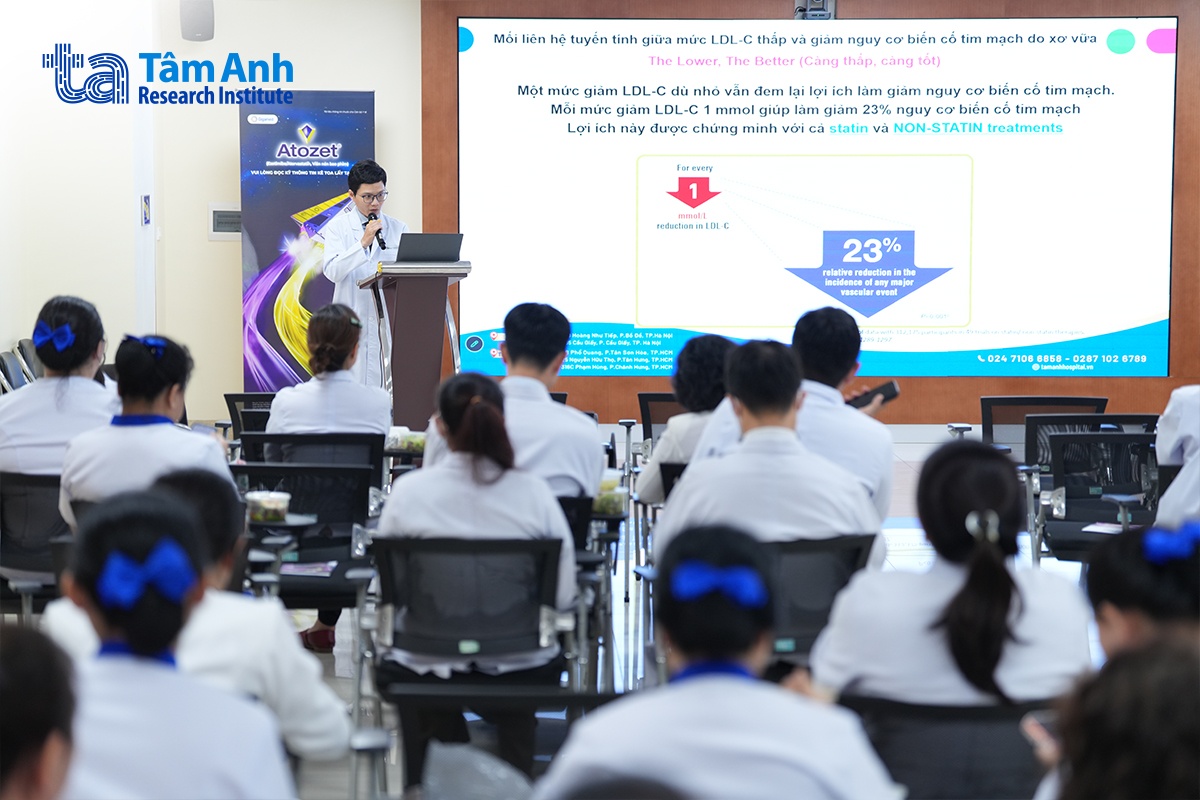
Dr. Nguyen Van Duong delivering his presentation at the scientific symposium.
Under traditional treatment approaches, physicians typically used statin monotherapy and waited 4-6 weeks before considering combination therapy. In contrast, updated recommendations suggest initiating high-intensity statin therapy or combination therapy from the outset in patients at high and very high cardiovascular risk, as high-intensity statin monotherapy enables only around 50% of patients to achieve treatment targets, making early combination therapy necessary to optimize treatment effectiveness.
The combination of a statin and ezetimibe provides a dual mechanism of action, inhibiting cholesterol synthesis in the liver while reducing cholesterol absorption in the intestine. This helps improve LDL-cholesterol control, reduce adverse effects, achieve treatment targets more rapidly in patients at high and very high cardiovascular risk, comprehensively improve lipid parameters, limit cardiovascular events, and reduce mortality.
The specialized scientific symposium “Updates on the diagnosis and treatment of Cardiovascular – Kidney – Metabolic diseases” is part of an ongoing series of scientific activities regularly organized at the Tam Anh Research Institute to update medical knowledge and enhance clinical expertise. Through these activities, Tam Anh General Hospital Group continuously updates medical knowledge based on recommendations from medical societies worldwide and applies it to clinical examination and treatment.