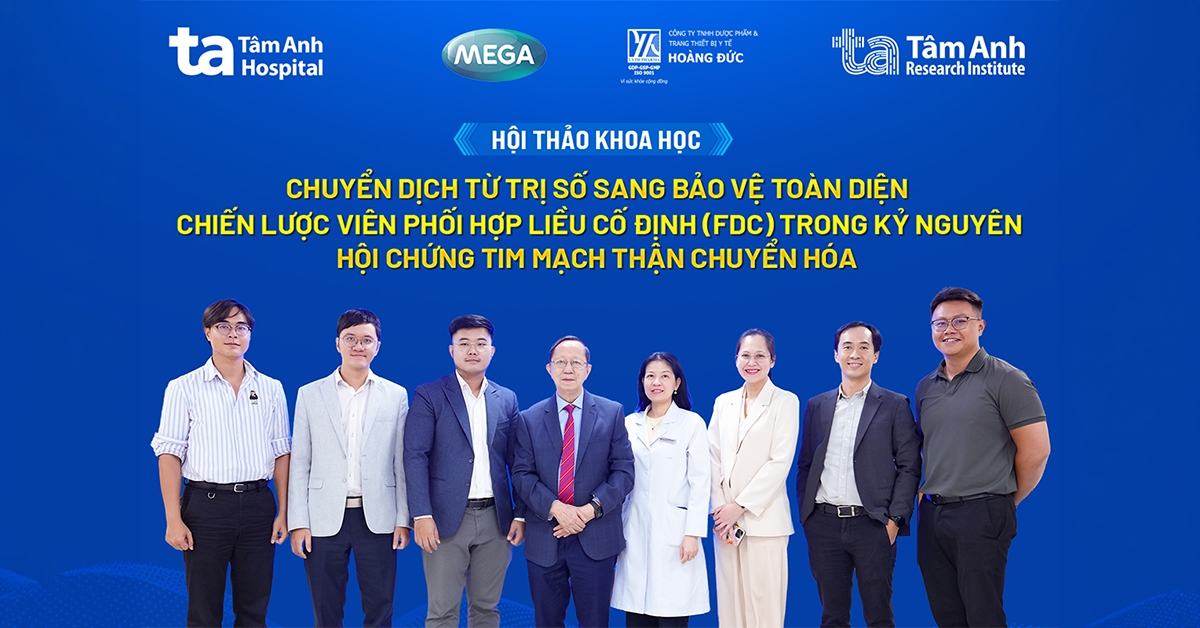
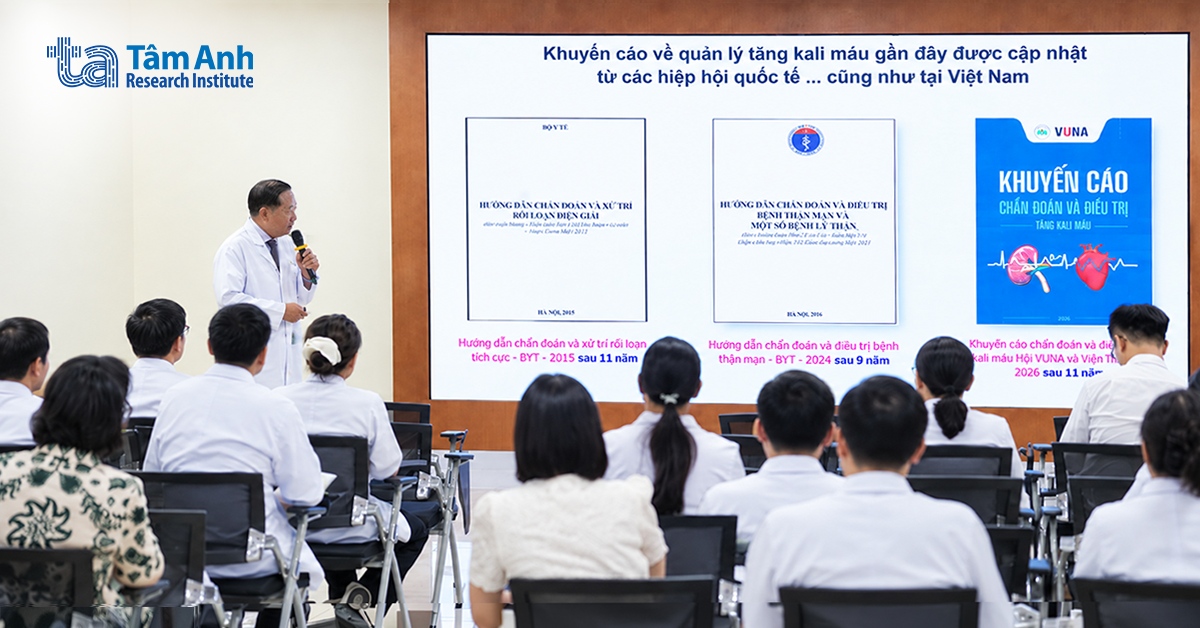
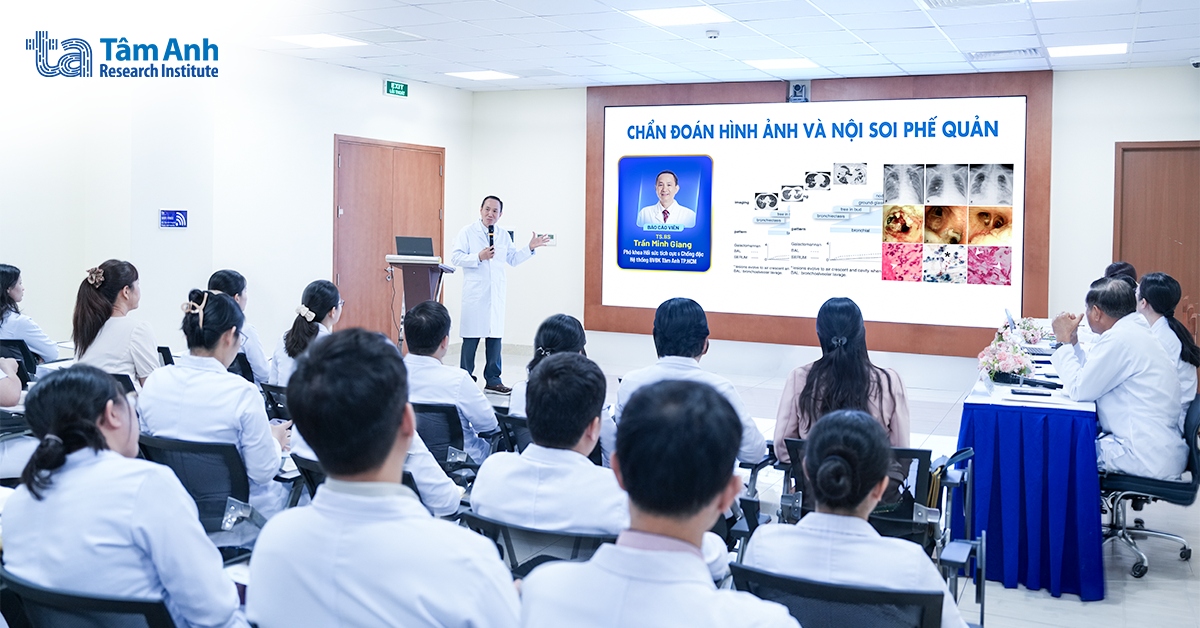
The Tam Anh – Oxford research grant and collaboration program has officially announced three outstanding medical research projects selected to advance to the collaborative research phase with experts from the University of Oxford. This milestone brings together Tam Anh’s strengths in clinical research, its advanced healthcare ecosystem, and extensive real-world clinical data with Oxford’s world-leading scientific expertise and internationally recognized research methodologies, aiming to produce high-impact scientific research with meaningful clinical applications.
Addressing Vietnam’s most pressing health challenges
One of the program’s core selection criteria is to prioritize research that addresses the leading health challenges facing the Vietnamese population. Moving beyond academic theory, the 3 selected projects focus on urgent clinical problems with strong potential for scientific breakthroughs and direct translation into medical practice.

Research projects targeting urgent healthcare challenges with high clinical impact
In the field of assisted reproductive technology, the project “Development of a Population-Specific Prediction Model Incorporating Embryo Morphokinetics for Ongoing Pregnancy in IVF”, led by Giang Huynh Nhu, MD, MSc, from the IVF Research Team at Tam Anh General Hospital, Ho Chi Minh City, addresses the growing and increasingly younger population affected by infertility. The research team applies time-lapse imaging technology to analyze embryo morphokinetics and develop a pregnancy prediction model specifically tailored to the Vietnamese population.

AI-integrated time-lapse embryo culture system at Tam Anh IVF
In chronic disease management, the project “Beyond BMI: Comparative obesity phenotypes, body composition and cardiometabolic risk among patients attending weight management services in Vietnam and Oxford”, led by Tran Quyen An, PhD, from the Center for Weight Management and Obesity Treatment at Tam Anh General Hospital, Hanoi, highlights that conventional BMI measurements do not accurately reflect actual health risks among Asian populations. By directly comparing obesity phenotypes and body composition between patients in Vietnam and Oxford using existing clinical data, the project has been recognized as a low-risk, high-impact pilot study, providing a strong scientific foundation for securing major international medical research grants in the future.
Meanwhile, the study “Vietnamese Population HLA Mapping and Antigen Screening: A Computational Pipeline for Therapeutic Peptide Candidate Discovery”, led by Chu Tan Huy, MD, PhD, Head of the Immunology Research Unit, represents a strategic step forward in next-generation vaccinology. Recognizing that the Vietnamese population possesses distinct genetic and immunological characteristics compared with other populations worldwide, the project aims to establish a Vietnamese-specific HLA map that will provide a fundamental foundation for the development of targeted therapies and personalized mRNA vaccines. By applying computational approaches, the project is designed to be completed within a 12-month timeframe while enabling the Tam Anh Research Institute (TAMRI) to gradually strengthen its independent biotechnology capabilities and enhance Vietnam’s domestic immunology research capacity.
Vietnamese doctors lead the research questions, Oxford experts provide scientific support
In 2025, Tam Anh and the University of Oxford signed a strategic partnership to promote collaboration in medical education, scientific research, and healthcare innovation. The agreement focuses on strengthening scientific research capacity, healthcare management, and the application of innovative solutions to clinical practice in Vietnam, while contributing valuable scientific knowledge to the global medical community.
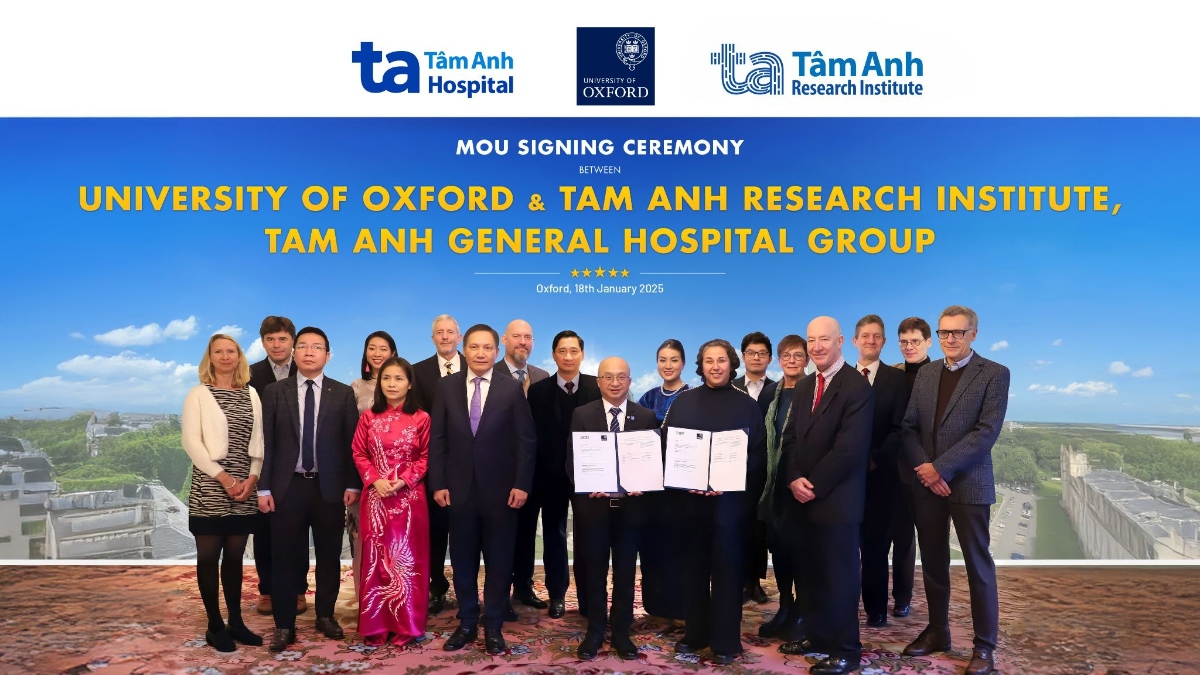
On January 18, 2025, in the United Kingdom, Tam Anh and the University of Oxford signed a Memorandum of Understanding (MOU) on scientific research collaboration and medical education. This marked the University of Oxford’s first bilateral partnership with a research institute within a general hospital group in Vietnam
To realize this strategic commitment, the Tam Anh – Oxford Research Grant and Collaboration Program was established as an initiative that empowers Vietnamese researchers to lead internationally collaborative research.
During the preliminary stage, physicians and scientists at Tam Anh independently identified real-world clinical challenges and developed research proposals. Following evaluation and selection by the Scientific Committee, the successful projects were paired with research partners from the University of Oxford for collaborative implementation.
Serving as Principal Investigators (PIs), Tam Anh physicians retain full leadership and responsibility for directing their research projects, ensuring that each study originates from real clinical challenges in Vietnam. Combined with Oxford’s rigorous research methodology and expert mentorship, these projects are designed not only to meet international scientific standards but also to ensure the highest relevance to the biological characteristics and healthcare needs of Vietnamese patients.
Throughout the approximately 12-month project period, close collaboration with leading experts from the University of Oxford provides Tam Anh clinicians with direct experience in internationally recognized research methodologies and rigorous scientific standards. Beyond producing high-quality scientific publications, this partnership is expected to strengthen Vietnam’s research capacity and serve as a springboard for future large-scale multinational collaborative research projects.
Alongside its scientific value, the program also pursues a long-term mission of strengthening research data infrastructure, enhancing research management capacity, and developing the next generation of healthcare researchers in Vietnam. By enabling young physicians and scientists to gain exposure to advanced medical science, computational technologies, and internationally recognized research practices, the program represents a strategic investment in human capital, building a strong foundation of future research leaders capable of driving international collaborations and contributing to the continued advancement of Vietnam’s healthcare system.