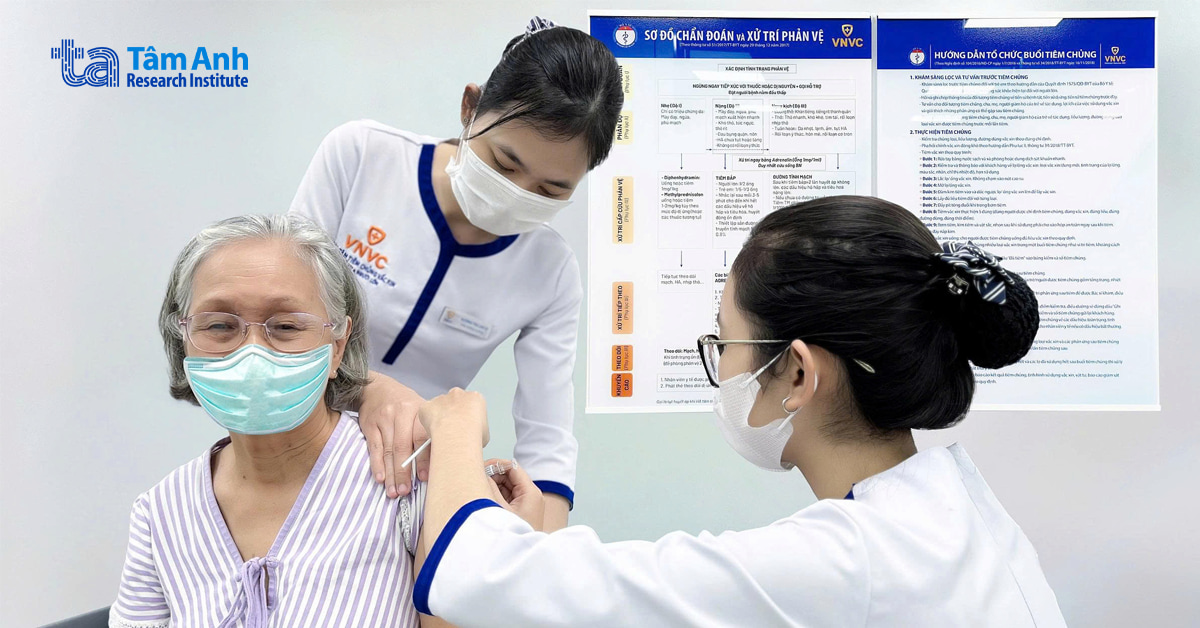

Pneumococcal conjugate vaccines help reduce the prevalence and invasiveness of pneumococcal strains in the community, thereby lowering the incidence of severe illness, reducing the risks of hospitalization, complications, and mortality. This preventive measure is particularly important for diabetes patients, who are at high risk due to compromised immune systems, making them more vulnerable to pneumococcal infections that can progress rapidly and lead to serious complications or even fatal outcomes.
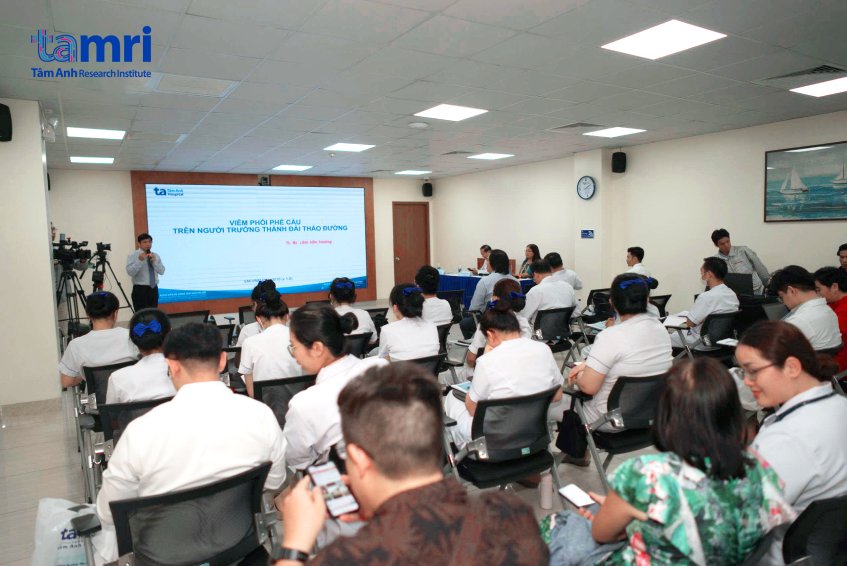
At the scientific seminar “The Role of Prevention in Managing Pneumococcal Infections in Diabetes Patients,” jointly organized by the Tam Anh Research Institute (TAMRI), Tam Anh General Hospital Group, and Pfizer Vietnam Co., Ltd., Associate Professor Dr. Tran Quang Binh — Chief Medical Officer at Tam Anh General Hospital in Ho Chi Minh City, emphasized: “Pneumococcal vaccination is an essential health protection strategy for individuals with underlying conditions, especially diabetes patients.”

The burden of Pneumococcal disease in adults with chronic conditions
Dr. Bach Thi Chinh – Medical Director of the VNVC Vaccination Center System, explained that the risk of pneumonia caused by pneumococcus and other agents increases with age, notably among middle-aged and elderly people. This risk is even higher for those with one or more underlying diseases such as diabetes, cardiovascular disease, chronic lung disease, liver disease, asthma, or among smokers and alcoholics:
- People with 1 underlying condition: risk increases by 2.5 times
- People with 2 underlying conditions: risk increases by 6.2 times
- People with 3 underlying conditions: risk increases by 15.6 times
When infected with pneumococcus, patients with chronic diseases tend to experience more severe illness and hospitalization. High hospitalization rates are seen in groups with emphysema (8.6%), COPD (24.4%), heart disease (5.9%), chronic bronchitis (12.2%), asthma (23%), hypertension (20.1%), and diabetes (9.8%).
The burden of pneumococcal pneumonia in diabetes patients
Dr. Lam Van Hoang, Head of Endocrinology and Diabetes Department at Tam Anh General Hospital in Ho Chi Minh City, stated that currently, about 537 million people worldwide are living with diabetes, and this number is projected to increase to 643 million by 2030. This situation not only leads to enormous costs for treating complications but also creates serious healthcare pressures globally, especially in developing countries like Vietnam, where the number of cases is rising alarmingly, with an estimated 5 million people affected.
Pneumococcal bacteria cause pneumonia in diabetes patients, with typical symptoms including sudden high fever, chills, dry cough, pleuritic chest pain, shortness of breath, and rapid breathing
Diabetes can cause serious complications such as coma from high or low blood sugar and simultaneously increase the risk of infections. Among these, pneumococcal pneumonia is one of the most severe complications, especially against the backdrop of increasing antibiotic resistance in pneumococcal bacteria. This results from a combination of biological and clinical factors that increase the frequency, severity, and complication rates of lower respiratory infections. Specifically:
| Pathophysiological Mechanisms | Burden of Pneumococcal Infections in Diabetic Patients | Clinical Consequences of Pneumococcal Infections in Diabetic Patients |
| Impaired Immune Response |
|
|
| Chronic Inflammation |
|
|
| Antibiotic Resistance | Recurrent infections lead to repeated and prolonged antibiotic use, which inadvertently causes bacteria to develop resistance, making them harder to eliminate, especially pneumococcal bacteria. |
|
| Elevated Blood Sugar |
|
|
| Comorbidities | Many diabetes patients also have additional conditions such as heart or kidney disease, leading to weaker overall health and reduced immunity. | Elevated risk of respiratory failure, septic shock, and death from pneumococcal infections. |
“The risk of complications, hospitalization, and death from pneumococcal pneumonia in diabetes patients increases significantly with longer disease duration and poor blood sugar control,” said Dr. Lam Van Hoang. He cited a study from Portugal involving 74,175 hospitalized community-acquired pneumonia cases (2009 – 2012), which showed a notably higher mortality rate among diabetes patients: 19.9% versus 15.1% at 30 days, and 27% versus 21.6% at 90 days.
Diabetes patients not only have a higher risk of pneumococcal infection but also tend to experience more severe progression and dangerous complications due to weakened immunity, chronic inflammation, antibiotic resistance, high blood sugar, and comorbidities. Tight blood sugar control, active management of underlying diseases, proactive pneumococcal vaccination, and proper antibiotic use are key solutions to reduce disease burden, improve quality of life, and protect patients’ lives.

Dr. Lam Van Hoang emphasizes the preventive role of the pneumococcal vaccine in managing pneumococcal infections in diabetes patients
The value of Pneumococcal vaccination for diabetes patients
Dr. Bach Thi Chinh explained that pneumococcus has many serotypes, each with different virulence and disease-causing potential. The bacteria commonly reside in the throat and can infect anyone, but older adults and those with underlying conditions, especially diabetes (accounting for 9.8% of the mentioned comorbid cases), are at higher risk of severe disease.
“Vaccination is a safe and effective preventive measure against pneumococcal infections for both children and adults, especially the elderly and high-risk groups such as diabetes patients,” emphasized Dr. Chinh.
The effectiveness of pneumococcal vaccines in preventing community-acquired pneumonia and invasive pneumococcal disease:
- A study of 84,496 people aged 65 and over (42.3% with at least one chronic condition) showed that the 13-valent pneumococcal conjugate vaccine (PCV13) reduced the risk of pneumonia caused by vaccine-covered serotypes by 46%, reduced the risk of pneumonia without bacteremia by 45%, and lowered the risk of invasive diseases such as meningitis and bacteremia by 75%.
- Another US study on 2,034 elderly patients with chronic conditions (35% aged 80 or older; 46% immunocompromised; 53% with COPD; 35% coronary artery disease; 32% chronic heart failure; 32% diabetes) found that PCV13 reduced hospitalizations due to vaccine-serotype pneumonia by 73% and reduced pneumonia without bacteremia by 70%.
Associate Professor Dr. Tran Quang Binh emphasized: “Alongside promoting pneumococcal vaccination for adults, those aged 65 and above, and high-risk groups like diabetes patients, healthcare professionals need to combine efforts in managing underlying diseases and timely medical interventions to optimize public health benefits.”
Thus, PCV13 provides clear protective benefits, especially for the elderly, people with chronic illnesses, and notably diabetes patients.

Dr. Bach Thi Chinh emphasized that robust real-world evidence shows PCV13 vaccination provides significant benefits for older adults and those with chronic illnesses
Tam Anh Research Institute
- Ha Noi:
- 108 Hoang Nhu Tiep, Bo De Ward, Ha Noi
- Hotline: 024 3872 3872 – 024 7106 6858
- TP.HCM:
- 2B Pho Quang Street, Ward Tan Son Hoa, Ho Chi Minh City
- Hotline: 093 180 6858 – 0287 102 6789
- Fanpage: https://www.facebook.com/ViennghiencuuTamAnh.TAMRI
- Website: tamri.vn