
Meningococcal disease progresses rapidly and is highly dangerous, with a mortality rate of 25-55% within 24 hours. Even with timely treatment, 7-19% of patients do not survive, and about 20% of survivors face lifelong neurological or motor disabilities.
To address this burden, Vietnam aims to reduce meningococcal mortality by 70% by 2030. This goal underscores the critical need for increased awareness and widespread vaccination as proactive and effective preventive measures. These insights were shared at the scientific symposium “Challenges and Updates in Preventing Meningococcal Disease in Children,” organized by the Tam Anh Medical Research Institute (TAMRI) in collaboration with Pfizer Vietnam on June 19, 2025.

Global Burden of Meningococcal Disease
At the symposium, Dr. Nguyen An Nghia, Deputy Head of the Infectious Diseases and Neurology Department at Children’s Hospital 1, explained that meningococcus bacteria spreads through respiratory droplets, residing in the nasopharynx and transmitted via saliva or direct contact, especially within a two-meter radius.
Through a mechanism of ‘penetrating’ cells, meningococcus bacteria can cause highly dangerous invasive infections, such as septicemia and meningitis, without destroying or proliferating in the blood. These conditions progress rapidly and can be fatal within 24 hours. Characteristic symptoms include severe vomiting, stiff neck, photophobia, and star-shaped purpura, though early stages may be mistaken for a common cold or flu.
Meningococcal meningitis is not only life-threatening but also imposes a significant economic burden. A 2001-2015 study in Germany estimated treatment costs per child at €57,000-171,000 (approximately VND 1-4.5 billion at 2025 exchange rates). This creates significant medical, emotional, and financial strain on families.
The World Health Organization (WHO) reports approximately 1.2 million annual cases and 135,000 deaths from meningococcal disease.

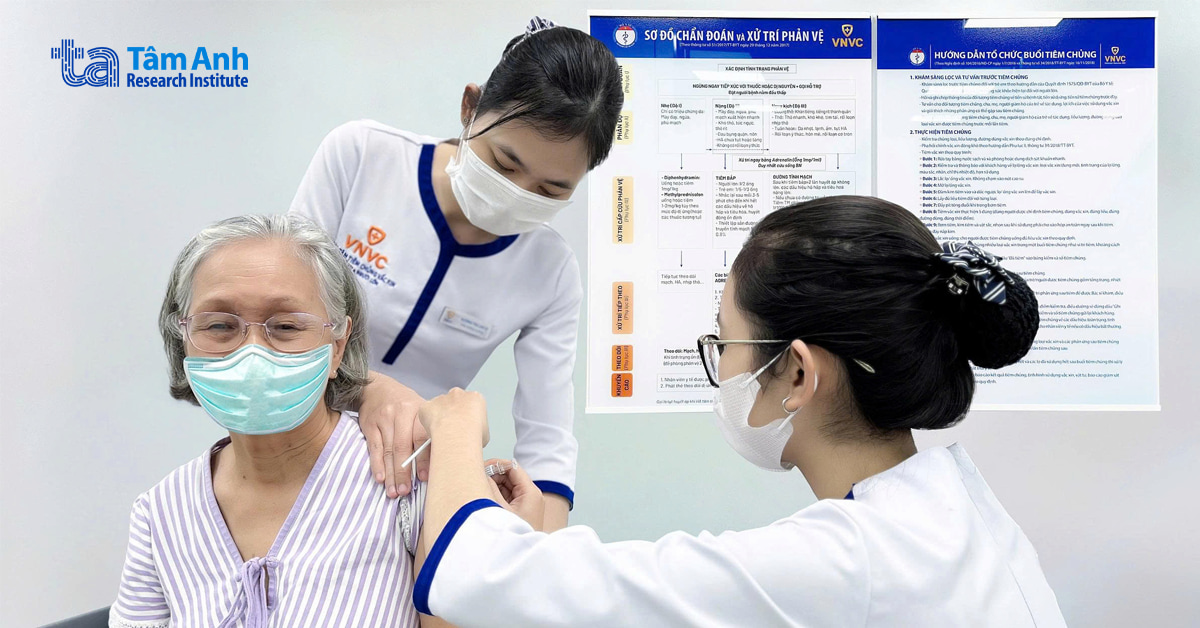
The scientific symposium brought together medical experts from the VNVC Vaccination and Tam Anh General Hospital to share the latest knowledge and practical applications for protecting public health against meningococcal disease.
Meningococcal Disease Burden in Vietnam
While Vietnam does not experience large cyclical outbreaks, sporadic cases occur, peaking from September to November, primarily in the northern and southern regions, with mortality rates ranging from 8 – 15%. Historical outbreaks include over 1,000 cases in 1977 (serogroup C) and cases in 1993 (serogroup A).
The incidence rate in Vietnam is about 2.3 per 100,000 people, with dozens of new cases annually. Meningococcal disease is among the top six infectious diseases with high mortality in the country, at approximately 0.03 per 100,000.
Dr. An Nghia noted that children, adolescents, and immunocompromised individuals are at highest risk of meningococcal disease. Infants aged two months to five years, especially those under six months, are vulnerable due to underdeveloped immune systems, with the highest incidence between five and eight months. Adolescents (15-24 years) are at increased risk due to crowded living conditions and behaviors such as smoking or sharing drinks. Individuals with conditions such as asplenia, complement deficiency, or HIV, or those receiving immunosuppressive drugs, also require enhanced vaccination and monitoring efforts.
Challenges in Preventing Meningococcal Disease
A major challenge for global health authorities is the evolving epidemiology of meningococcus. Previously dominated by two serogroups, there is now a rise in menACWY strains, with new variants emerging.
In Vietnam, serogroup identification remains challenging, while globally, serogroups A, B, C, W, and Y account for 85% of cases. Despite a low incidence, risks persist, particularly due to shifting bacterial strains and post-Covid-19 immunity gaps that need addressing.
International research and experience confirm meningococcal vaccination as the most effective prevention method. Some African countries have used serogroup-specific vaccines, such as MenA and MenACWY, to control outbreaks. Vietnam must strengthen epidemiological surveillance, raise community awareness of the risks of meningococcal disease, and promote meningococcal vaccination.
Dr. An Nghia emphasized: “The global commitment to reducing meningococcal disease mortality by 70% by 2030 is not only a shared goal but also Vietnam’s responsibility. Enhancing vaccination and surveillance efforts and improving understanding of this dangerous disease will protect public health, reduce economic and medical burdens, and move toward a future without meningococcal deaths”.

With only five years remaining, Vietnam is intensifying efforts to safeguard communities from meningococcal diseases by 2030.
Understanding and Preventing Meningococcal Disease Effectively
According to Associate Professor Dr. Cao Huu Nghia, Head of the Biomedical Science Department at the Pasteur Institute in Ho Chi Minh City, since 2011, experts have aimed to mitigate the impact of meningococcal disease through five key pillars
| Rapid diagnosis | Enhanced community surveillance | Increased public awareness | Promotion of vaccination | Expanded vaccine coverage |
Vaccination and boosting immunization rates within communities are the most effective strategies for preventing, controlling, and ultimately eliminating meningococcal disease. With the support of next-generation vaccines, the medical community anticipates significantly reducing disease incidence and long-term complications by 2030, paving the way for effective nationwide control.
Studies in the Netherlands and Chile have demonstrated the superior efficacy of the MenACWY conjugate vaccine, reducing cases related to MenW and MenY serogroups by up to 92%. Notably, this vaccine also generates herd immunity, indirectly protecting unvaccinated individuals by limiting transmission and preventing outbreaks.
Trends in Multivalent Vaccines for Comprehensive Meningococcal Serogroup Coverage
The development of multivalent conjugate vaccines, particularly for menACWY serogroups, is gaining global momentum. In Vietnam, meningococcal vaccination currently focuses on infants and adolescents. However, experts emphasize that expanding vaccination to include older adults, individuals with underlying health conditions, and coverage for multiple serogroups will play a critical role in curbing disease spread and future outbreaks.
Chile serves as a prime example, having implemented the MenACWY vaccine since 2014 and recording a significant decline in cases linked to MenC, MenW, and MenY serogroups. THIS SUCCESS PROVIDES A MODEL FOR COUNTRIES, INCLUDING VIETNAM, TO ENHANCE VACCINATION PROGRAMS, ESPECIALLY FOR CHILDREN, THE MOST VULNERABLE GROUP.
A significant breakthrough in vaccine technology is underway, with traditional carriers like diphtheria toxoid (TD) or CRM197 protein being replaced by tetanus toxoid (TT). This advancement, exemplified by the MenACWY-TT vaccine, a quadrivalent meningococcal vaccine produced using polysaccharide conjugation with tetanus toxoid protein, offers superior protection for public health.
Tetanus toxoid, an inactivated protein with a long history of safe use in conjugate vaccines, plays a key role in:
- By stimulating immune responses through T-cell-dependent mechanisms, the vaccine elicits a stronger and more effective immune response against the polysaccharide antigens of Neisseria meningitidis.
- Strongly activating T-cells to enhance B-cell immune activity.
- This vaccine confers stronger and longer-lasting immunological memory compared to previous meningococcal vaccines.
⇒ Several critical elements contribute to the optimal protective efficacy of conjugate vaccines, such as the MenACWY meningococcal vaccine, ensuring robust and lasting immunity against meningococcal disease.
The Future of Comprehensive Meningococcal Disease Prevention with Advanced MenACWY Vaccines
Dr. Cao Huu Nghia highlighted clinical research on the advanced MenACWY-TT vaccine, which utilizes tetanus toxoid protein technology. This vaccine demonstrates stronger immunogenicity compared to those using diphtheria toxoid (TD) or CRM197 protein. For instance, the MenACWY-TT vaccine, incorporating tetanus toxoid, elicits a superior T-cell immune response in middle-aged adults. In pediatric studies, it also outperforms the MenACWY-CRM197 vaccine by generating enhanced immunological memory. This underscores the tetanus toxoid’s effectiveness in priming T-cells and sustaining long-term protection.
Clinical data shows that the MenACWY-TT vaccine delivers exceptional immunogenicity. One month post-vaccination, 89.7% of children exhibit high antibody titers, with protective efficacy lasting up to 10 years when booster doses are administered as recommended. Notably, the vaccine provides effective immune responses against all four disease-causing serogroups (MenA, MenC, MenW, MenY), even in vulnerable populations such as infants, adolescents, older adults, and individuals with underlying conditions.
Beyond its protective efficacy, the MenACWY-TT vaccine is proven to be highly safe. Common reactions in infants include mild irritability or drowsiness, with no serious adverse effects reported post-vaccination.
With its strong safety profile, potent immune stimulation, and outstanding ability to generate long-term immunological memory, the integration of tetanus toxoid in vaccines like MenACWY enhances protection and opens new possibilities for better control of dangerous infectious diseases, particularly for children, adolescents, and adults.

Associate Professor Dr. Cao Huu Nghia, Head of the Biomedical Science Department at the Pasteur Institute in HCMC, presented on the immunogenicity and safety of the advanced MenACWY-TT vaccine during the symposium held on June 19, 2025.
Proactive Prevention to Safeguard Children’s Future and Accelerate Meningococcal Disease Control by 2030
At the conclusion of the scientific symposium “Challenges and Updates in Preventing Meningococcal Disease in Children,” Dr. Bach Thi Chinh, Medical Director of the VNVC Vaccination, emphasized that meningococcal disease is highly dangerous but preventable through timely and complete vaccination, ideally administered as early as possible according to recommended schedules. Given the diversity of serogroups, conjugate vaccines offer the most comprehensive solution to proactively protect children and communities from the risk of infection.
“Addressing post-Covid-19 immunity gaps, enhancing community surveillance, promoting vaccination, and expanding vaccine coverage are critical pillars in the fight against meningococcal disease in Vietnam and globally, with the goal of safeguarding public health by 2030,” Dr. Chinh stated.
Tam Anh Research Institute
- Ha Noi:
- 108 Hoang Nhu Tiep, Bo De Ward, Ha Noi
- Hotline: 024 3872 3872 – 024 7106 6858
- TP.HCM:
- 2B Pho Quang Street, Ward Tan Son Hoa, Ho Chi Minh City
- Hotline: 093 180 6858 – 0287 102 6789
- Fanpage: https://www.facebook.com/ViennghiencuuTamAnh.TAMRI
- Website: tamri.vn