Invasive filamentous fungal infections are among the leading causes of mortality in critically ill, high-risk patients. The disease progresses rapidly and is difficult to diagnose due to non-specific clinical manifestations. According to experts from Tam Anh General Hospital Group, combining multidisciplinary expertise with imaging, microbiological testing, and advanced diagnostic techniques can improve early detection and support the selection of appropriate and safe treatment strategies for patients.
This information was shared by experts at the scientific seminar “Multidisciplinary collaboration in the management of invasive filamentous fungal infections in high-risk patients,” held at Tam Anh Research Institute, Tam Anh General Hospital Group, at noon on August 26, 2026.
Invasive filamentous fungal infection occurs when filamentous fungi, most commonly Aspergillus, invade and grow in tissues or blood vessels, causing organ damage and potentially life-threatening complications. The disease primarily affects people with weakened immune systems, including patients with hematologic malignancies, organ or hematopoietic stem cell transplant recipients, those with prolonged neutropenia, and individuals receiving high-dose corticosteroids or immunosuppressive medications. Once inside the body, fungal spores can develop into hyphae, damaging tissues and blood vessels and causing inflammation, necrosis, or dissemination to multiple organs. The disease progresses rapidly and has a high mortality rate when diagnosis and treatment are delayed.
Invasive filamentous fungal infections are among the most complex and rapidly progressive infections and can be life-threatening, particularly in immunocompromised individuals. According to the 2024 report “Global incidence and mortality of severe fungal disease,” approximately 2.1 million people worldwide develop severe fungal diseases each year, with about 1.8 million deaths. Therefore, multidisciplinary collaboration not only facilitates coordinated treatment but also shortens the time to diagnosis and treatment, providing greater opportunities for patients.
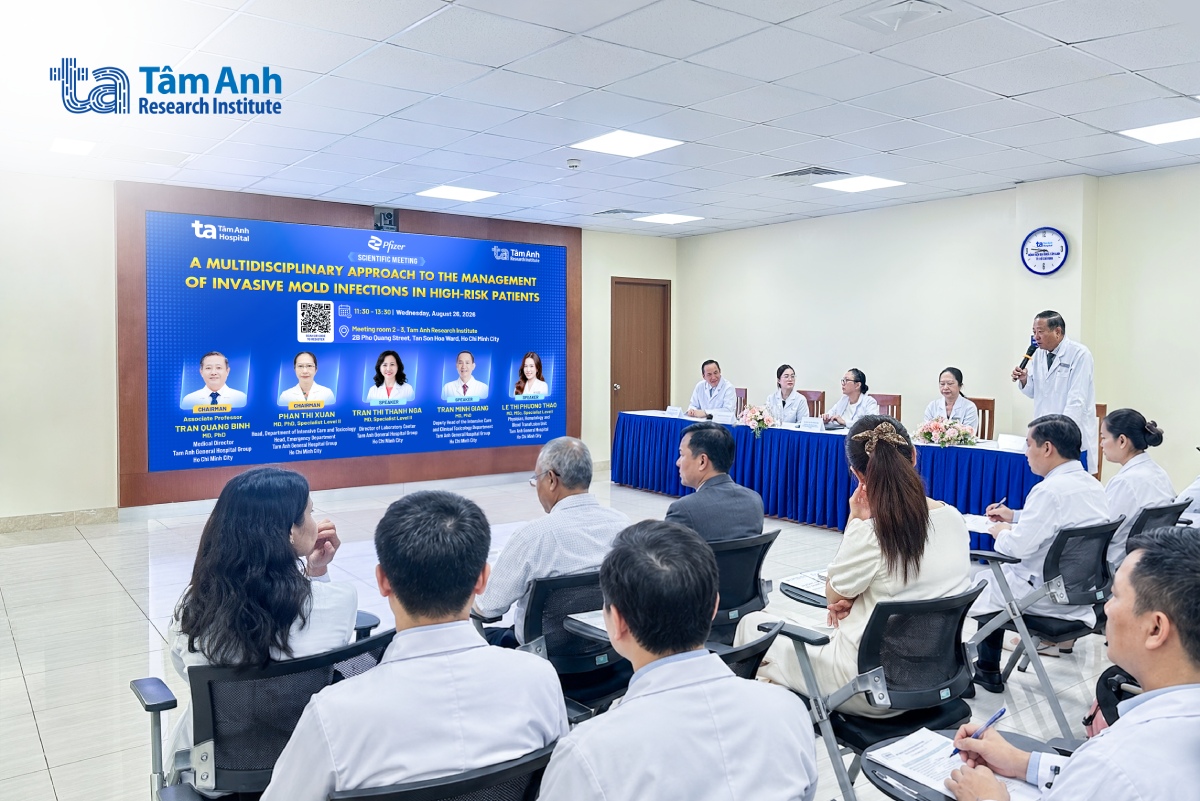
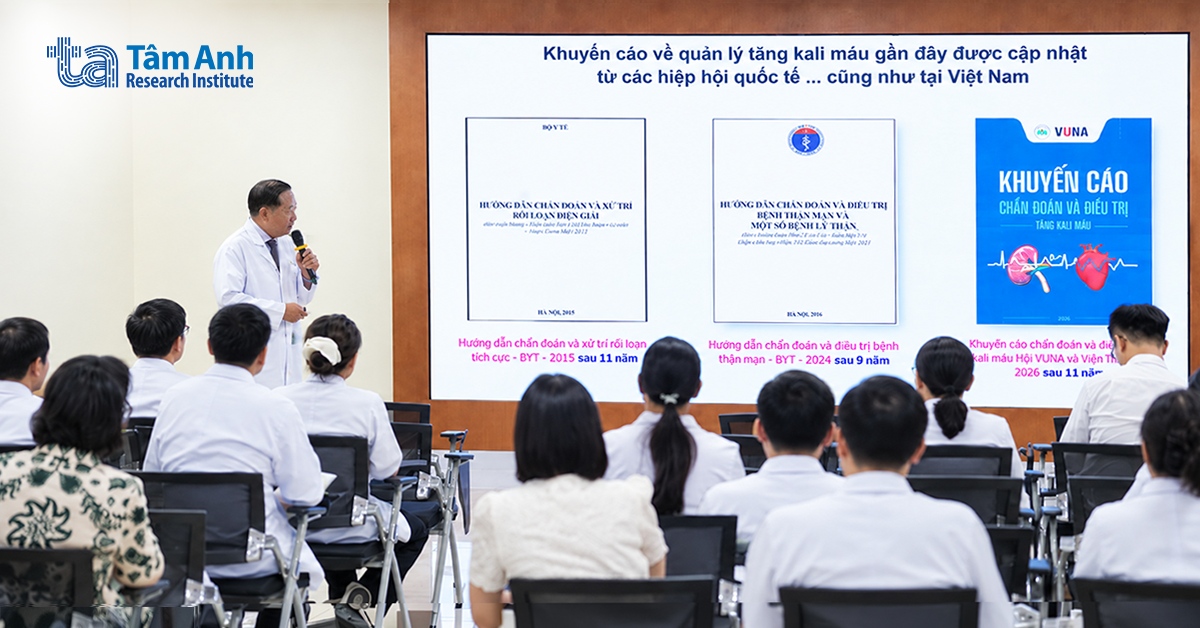
Assoc. Prof. Tran Quang Binh, MD, PhD, delivers the opening remarks at the scientific seminar “Multidisciplinary collaboration in the management of invasive filamentous fungal infections in high-risk patients.”
Speaking as the chair of the seminar, Assoc. Prof. Tran Quang Binh, MD, PhD, Medical Director of Tam Anh General Hospital Group in Ho Chi Minh City (HCMC), emphasized the role of multidisciplinary collaboration at Tam Anh General Hospital in guiding the treatment of invasive filamentous fungal infections.
“Among filamentous fungal infections, Aspergillus fumigatus is the most common. In the past, diagnosis and treatment were challenging. Blood cultures rarely detected fungal infections and typically yielded positive results only in patients with endocarditis, where conditions were favorable for fungi to grow on heart valves. However, by the time the fungi were detected, the patients had often already died.
Today, Tam Anh General Hospital is equipped with modern diagnostic tools, including diagnostic imaging and high-resolution computed tomography (HRCT), to support diagnosis, in combination with microbiological and advanced specialized tests. However, accurate identification still requires experienced clinicians,” Assoc. Prof. Binh said.
Dr. Tran Thi Thanh Nga, MD, Director of the Laboratory Center at Tam Anh General Hospital Group in HCMC, said that invasive Aspergillus infection is a major challenge, not only among hematology patients but also increasingly among intensive care patients, people with chronic respiratory diseases, and those with other complex underlying conditions. At the Laboratory Center of Tam Anh General Hospital in HCMC, techniques such as microbiological culture, antigen testing, galactomannan (GM), and Aspergillus PCR play important roles in supporting the diagnosis of invasive filamentous fungal infections.
However, test results need to be evaluated comprehensively rather than relying on a single test. In particular, results must be interpreted cautiously within the overall clinical and epidemiological context of each patient to minimize the risk of false-positive results.
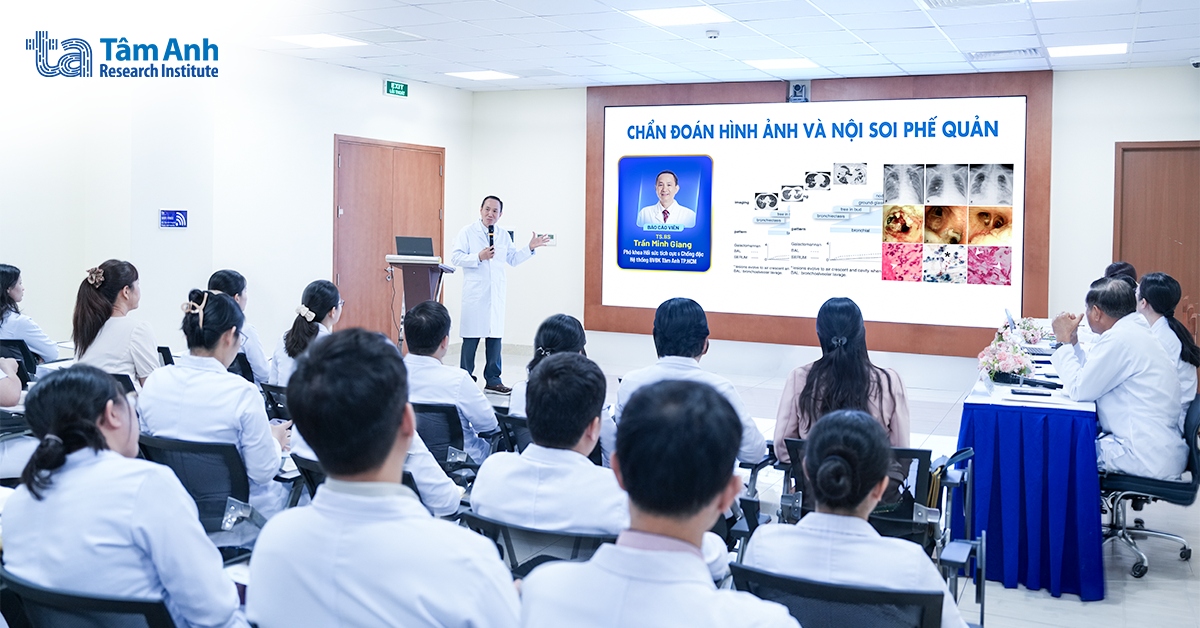
Dr. Tran Minh Giang, MD, PhD, Deputy Head of the Intensive Care and Clinical Toxicology at Tam Anh General Hospital in HCMC, shared insights into the challenges of treating invasive Aspergillus infections. Dr. Giang noted that the mortality rate among intensive care patients can exceed 95%.
Non-specific signs, atypical imaging findings, and limitations in diagnostic testing are barriers that can lead to delays in diagnosis and treatment, thereby increasing the risk of mortality. High-risk patients include those with severe respiratory viral infections, those receiving high-dose corticosteroids, people with chronic lung diseases, or individuals with systemic immunodeficiency, prolonged critical illness, or severe underlying conditions such as diabetes, renal failure, or severe autoimmune diseases.
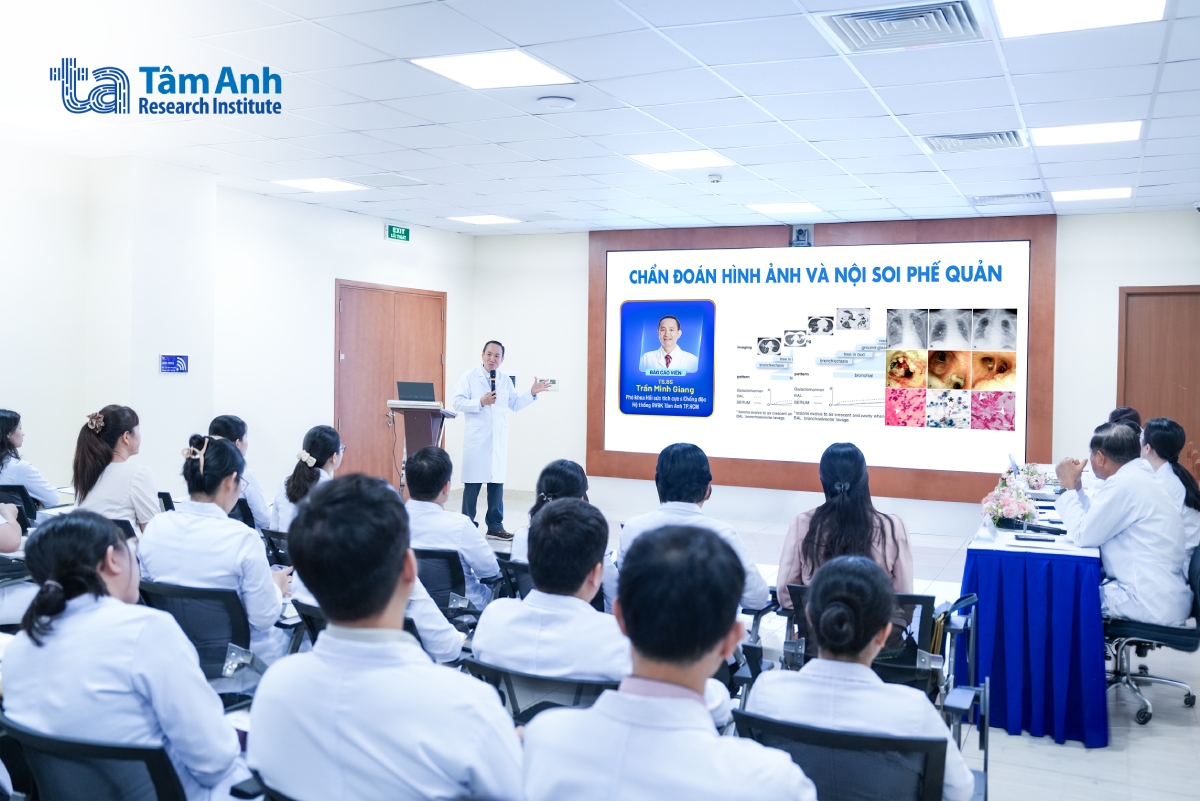
Dr. Giang shared his experience in treating invasive Aspergillus infections in the Intensive Care and Clinical Toxicology Department.
In light of these challenges, Tran Minh Giang, MD, PhD, emphasized that the diagnostic and treatment strategy for invasive filamentous fungal infections in the Department of Intensive Care and Clinical Toxicology requires coordination among clinical care, pathology, microbiology, and imaging. The management of invasive Aspergillus infections should prioritize identifying immunocompromised, high-risk patients and guiding early treatment using HRCT, endoscopy, BAL culture, and GM testing. At the same time, antifungal therapy with voriconazole should be individualized, with therapeutic drug monitoring to minimize the risk of drug interactions.
Dr. Le Thi Phuong Thao, MD, MSc, from the Hematology and Blood Transfusion Unit at Tam Anh General Hospital in HCMC, analyzed the practical approach to diagnosing and treating invasive Aspergillus infections in hematology patients. The infection commonly occurs in immunocompromised individuals, including those with neutropenia, patients following stem cell transplantation, and those receiving prolonged corticosteroid therapy. The disease can progress rapidly and severely, with mortality rates reaching 90 – 95%.
Regarding diagnosis and treatment, Dr. Thao said that biological tests such as GM, BDG, and PCR should be combined with imaging. Early detection and treatment can significantly improve treatment outcomes. At the same time, drug interactions must be carefully considered. The choice of antifungal medication should be based on the underlying disease, risk factors, stage of treatment, potential drug interactions, and adverse effects.
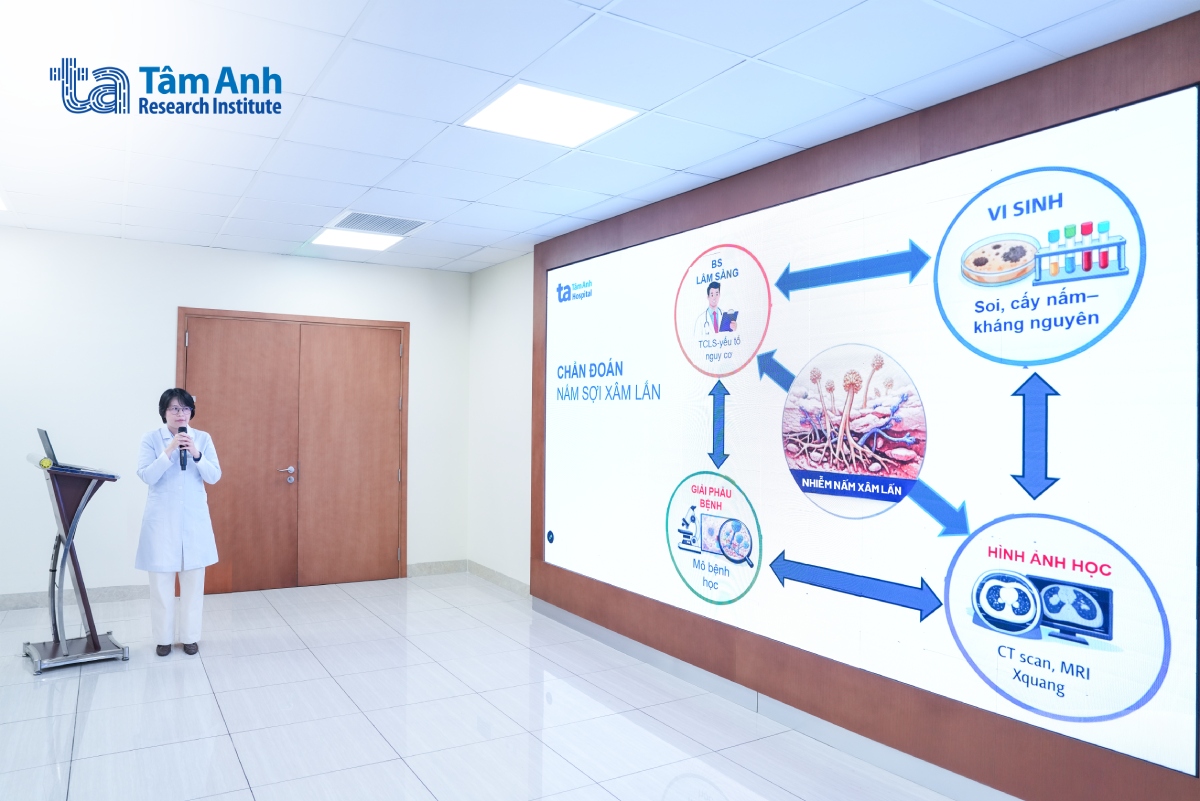
Dr. Nguyen Luong Nha Phuong presents on the treatment of invasive Aspergillus infections at the Laboratory Center of Tam Anh General Hospital in HCMC.
Following the three presentations and discussion, the experts agreed that multidisciplinary collaboration, the application of modern medical technology, and practical clinical experience are key factors in improving treatment effectiveness and providing greater opportunities for patients.